Key Takeaways
This guide helps residents find reliable salvage services and highlights the financial and environmental benefits of recycling vehicle components.
- Locating a reputable wrecker involves verifying professional credentials and checking active community reviews.
- Choosing recycled parts often results in significant cost savings compared to purchasing brand-new manufacturer alternatives.
- Environmental sustainability improves when high-quality salvaged components are reused rather than discarded.
- Understanding warranty policies and part compatibility protects your investment when buying from salvaged stock.
- Preparing your older vehicle for sale allows wreckers to provide accurate valuation based on remaining hardware.
Finding reputable Volkswagen Golf wreckers in Newcastle
Locating a reliable recycler requires a bit of research, as the quality of service can vary significantly across different facilities. When searching for Volkswagen Golf wreckers Newcastle, you should look for operations that demonstrate professional conduct and transparency. Taking the time to filter out disorganized yards ensures you receive support from experienced staff who truly understand the intricacies of German automotive engineering.
Identifying trustworthy salvage yards
Identifying a professional operation often starts with how they manage their physical space. A well-organized salvage yard usually keeps its inventory indexed, which demonstrates a high level of care for the components they sell. You can trust yards that keep their stock clean and dry, as this level of maintenance reduces the risk of long-term degradation from exposure to harsh weather conditions.
Checking industry certifications and licenses
Legitimate wrecking businesses typically display their industry credentials prominently, showing they adhere to safety and environmental standards. Always ask if the business holds valid automotive recycling licenses, which indicates they comply with local regulations regarding fluid disposal and car dismantling. This documentation is a primary indicator of a facility that respects the legal requirements for handling damaged Volkswagen vehicles.
Evaluating customer reputation and online reviews
Customer feedback is a valuable resource for gauging the reliability of a parts provider in the Newcastle region. Look for recurring themes in reviews that specifically mention clear communication, accurate part identification, and reasonable after-sale support. While individual experiences can vary, a consistent trend in positive feedback suggests that the company values its reputation and works to satisfy local drivers.
Benefits of sourcing used Volkswagen parts versus new
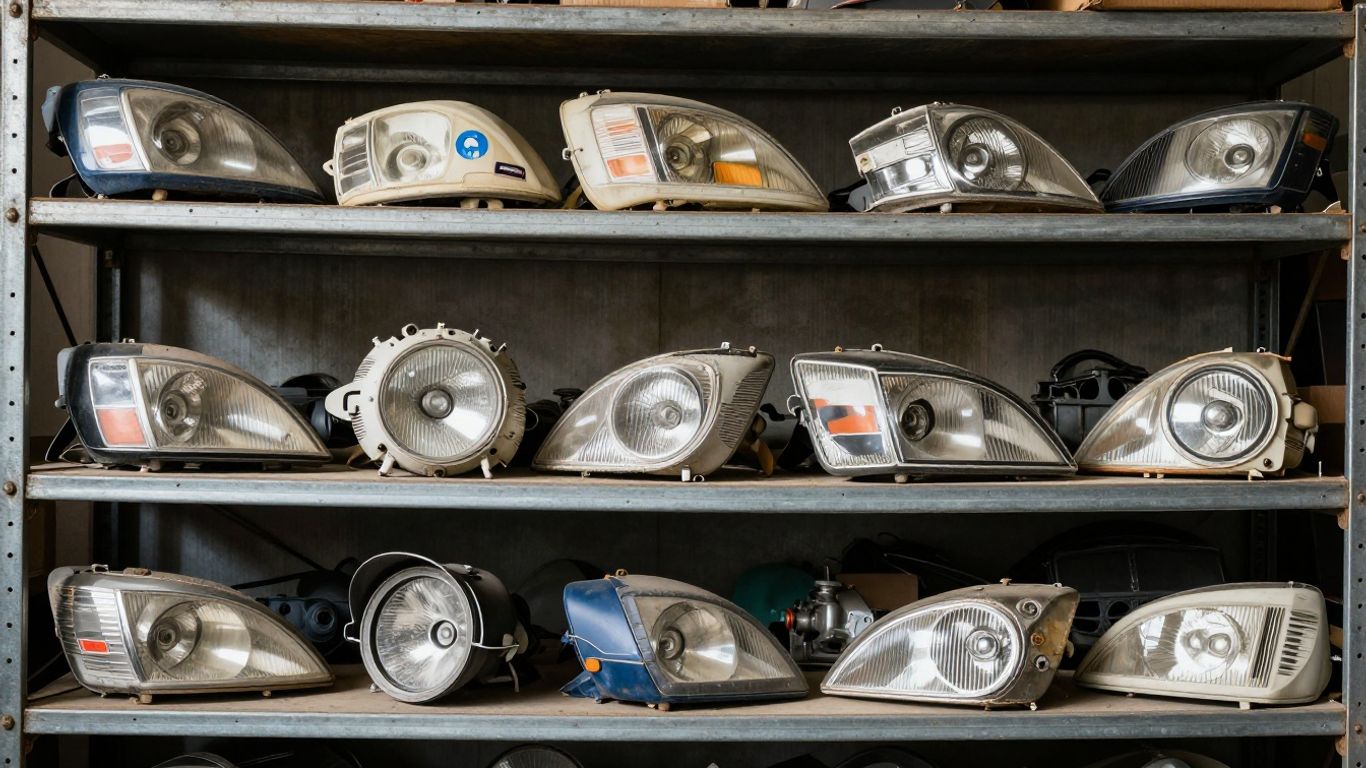
Many owners eventually find that sourcing pre-owned components is the most sensible path for maintaining older vehicles on a budget. By opting for recycled inventory, you can keep your car running without significant financial stress while supporting a circular economy that prioritizes reuse. Integrating these components into your repair plan often provides a practical alternative to the high premiums sometimes associated with official dealership catalogs.
Comparing affordability and cost-effectiveness
When comparing aftermarket or recycled parts to new manufacturer components, the price difference for major mechanical assemblies can be substantial. For example, local services like Just Volks often provide affordable recycled options that allow owners to restore functionality for a fraction of the cost found elsewhere. The following table showcases typical savings when choosing used parts over brand-new alternatives for common repair tasks.
| Part Category | New Component Price | Recycled Component Avg | Estimated Savings |
|---|---|---|---|
| Alternator | $650 | $220 | $430 |
| Gearbox Assembly | $2,800 | $950 | $1,850 |
| Side Door Panel | $900 | $350 | $550 |
These price differences demonstrate that owners can maintain their vehicle’s performance goals while keeping their total repair expenses strictly aligned with their personal budget.
Assessing the sustainable advantages of recycling
Choosing recycled parts is a direct way to reduce the environmental impact associated with the manufacturing, processing, and shipping of brand-new car components. By keeping existing metal and plastic in use, we extend the lifecycle of energy already invested in production. The ecological benefit of this practice, often highlighted by organizations like Hytech Parts Plus, proves that repairing cars can be as gentle on the planet as it is on your bank account.
Salvaging functional components from end-of-life vehicles represents a significant victory for environmental conservation. By prioritizing the reuse of existing materials, we effectively minimize the extraction of raw resources and lower the industrial carbon footprint associated with producing replacement items from scratch.
This simple choice helps preserve natural resources and contributes to a regional commitment to reducing landfill waste in Newcastle.
Availability of discontinued or hard-to-find components
As vehicle models age, sourcing specific parts through traditional retail channels often becomes difficult due to limited production runs from original equipment manufacturers. Salvage yards act as a vital library for these out-of-production items, offering access to hardware that simply does not exist on standard shelves anymore. This availability is often the only way to successfully complete a restoration or a complex repair on an older Volkswagen Golf.
Assessing part quality before you buy
Quality assurance is the final step in securing a reliable part, so never skip a physical inspection if you are visiting a yard in person. Knowing exactly what to look for allows you to avoid components that have been compromised by high mileage or improper storage. A proactive approach to checking these items saves time and prevents the frustration of needing to repeat repairs shortly after installation.
Inspecting used components for wear and tear
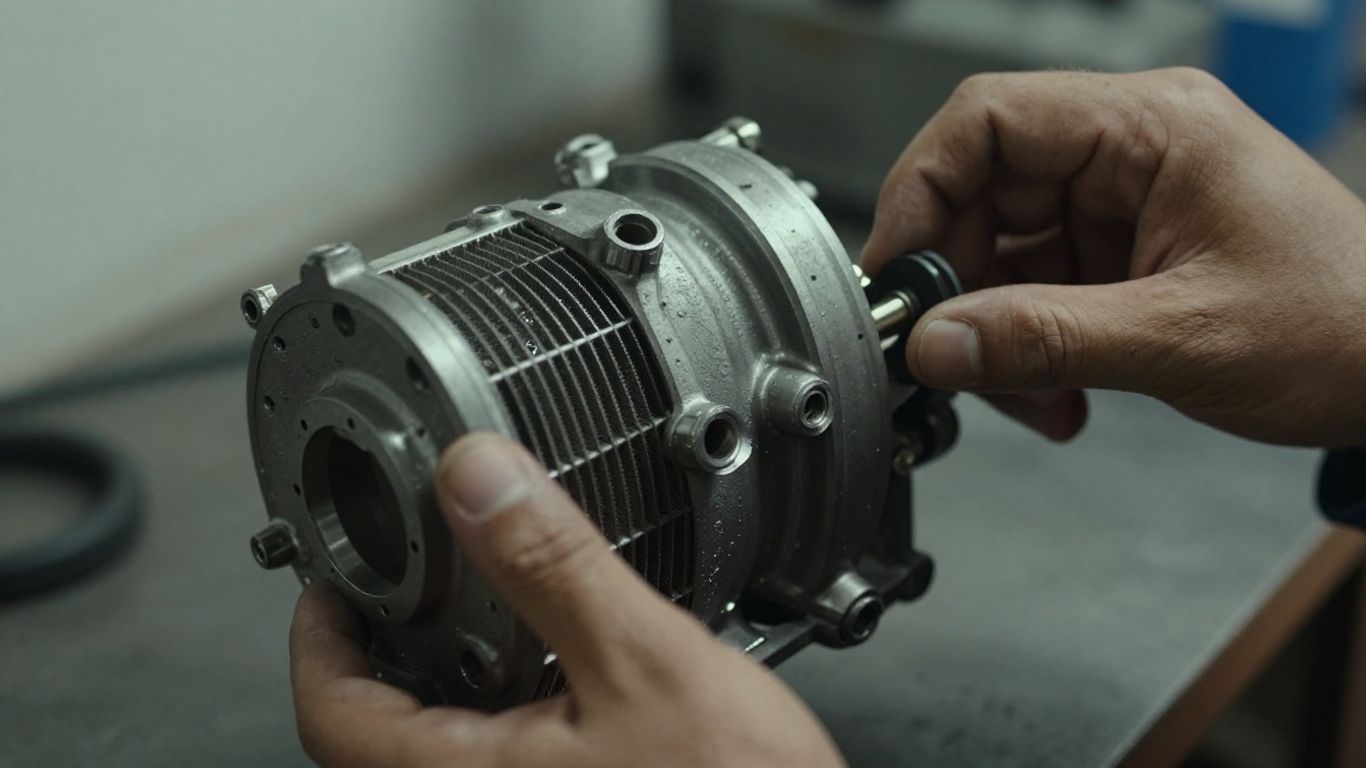
Before finalizing a purchase, examine the hardware for signs of oxidation, excessive slack in moving joints, or cracks in synthetic housings. High-wear items like ignition coils or water pumps should show clear evidence of maintenance before they are considered candidates for your vehicle. Taking a moment to wipe away surface grime often helps you spot hairline fractures that might lead to failure once the part is installed.
Understanding salvage yard warranty policies
Most reputable recyclers offer some form of warranty period on their parts, which provides a necessary layer of protection for buyers. You must clarify these terms before paying, as policies can vary depending on whether the part is a simple exterior trim piece or a complex electronic module. A clear agreement on return conditions ensures you aren’t stuck with an incompatible part should your initial assessment prove incorrect.
Tips for verifying parts compatibility with your specific model
Volkswagen vehicles often use specific engine codes and part numbers to distinguish between production years and regional trims. Always match the part number from your current failing unit to the one sitting in the wrecker’s inventory to ensure a perfect fit. Using the manufacturer’s identification codes removes the guesswork and drastically increases the chance of having a seamless installation process at home.
Getting the best cash offer for your wrecked Volkswagen Golf
If your car has reached its end of life, selling it to a professional wrecker is often the most lucrative way to clear space and recoup value. These experts base their purchase offers on the potential to harvest reusable components, making your car a collection of valuable assets rather than a piece of scrap metal. By understanding their valuation process, you position yourself to secure a fair price for your vehicle’s remaining worth.
Preparing your vehicle for assessment
Organizing your vehicle’s documentation and removing all personal items makes the assessment process much smoother for the buyer. If you have service records or logs of recent repairs, providing these can sometimes highlight that certain key mechanical components within your vehicle are in excellent condition. A clean car that is ready for handover signals that you are a serious seller, which often leads to a more professional transaction.
Understanding how wreckers valuate damaged vehicles
Professional wreckers evaluate your car by identifying the specific components that currently command high demand on the second-hand market. Factors like the engine’s health, the integrity of the transmission, and the condition of the body panels determine the bulk of the offer. They are essentially looking for parts they can confidently test and resell, so your car’s total value is simply the sum of these viable parts minus the labor cost for dismantling.
Negotiating price based on salvageable parts
Negotiation remains a conversation centered on facts, particularly if you have proof of the vehicle’s recent service history. Focus your negotiation on the presence of high-value parts, such as an intact transmission assembly or unique trim elements that are notoriously expensive to source new. A solid negotiation strategy relies on acknowledging the buyer’s need to profit from the parts while ensuring you receive a return that reflects the state of your car.
Common Volkswagen Golf parts salvaged from wreckers
Certain items within the Volkswagen Golf series remain in high demand because they are integral to the vehicle’s daily operation. Knowing which parts are commonly retrieved can help you focus your search when visiting local salvage facilities. These items generally undergo rigorous testing to ensure they meet minimum safety and performance standards for subsequent owners.
Mechanical components and transmission assemblies
Engine blocks and transmission assemblies are highly sought after by mechanics performing large-scale repairs or engine swaps. Because these components are heavily engineered, they often retain their full operational capability long after the car’s chassis has been retired from service. Staff at yards like those serviced by the network in Fairfield Auto Parts typically perform basic operational tests on these units to verify they shift and turn as intended before listing them for sale.
Body panels and exterior trim replacements
Body panels, such as fenders, hoods, and door assemblies, are essential for enthusiasts managing collision repairs or minor aesthetic restorations. Finding these parts from a wrecker is often preferable because they maintain consistent manufacturing standards with your existing bodywork. Provided the donor vehicle hasn’t been in a major accident affecting those specific panels, the results are usually a perfect fit that requires minimal adjustment compared to aftermarket alternatives.
Electronic control modules and sensor units
Modern Volkswagen Golf vehicles rely on sophisticated electronic control modules to manage engine timing, braking systems, and cabin comfort. When these modules fail, the replacement cost from a dealer is often extremely high, making the salvage market a vital resource for cost-conscious owners. Since these units are sealed and non-mechanical, they are generally reliable for reuse, provided they have been pulled from a vehicle that did not suffer electrical damage.
Conclusion
Navigating the world of local salvage infrastructure ensures you have a reliable way to maintain your vehicle without relying solely on expensive new parts. By utilizing the expertise of professional wreckers and verifying the quality of every component you source, you effectively extend the life of your car while saving significantly on repair bills. This approach not only solves immediate mechanical hurdles but also supports a broader shift toward more sustainable automotive maintenance practices, making your vehicle ownership experience much more manageable for years to come.