Key Takeaways
Finding a suitable engine for your vehicle requires careful planning and research to ensure long-term reliability for your commute. Here are the five most essential points to consider when sourcing components for your repair.
- Identifying the specific engine code and production year is the most critical first step.
- Inspecting service records provides a clearer picture of an engine’s remaining operational value.
- Local wreckers in Parramatta offer significant savings compared to ordering parts from interstate suppliers.
- Professional installation performed by certified mechanics prevents common issues arising from improper fitment.
- Consistent maintenance schedules are necessary to protect the integrity of your installed engine block.
Understanding the Volkswagen engine market in Parramatta
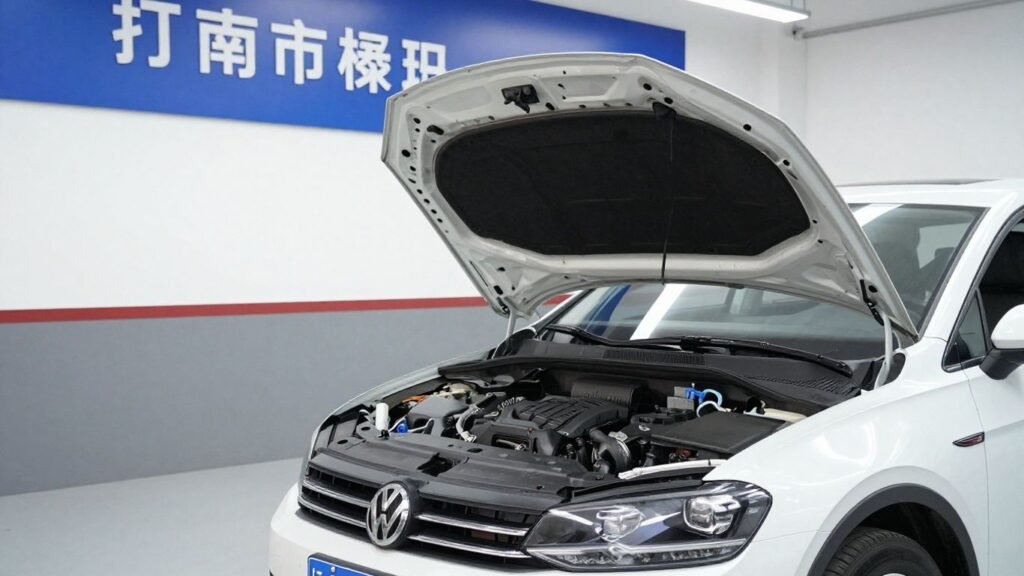
Navigating the landscape for replacement parts requires a basic familiarity with the common engine configurations circulating through the region. Many owners seeking Used Volkswagen engines Parramatta benefit from local proximity to established automotive networks that specialize in German engineering. By understanding the availability and condition of these units, you can make an informed decision that balances performance expectations with your current budget.
Identifying common Volkswagen engine models in Sydney
The most frequent engines found in local inventory reflect the popular models sold throughout Australia over the last decade. Technicians often categorize these units by their specific displacement and fueling systems, such as the widely used TSI turbocharged configurations. Knowing the exact engine code marked on your original block ensures that the replacement will integrate seamlessly with your vehicle’s existing transmission and electronic control systems.
Why Parramatta is a hub for high-quality auto parts
Parramatta acts as a central distribution point due to its strategic position within the greater Sydney transport network. This concentration of logistics and specialized automotive businesses allows for efficient movement of salvaged components from salvage sites to workshops. You will find that the high turnover of vehicles in this area keeps the selection diverse and competitively priced compared to regional centers.
Distinguishing between reconditioned and salvage engines
The choice between a salvaged unit and a reconditioned one often depends on your long-term vehicle ownership goals. A salvage engine is typically pulled directly from an end-of-life vehicle and sold as-is, which presents a lower upfront cost but fewer guarantees regarding internal wear. Conversely, a reconditioned unit has undergone an overhaul where worn bearings, seals, and gaskets are replaced to restore factory performance standards.
Assessing the quality of used engines
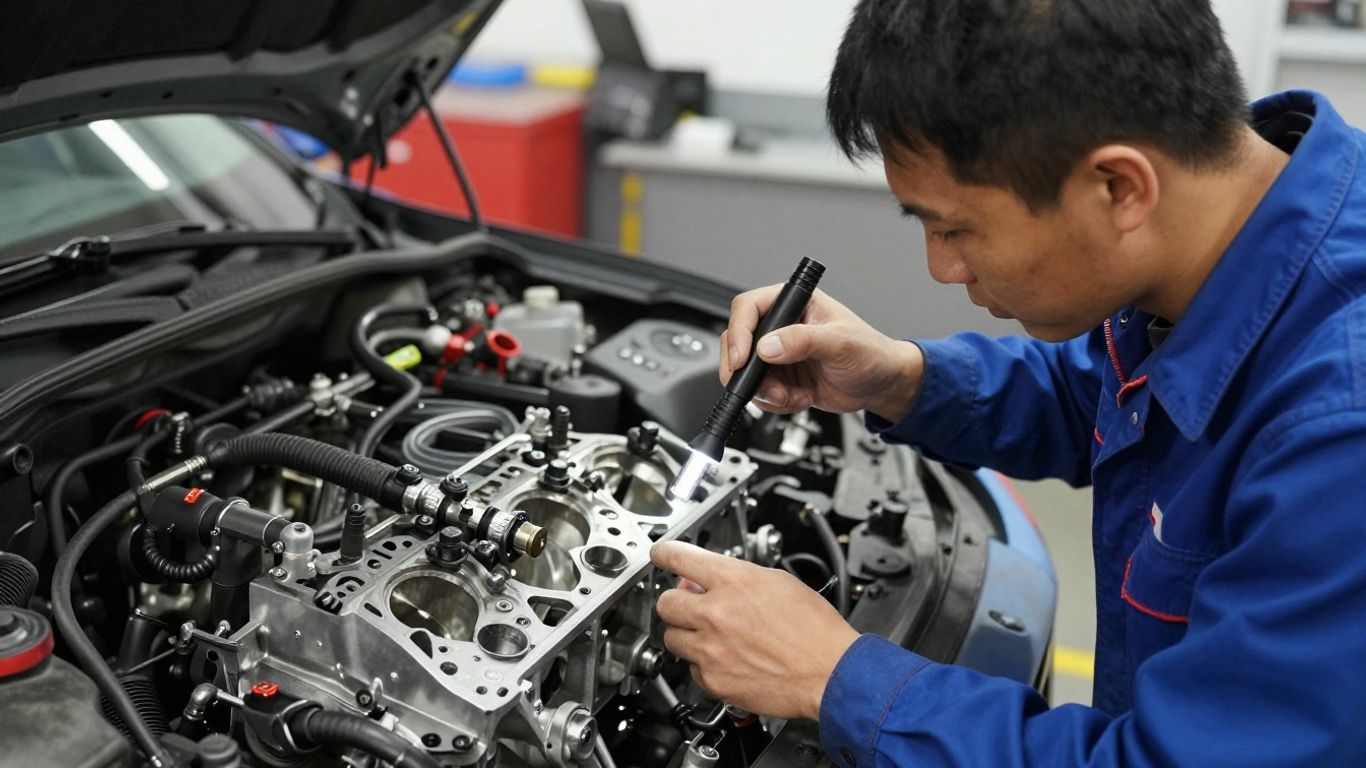
Evaluating the condition of an engine requires a systematic approach to avoid purchasing a unit with hidden defects. You must look beyond exterior cleanliness to determine whether the internal components have been properly lubricated and maintained over time. Observing these details upfront prevents costly surprises after the installation is complete.
How to perform a physical inspection of an engine block
A physical inspection should always begin with an examination of the oil and coolant for signs of contamination or metallic debris. You should verify that the crankshaft rotates freely by hand, which indicates that the pistons are not seized and the timing components are intact. Small details like the condition of the exhaust ports or the state of the spark plug threads can reveal the care taken by the previous owner.
Analyzing vehicle maintenance records and service history
If the seller can provide a verified service history, you gain significant insight into how the engine was treated throughout its lifespan. A documented log of oil changes and cooling system flushes suggests that the internal wear remains within standard tolerances for its age. Skipping this step is risky, as even a clean-looking engine might have developed underlying issues due to a neglectful service schedule.
Red flags to watch for during the procurement process
During the acquisition process, there are specific signs that should prompt you to walk away from a potential purchase. Heavy layers of sludge inside the cylinder head or evidence of recent repairs using improper sealant are clear indicators of past abuse. When you notice these discrepancies, it is wise to maintain a disciplined approach toward your selection of reliable hardware for the project.
Working with reliable local wreckers and distributors
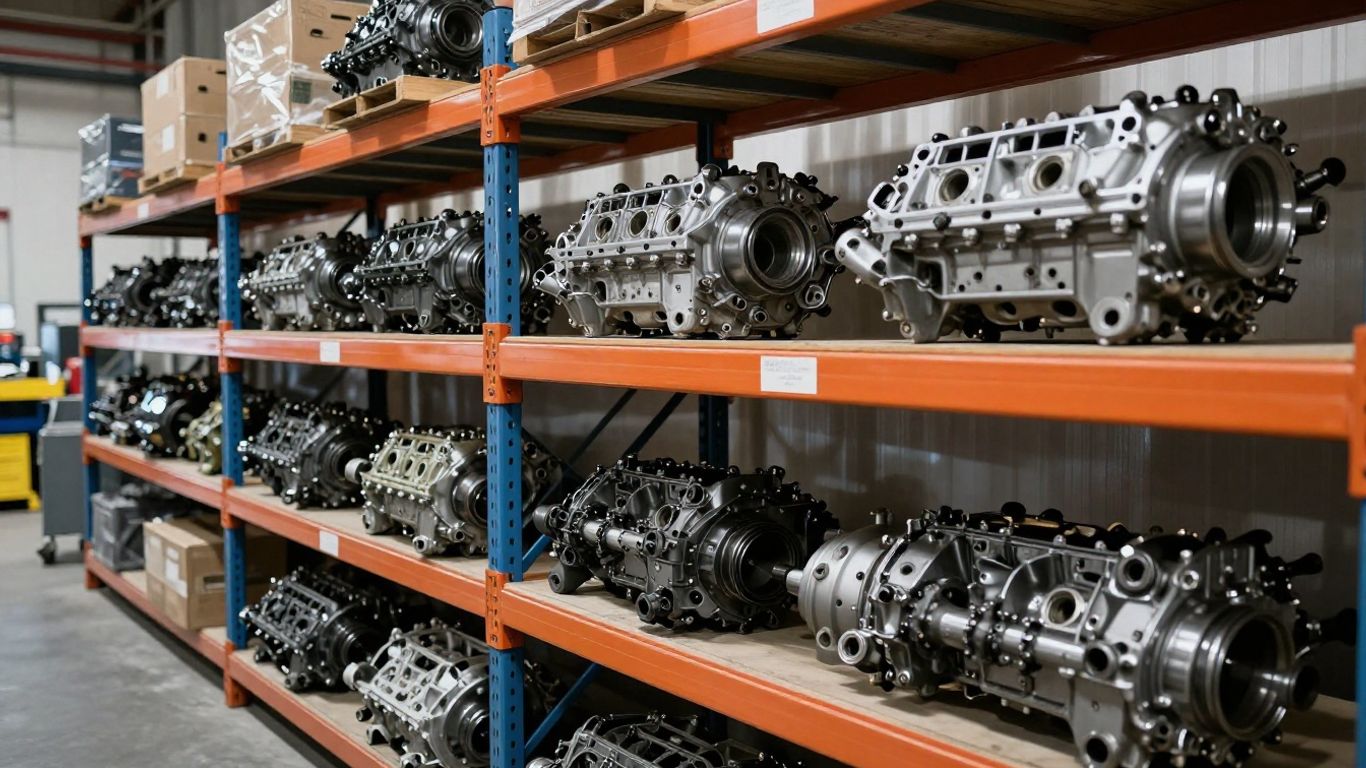
Establishing a relationship with trusted dismantlers in Western Sydney helps you secure high-quality components for your vehicle. These businesses have developed robust procedures for cataloging and testing salvaged items to ensure they meet basic functional criteria. Relying on professional operators simplifies the process while minimizing the time spent hunting for parts at smaller, less organized facilities.
Benefits of sourcing parts from dismantlers in Western Sydney
The advantage of working with local dismantlers lies in their ability to provide ready access to a wide array of donor vehicles. These yards prioritize quick turnover and often have deep technical knowledge of the specific Volkswagen models currently circulating in Australia. Using their local expertise often results in more accurate part identification and faster turnaround times.
Verifying dealer certifications and industry reputation
Before finalizing a purchase, checking the business reputation and any relevant industry certifications provides peace of mind. A reputable operator will openly discuss their testing methods, such as compression tests performed before the engine was removed from the donor frame. Seeking out reviews or industry standing confirms that the dealer effectively follows safety and environmental regulations.
Evaluating return policies and warranty terms
Most established wreckers offer a standardized period for returns if the engine fails to meet stated performance specifications post-installation. It is important to review these terms carefully, as installation by a licensed shop is frequently a requirement for the warranty coverage to remain valid. Consider the following common terms found in standard industry agreements represented in the table below.
| Term Coverage | Standard Duration | Requirement Detail |
|---|---|---|
| Parts Warranty | 3 to 6 Months | Must have receipt |
| Cooling Failure | Optional Extra | Pre-purchase testing |
| Labor Costs | Not Included | Professional install |
Reviewing these conditions ensures you understand your protection level before any physical delivery of parts occurs.
Logistical considerations for engine replacement
Managing the transition from an old engine to a replacement requires significant coordination between the parts supplier and your chosen mechanic. Planning the timing of the delivery, the setup of the installation bay, and the eventual disposal of the old core are all necessary steps. A smooth operation prevents delays that could extend the amount of time your vehicle remains unavailable.
Estimating shipping and handling costs within Parramatta
Transporting a heavy engine block across the city involves specialized equipment like tail-lift trucks or pallet jacks. While local shipping costs in Parramatta are relatively stable, you should always request a quote that includes lift-gate service if your workshop lacks a loading dock. Identifying these potential charges early prevents them from impacting your total project budget unexpectedly.
Planning for professional installation and testing
A professional mechanic will verify the engine timing and clearance before integrating the control modules into the vehicle.
Working with an experienced technician ensures that the new engine is synchronized with your specific vehicle’s engine management software. This level of technical oversight is essential because modern vehicles rely heavily on updated sensor feedback to maintain optimal fuel efficiency and power delivery. Never attempt a DIY installation unless you possess the specialized diagnostic tools necessary to pair the new unit correctly.
Disposing of your old engine block responsibly
Once the replacement reaches the engine bay, the discarded core remains your responsibility to dispose of in an environmentally sound manner. Many local wreckers will provide a core credit to take your old block, which helps them recycle metal while reducing your total cost. Ensure that you drain all residual fluids from the old unit before transport to prevent environmental contamination during the removal process.
Managing the long-term maintenance of your replacement engine
Protecting your investment starts the moment the vehicle leaves the shop after the initial installation. Taking proactive steps to monitor the engine’s behavior during the first few hundred kilometers allows you to address minor seating or alignment issues before they escalate. Consistent care serves to extend the functional lifespan of the unit significantly.
Best practices for post-installation engine health
After installation, prioritize a short-interval break-in period where you avoid extreme load or high revolutions per minute. This allows the internal components to adjust and properly interface with existing systems under controlled stress levels. Monitoring oil levels and keeping a close eye on engine temperature in the first two weeks identifies any potential leaks early.
Sourcing compatible Volkswagen OEM components
Whenever you perform maintenance, using original equipment manufacturer parts ensures that tolerances are managed exactly as the designers intended. While aftermarket alternatives might be cheaper, OEM parts are designed to support the long-term longevity and predictable performance of your specific engine architecture. This choice is vital for maintaining the reliable operation you expect from your vehicle.
Scheduling regular service intervals to extend engine life
Sticking to a strict service schedule is the most effective way to prevent premature degradation of your newly installed engine systems. By replacing oil, air filters, and cooling fluid at the specified intervals, you prevent carbon buildup and corrosion from impacting engine performance. These routine actions keep the vehicle running smoothly and preserve the value of your replacement engine over time.
Conclusion
Securing a used engine in the Parramatta region is a manageable task provided you approach the procurement process with diligence and attention to detail. By verifying the history of the unit, choosing a reliable partner for your components, and ensuring professional installation, you maximize the value and longevity of your vehicle. Staying consistent with maintenance after the final installation will allow you to enjoy renewed performance for years to come.