Key Takeaways
Finding the right spare parts for your German vehicle requires a careful approach to local logistics and part verification. These points summarize how to navigate the market effectively:
- Research local dismantler reputations before visiting.
- Confirm part compatibility using specific model manufacturing data.
- Prioritize recycling to save money and reduce waste.
- Inspect all used components for hidden structural damage.
- Always ask for warranty terms before completing a purchase.
How to find reliable Volkswagen wreckers in Canberra
Identifying a trustworthy partner for your vehicle repairs is essential when navigating the Canberra automotive scene. You want a provider who specializes in European engineering and maintains high standards for inventory management.
Locating specialized European auto dismantlers
Finding a dedicated European specialist is vital because these workshops have deep technical knowledge regarding specific German engine configurations. These experts are better equipped to handle sensitive components compared to generic yards that process all vehicle types without discrimination.
Checking online reviews and local reputation
Customer feedback is a reliable indicator of service quality and part honesty among local repair specialists. Look for consistent stories regarding the accuracy of descriptions provided by the staff, as this transparency usually signals a legitimate business operation.
Verifying stock availability for your specific VW model
Before making the trip, always call ahead to confirm whether your specific engine or body trim level is currently in the dismantling process. Having your vehicle identification number ready can save significant time and ensures you get the exact replacement needed for your repairs.
Benefits of choosing recycled VW parts over new components
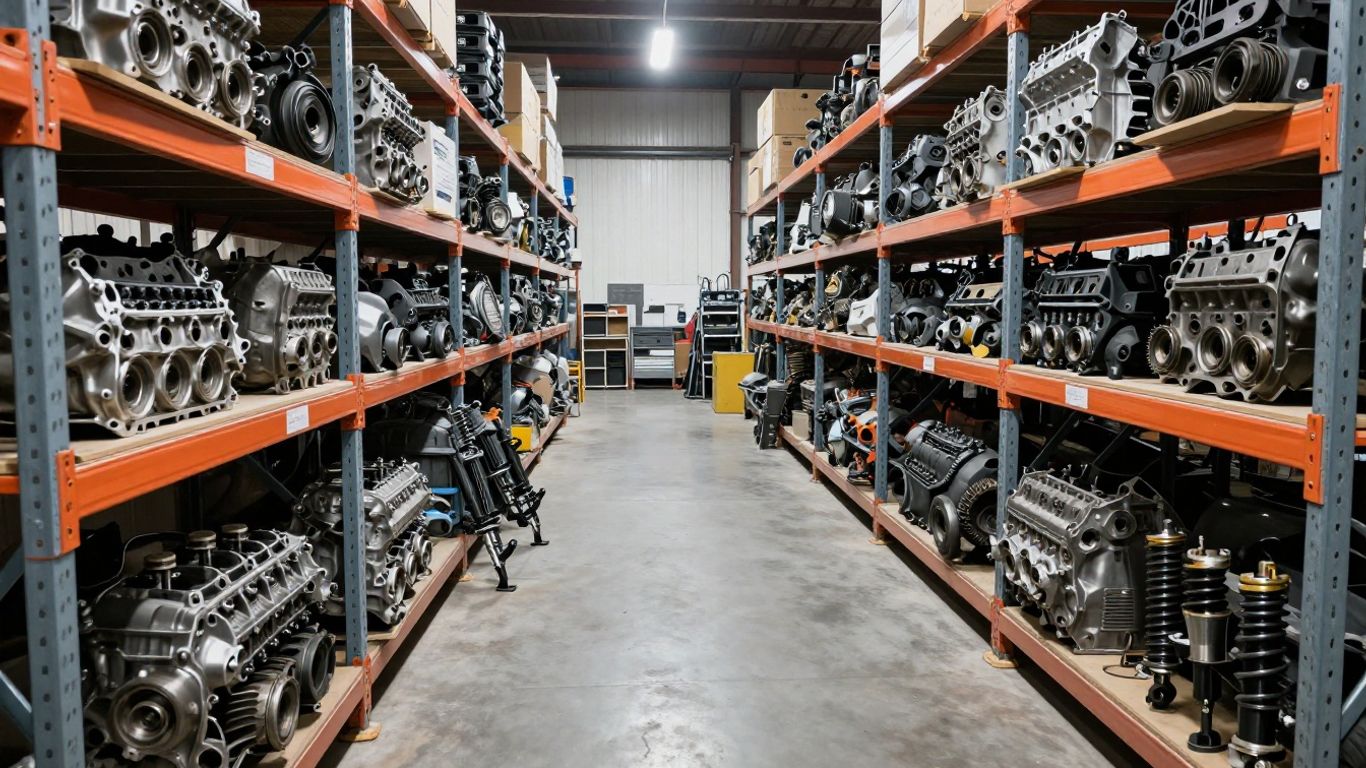
Choosing salvaged components offers a practical path toward maintaining your vehicle without the premium price tag associated with brand-new OEM inventory. This approach encourages a circular economy while keeping older models safely on the road.
Significant cost savings on genuine manufacturer parts
Recycled parts often cost a fraction of the dealer price, allowing you to source original components that fit your car perfectly. Many owners find that they can repair complex systems using high-quality used parts while staying well within their projected budget.
Reducing your environmental footprint through recycling
Opting for salvaged materials is a sustainable choice that keeps functional steel and plastic components out of regional landfills. By giving these items a second life, you effectively save the resources that would have been required for new manufacturing and international shipping.
Immediate availability compared to backordered items
One of the most significant practical advantages of using a local wrecker is the ability to walk away with the necessary part immediately. While new components might face shipping delays or logistical hurdles, a wrecker often has the matching unit sitting on their shelf right now.
Understanding the grading system for salvaged Volkswagen parts
Understanding how wreckers categorize their inventory is essential for setting realistic expectations before you purchase used components. Grading ensures you know exactly the condition you are paying for.
Defining quality grades for body panels and lights
Condition reports for exterior panels usually focus on the presence of dings, paint condition, or previous rust repairs. Understanding these codes helps you judge whether a part is ready for direct installation or if it requires additional bodywork like repainting to match your current vehicle finish.
Interpreting mileage and condition notes for mechanical components
Mechanical assemblies are often assigned a status based on the donor vehicle’s engine hours or total mileage figures. It is standard for reputable yards to test these units whenever possible to confirm that the transmission or alternator is still functioning as expected.
Knowing which parts should always be bought new
Certain safety-related or wear-prone items should not be sourced from a wrecker, regardless of the apparent condition of the donor vehicle. Items like rubber brake lines, seals, or specific safety sensors generally perform best as fresh, unused units.
What to look for when inspecting parts at a wrecker
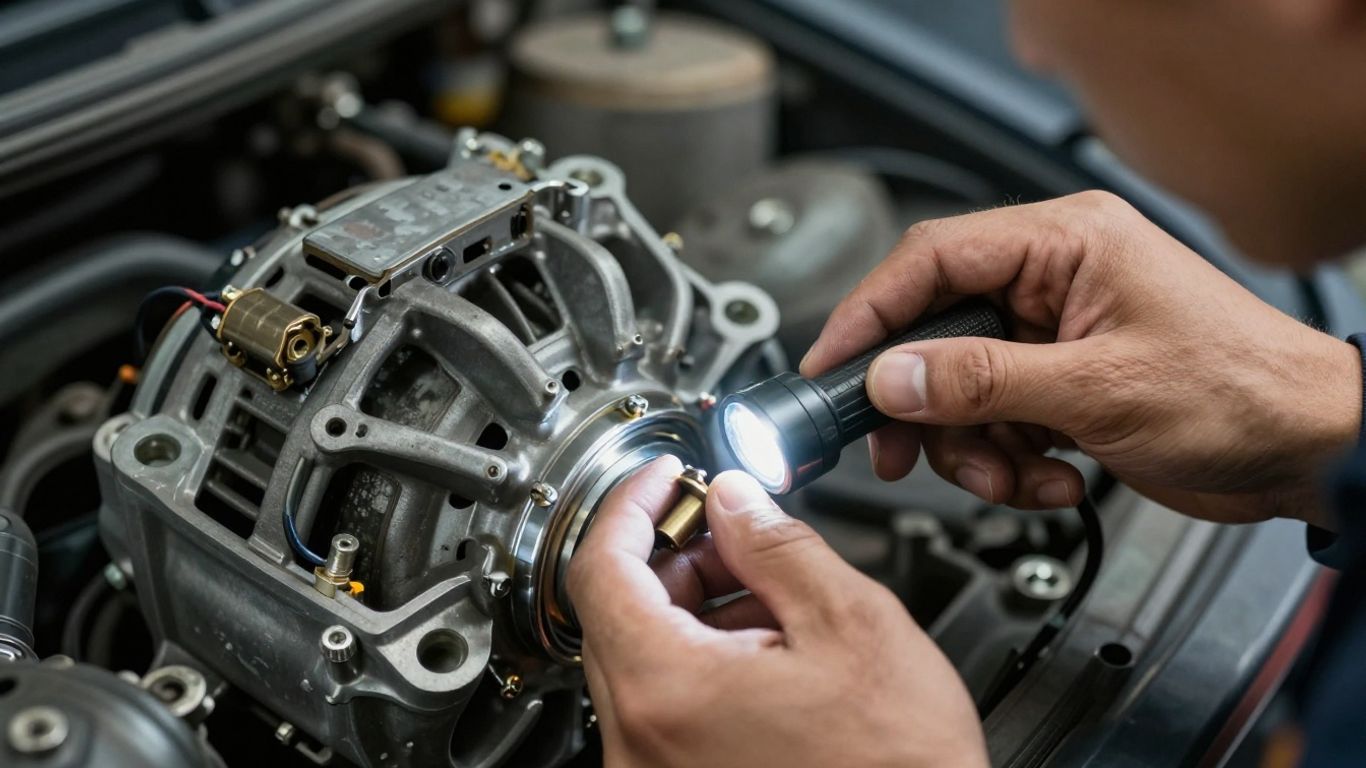
Inspecting your parts in person allows you to verify that they are fit for purpose before you hand over any payment. Taking a moment to conduct a hands-on check helps avoid the hassle of returns or installation surprises.
Identifying signs of structural fatigue or corrosion
Look closely for any signs of pitting on metal surfaces or brittle textures on plastic covers, which could indicate long-term exposure to the elements.
Surface oxidation or minor blemishes on metal parts do not necessarily compromise structural integrity as long as the core material remains thick and free from deep flaking or pervasive rot.
If the metal appears solid and the mounting points are secure, the part likely retains its structural capability for ongoing use in your vehicle.
Testing electrical connectors for water damage
Electrical plugs should always be dry and clean inside the pins to ensure that signals flow without resistance. If you notice signs of corrosion or moisture, it is better to seek an alternative component to avoid intermittent faults in your electronic systems later.
Verifying compatibility with different engine variants
Volkswagen often updates hardware slightly between production years, so checking part numbers against your original equipment is non-negotiable. Even parts that appear identical visually may have different internal wiring or bolt hole placements that prevent proper fitment.
Essential questions to ask before buying used VW spares
Asking the right questions turns a complex purchase into a straightforward transaction that protects your financial interests. Clarity at the point of sale is the best way to ensure satisfaction with your used parts purchase.
Confirming return policies and warranty coverage
Reputable yards should offer a clear policy stating what happens if a part fails shortly after installation. Understanding the timeline and the process for refunds or exchanges prevents future frustrations.
Asking about the donor vehicle’s history
Knowing how the donor car was treated can provide clues about the wear on the parts you are removing. If the history confirms the car was regularly serviced, you can generally trust the longevity of the major components salvaged from that vehicle.
Inquiring about delivery or collection options
Large parts like doors, bumpers, or engine blocks might require special shipping arrangements that the salvage yard can facilitate. Clarifying whether professional delivery is available saves you the trouble of finding a vehicle large enough to transport awkward or heavy steel components yourself.
Proper maintenance tips for installing salvaged Volkswagen parts
Once you have secured your parts, the final step involves preparing them so they perform reliably over the long haul. Installers should always prioritize precision over speed to ensure everything functions just like the factory original.
Cleaning and prepping recycled parts before fitment
Remove any old grease or dust trapped in crevices before the component is bolted into place. A clean surface helps you detect potential leaks or cracks that might have been obscured by years of operation in the previous vehicle.
Ensuring correct fluid levels and seals are used
Whenever you replace a mechanical part, it is standard practice to install brand new gaskets and seals to prevent leaks. Fresh fluids should also be utilized to ensure that the interior components are properly lubricated from the moment they cycle for the first time.
Following manufacturer specifications for bolt patterns and torque
Use the official workshop manual to look up exact tightening sequences for the specific fasteners involved in your installation. If you over-tighten or under-tighten these bolts, you risk warping the metal or causing the part to shift under the vibrations of day-to-day driving.
Conclusion
Successfully sourcing parts from a salvage yard requires a balance of diligent research, careful inspection, and proper maintenance during installation. By focusing on quality and compatibility, you can keep your vehicle performing at its peak while embracing an affordable, sustainable approach to automotive repair.