Looking for a replacement engine for your Volkswagen in Melbourne? You’ve come to the right place. Finding used Volkswagen diesel engines for sale in Melbourne can seem like a big task, but it doesn’t have to be. Whether you’re fixing up an older model or need a quick replacement, knowing where to look and what to check can save you time and hassle. Let’s get your VW back on the road.
Key Takeaways
- Melbourne has several options for finding used Volkswagen diesel engines, including specialist suppliers, wreckers, and online platforms.
- Always check the engine code and specifications to ensure compatibility with your specific Volkswagen model and year.
- Prioritize inspecting and testing any used engine before purchase, and inquire about warranty options for peace of mind.
- Compare prices from different sellers and arrange for inspection and collection or delivery.
- Consider getting professional advice for installation and post-purchase support to keep your vehicle running smoothly.
Finding Used Volkswagen Diesel Engines in Melbourne
Why Choose a Used Volkswagen Diesel Engine
So, your VW diesel is making some unhappy noises, or maybe you’re just looking to swap it out for something a bit more robust. When it comes to replacing that heart of your car, going for a used Volkswagen diesel engine can be a smart move. It’s often a much more budget-friendly option than buying brand new, and for many models, these diesel engines are known for their durability and good fuel economy. Think about it – you get the performance and reliability that Volkswagen is known for, but without the hefty price tag of a new unit. Plus, these engines were built to last, so a well-maintained used one can still have plenty of life left in it.
Benefits of Sourcing Locally in Melbourne
When you’re on the hunt for a used VW diesel engine, looking right here in Melbourne makes a lot of sense. For starters, you can actually go and see the engine yourself before you buy it. No more guessing games based on photos or descriptions. You can check out its condition, maybe even hear it run if the seller has the setup. Plus, picking it up yourself cuts out any shipping hassles and costs. It’s just easier to deal with local suppliers; you can build a bit of a relationship, and if any issues pop up, it’s usually simpler to sort them out face-to-face. It cuts down on the waiting time too, getting your car back on the road faster.
Key Considerations Before Purchasing
Before you hand over your cash for a used VW diesel engine, there are a few things you really need to think about. First off, what exactly are you looking for? You’ll need to know the specific engine code for your Volkswagen model and year. Trying to fit the wrong engine is a recipe for disaster, trust me. Also, think about the mileage. Lower mileage is generally better, but a higher mileage engine that’s been well looked after might be a better bet than a low-mileage one that’s been neglected. And don’t forget about the warranty – even a short one can give you some peace of mind.
Always ask about the engine’s history. Where did it come from? Was it from a wreck, or was the car it was in maintained regularly? This kind of information can tell you a lot about what to expect.
| Engine Type | Typical Mileage Range (km) | Common Issues to Watch For |
|---|---|---|
| TDI (e.g., 1.9, 2.0) | 100,000 – 250,000 | Turbocharger wear, injector problems, DPF issues |
| Common VW Diesel Engines | 150,000 – 300,000 | Glow plug failure, oil leaks, timing belt wear |
Knowing these details beforehand can save you a lot of headaches down the track.
Where to Source Your Volkswagen Diesel Engine
Specialist Volkswagen Parts Suppliers
When you’re on the hunt for a used Volkswagen diesel engine in Melbourne, hitting up specialist suppliers is a smart move. These places often focus just on VWs, meaning they know their stuff. They might have a good stock of engines from various models, and because they specialize, they’re usually pretty good at telling you exactly what you’re getting. Think of them as the go-to folks for specific parts like the TDI engines you’re after. They often have a better handle on engine codes and compatibility than a general auto parts store.
Reputable Auto Wreckers in Melbourne
Melbourne has a bunch of auto wreckers, and some are definitely better than others. Finding a good one means you’re more likely to get an engine that hasn’t been sitting in a field rusting away. A reputable wrecker will usually have a process for checking engines before they’re sold, and they might even offer a short warranty. It’s worth doing a bit of digging to find ones that have good reviews or are recommended by other VW owners. You might find a gem at a fraction of the cost of a specialist, but you’ll want to be a bit more careful.
Online Marketplaces for Used Engines
Don’t forget the online world! Websites and marketplaces are full of people selling used car parts, including Volkswagen diesel engines. You can often find listings from private sellers, mechanics clearing out old stock, or even some of the wreckers and specialists mentioned above. The big advantage here is the sheer volume of options and the ability to compare prices easily. Just be extra careful when buying online – always check seller reviews, ask for detailed photos and engine history, and try to arrange an inspection if possible before handing over any cash. It’s vital to confirm the engine code matches your vehicle’s requirements.
Buying a used engine can save you a lot of money, but it’s not without its risks. Doing your homework on the seller and the engine itself is key. A little extra time spent upfront can save you a massive headache down the road.
Identifying the Right Diesel Engine for Your VW
Understanding Engine Codes and Specifications
So, you’re looking for a used VW diesel engine in Melbourne. The first thing you’ll notice is that there isn’t just one type of engine. Volkswagen uses a whole bunch of different ones, and they all have specific codes. These codes are super important because they tell you exactly what engine you’re dealing with. Think of it like a car’s fingerprint. You’ll see codes like ‘CDBA’ or ‘CSHA’ for the 2.0L TDI engines found in models like the Amarok, or ‘BXB’ or ‘BRM’ for the 1.9L TDI in older Golfs or Boras. Knowing the code helps you make sure it’s the right fit for your car and avoids a whole lot of headaches down the line. It’s not just about the displacement (like 2.0L or 1.9L), but the specific tune, turbo setup, and emissions controls. These details matter a lot for compatibility and performance.
Common Diesel Engine Options for Popular Models
Volkswagen has put a variety of diesel engines into their cars over the years. For popular models like the Golf, you’ll often find the 2.0L TDI, which came in different power outputs and with various codes depending on the generation. If you’re looking at something like a Tiguan or an Amarok, the 2.0L TDI is also common, sometimes with twin-turbo setups (BiTDI) for more grunt. Older models, like the Bora, might have the 1.9L TDI, a really solid and reliable engine that’s known for its fuel economy. It’s worth doing a bit of digging to see which engines were originally fitted to your specific model and year.
| Model | Common Diesel Engine Codes | Notes |
|---|---|---|
| Golf | 2.0 TDI (CFFA, DFHA) | Various tunes and generations |
| Amarok | 2.0 TDI (CDBA, CNEA) | Also BiTDI (CSHA) and 3.0 V6 TDI (DDXC) |
| Bora | 1.9 TDI (ATD) | Older, but dependable |
| Caddy | 1.9 TDI (BXB, BRM) | Also 1.6 TDI (CAYD, CAYE) and 2.0 TDI |
| Eos | 2.0 TDI (BMM, CBAB) | Less common than petrol variants |
Matching Engine to Your Volkswagen Model and Year
This is where it all comes together. You can’t just slap any engine into your car and expect it to work perfectly. You need to match the engine to your specific Volkswagen model and, importantly, the year it was made. Different years often had different engine versions, even if they share a similar displacement. The engine control unit (ECU), wiring harnesses, and even the physical mounting points can change. So, if you have a 2015 Golf TDI, you’ll want an engine that was designed for that generation, ideally with the same or a very similar engine code. This makes the swap much smoother and reduces the chances of electrical gremlins or compatibility issues. Always double-check the engine code against your car’s VIN or original engine number if possible.
When you’re hunting for a replacement engine, don’t forget about the transmission. The engine and gearbox need to play nicely together. Sometimes, a specific engine code is tied to a particular transmission type, like a manual or a DSG automatic. Making sure they’re a compatible pair will save you a lot of trouble later on.
Ensuring Quality and Reliability
Importance of Engine Testing and Inspection
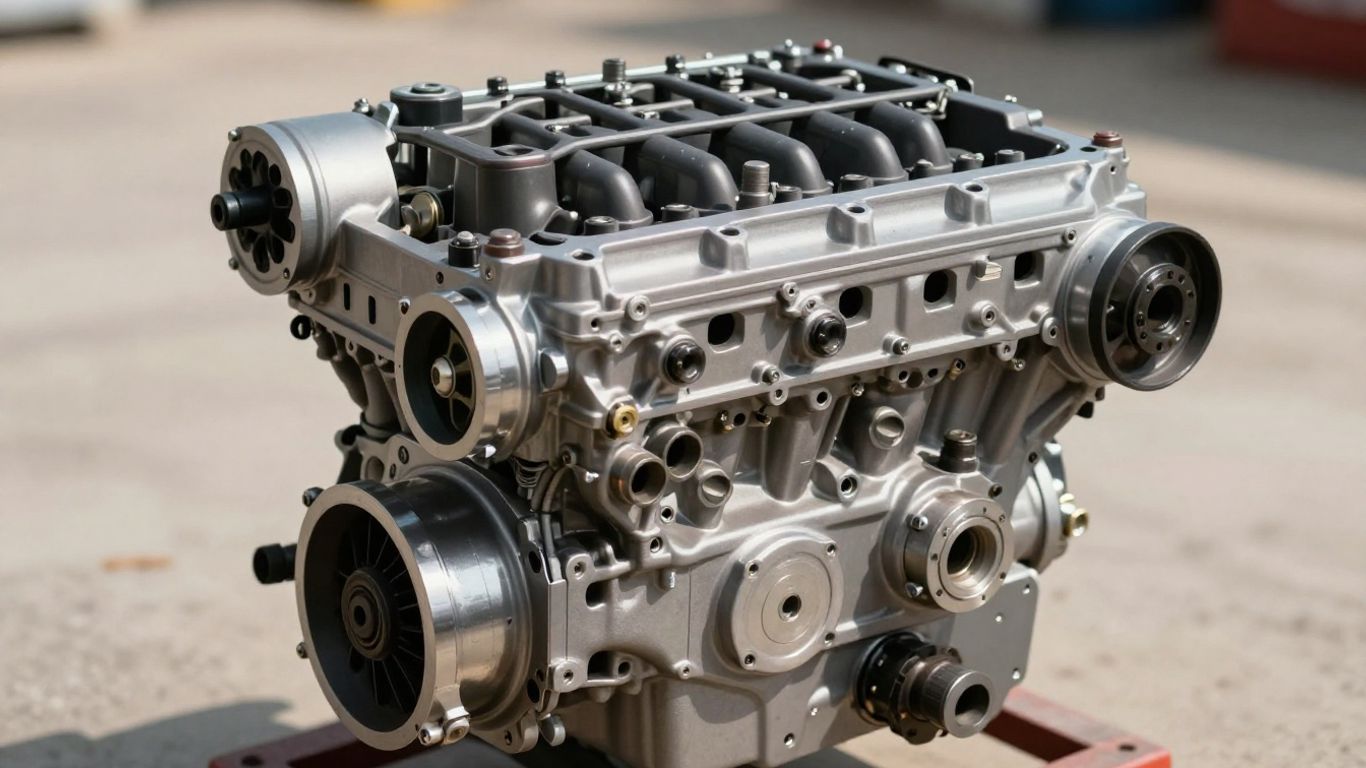
When you’re looking at a used Volkswagen diesel engine, the most important thing is to know it’s going to work. Don’t just take someone’s word for it; ask for proof of testing. Reputable sellers will have records or be able to demonstrate that the engine has been checked. This usually involves running the engine to check for strange noises, oil leaks, or smoke. They might also check compression levels, which gives you a good idea of the engine’s internal health. A quick visual inspection is a start, but it won’t tell you if the engine is about to conk out.
Warranty Options for Used Engines
Getting a warranty on a used engine can give you some peace of mind. It’s not always a guarantee, but it means the seller stands behind their product to some extent. Some places might offer a short, basic warranty, maybe 30 days, just covering the core engine components. Others might have longer options, perhaps up to 6 months or even a year, but these usually cost more and might have specific conditions. Always read the fine print to know exactly what’s covered and what isn’t.
| Warranty Type | Typical Duration | What’s Usually Covered | Notes |
|---|---|---|---|
| Basic | 30 Days | Core engine parts (block, head) | Often limited to manufacturing defects |
| Extended | 3-12 Months | Broader coverage, may include accessories | Usually costs extra, check terms carefully |
Signs of a Well-Maintained Used Engine
Looking at a used engine is a bit like looking at a used car. You want to see signs that it’s been looked after. Cleanliness is a good indicator. If the engine bay is relatively clean, with no excessive grime or oil buildup, it suggests someone cared about it. Check for signs of recent maintenance, like new-looking hoses or belts. Also, look at the oil cap and dipstick – if the oil looks clean and not sludgy or milky, that’s a positive sign. A well-maintained engine usually runs smoothly and quietly when tested.
When inspecting a used diesel engine, pay close attention to the exhaust. Excessive black smoke can indicate issues with fuel injection or turbo problems, while blue smoke often points to oil burning. White smoke might mean coolant is getting into the combustion chamber. These are not always deal-breakers, but they definitely warrant further investigation and could mean more repair costs down the line.
The Purchasing Process in Melbourne
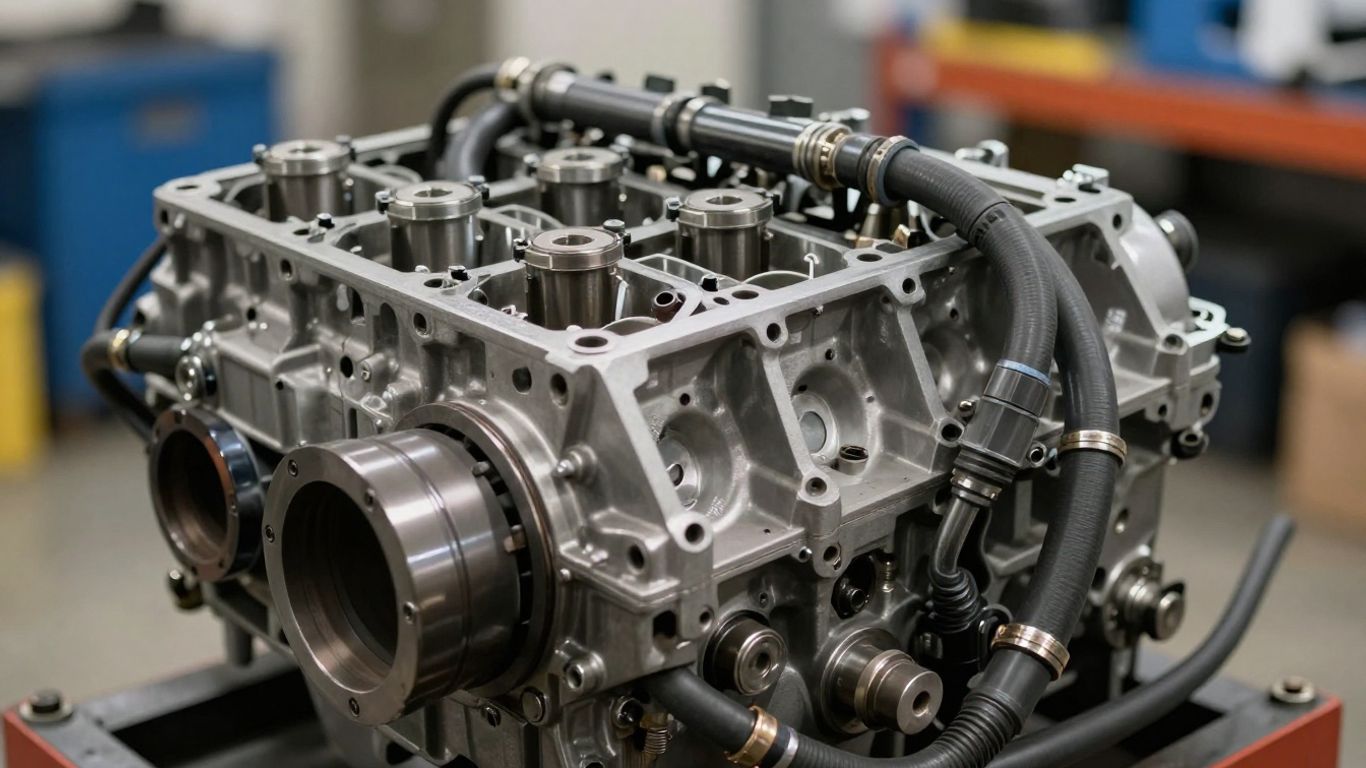
So, you’ve found the perfect used Volkswagen diesel engine for your needs in Melbourne. Now comes the part where you actually buy it. It might seem straightforward, but there are a few steps to make sure everything goes smoothly.
Getting Quotes and Comparing Prices
Don’t just jump on the first engine you see. It’s smart to get a few quotes from different suppliers. This way, you can compare not just the price, but also what’s included. Some places might offer a better warranty or include shipping in their price, which can make a big difference. When you’re looking at prices, keep an eye on the engine’s condition and mileage. A slightly more expensive engine with fewer kilometers and a solid warranty might save you money in the long run.
Here’s a rough idea of what you might see, but remember these are just examples and prices change:
| Engine Type | Condition | Estimated Price Range (AUD) |
|---|---|---|
| Used VW Diesel (General) | Good | $1,500 – $7,000+ |
| Remanufactured VW Diesel | Excellent | $2,000 – $8,000+ |
Always ask for a detailed breakdown of what the price includes. Is it just the engine, or does it come with ancillaries like injectors, turbo, or starter motor? Knowing this upfront helps avoid surprises.
Arranging Inspection and Collection
If possible, seeing the engine in person before you buy is a good idea. This lets you check for any obvious damage, leaks, or signs of wear. Ask the seller if you can have a mechanic look it over. If you’re buying from a local Melbourne supplier, arranging a time to pick it up yourself can save on shipping costs and lets you see the engine firsthand. Make sure you have a way to transport it safely – these things are heavy!
Understanding Shipping and Delivery Options
If you can’t pick it up yourself, you’ll need to sort out shipping. Many suppliers in Melbourne offer Australia-wide delivery. Get a clear quote for this, including estimated delivery times. Sometimes, "free shipping" is advertised, but it’s worth checking if that’s included in the overall price or if there are any hidden fees. For larger items like engines, freight insurance is also something to consider to protect your investment during transit.
Expert Advice and Support
Consulting with Volkswagen Specialists
Sometimes, you just need to talk to someone who really knows their stuff. When you’re hunting for a used diesel engine for your VW in Melbourne, getting advice from a specialist can save you a lot of headaches. These folks live and breathe Volkswagens, so they can help you figure out exactly what engine code you need, what common issues to look out for with specific models, and even suggest the best places to find a reliable unit. They’ve seen it all, from a sputtering TDI in a Golf to a tired engine in a Touareg, and their insights are gold.
Don’t underestimate the power of a good conversation with a mechanic or parts supplier who specializes in European cars. They can often spot potential problems or compatibility issues that you might miss, especially if you’re not a seasoned mechanic yourself. A quick chat could prevent a costly mistake down the line.
DIY Installation vs. Professional Mechanic
So, you’ve found the engine, but now what? The big question is whether you’re going to tackle the installation yourself or hand it over to a professional. If you’re a seasoned DIYer with a well-equipped garage and plenty of time, a manual engine swap might be a rewarding challenge. However, for most people, especially with complex diesel engines, it’s a job best left to the pros. Mechanics have the specialized tools, the experience, and the know-how to get it done right the first time. Plus, a professional installation often comes with a labor warranty, giving you extra peace of mind.
Here’s a quick look at what to consider:
| Factor | DIY Installation | Professional Mechanic |
|---|---|---|
| Cost | Lower parts cost, but potential for tool purchase/rental | Higher labor cost, but often includes warranty |
| Time | Significant time investment, potential for delays | Faster turnaround, less personal time commitment |
| Risk | Higher risk of errors, potential for further damage | Lower risk of errors, professional accountability |
| Tools | Requires specialized tools and equipment | Tools are readily available |
Post-Purchase Support and Resources
Once you’ve got your used Volkswagen diesel engine sorted, the journey isn’t quite over. Good suppliers will offer some form of post-purchase support. This could be anything from a basic warranty period to help with troubleshooting if you run into initial problems. It’s also worth checking if they provide any documentation or advice on the engine’s history or maintenance. Don’t forget to keep all your receipts and any paperwork related to the sale and installation. Having a reliable resource to turn to if questions arise after the purchase can make a big difference in the long run.
Wrapping It Up
So, if you’re in Melbourne and your trusty VW needs a new diesel heart, you’ve got options. Finding a used engine doesn’t have to be a huge headache. Whether you’re looking for something budget-friendly or a specific engine code, there are places out there that can help. Just remember to do your homework, check the condition, and make sure it’s the right fit for your car. Getting your Volkswagen back on the road in good shape is totally doable.