Key Takeaways
Finding the right transmission can save you significant time and money when repairing your vehicle. Use these five points to guide your search for quality components.
- Source parts locally or through verified expert importers.
- Always verify your specific transmission code before purchasing.
- Physically inspect components for signs of leaks or damage.
- Understand your consumer rights regarding warranties on used parts.
- Rely on professional mechanical services for precise installation.
Sourcing second hand Volkswagen gearboxes in Adelaide
Navigating the local supply of automotive parts requires patience and a clear strategy to ensure you receive a functional component. You will find that Adelaide hosts a variety of specialized outlets, but filtering them by reputation remains your most effective tool. Taking a methodical approach to evaluating your potential suppliers will prevent costly mistakes and long-term frustration, helping you acquire a reliable replacement for your car without unnecessary stress.
Identifying reliable local wreckers
Local salvage yards serve as a quick way to find parts for models currently in circulation. When visiting these businesses, ask about their inventory management processes and whether they perform bench testing on units before removal from the donor vehicle.
Searching dedicated Volkswagen parts importers
Specialized importers often carry components that are difficult to find at general-purpose breakers. These businesses usually have deep knowledge of the specific technical requirements for European models and can help narrow down your search based on production dates.
Utilizing online auto part marketplaces
Digital platforms connect buyers with a wider geographic pool of sellers, which is helpful if local stock is limited. Ensure that any listing you consider includes clear photos and a verifiable service history for the donor car, as online distance necessitates extra caution during the selection process.
Verifying compatibility for your Volkswagen model
Decoding your Volkswagen transmission code
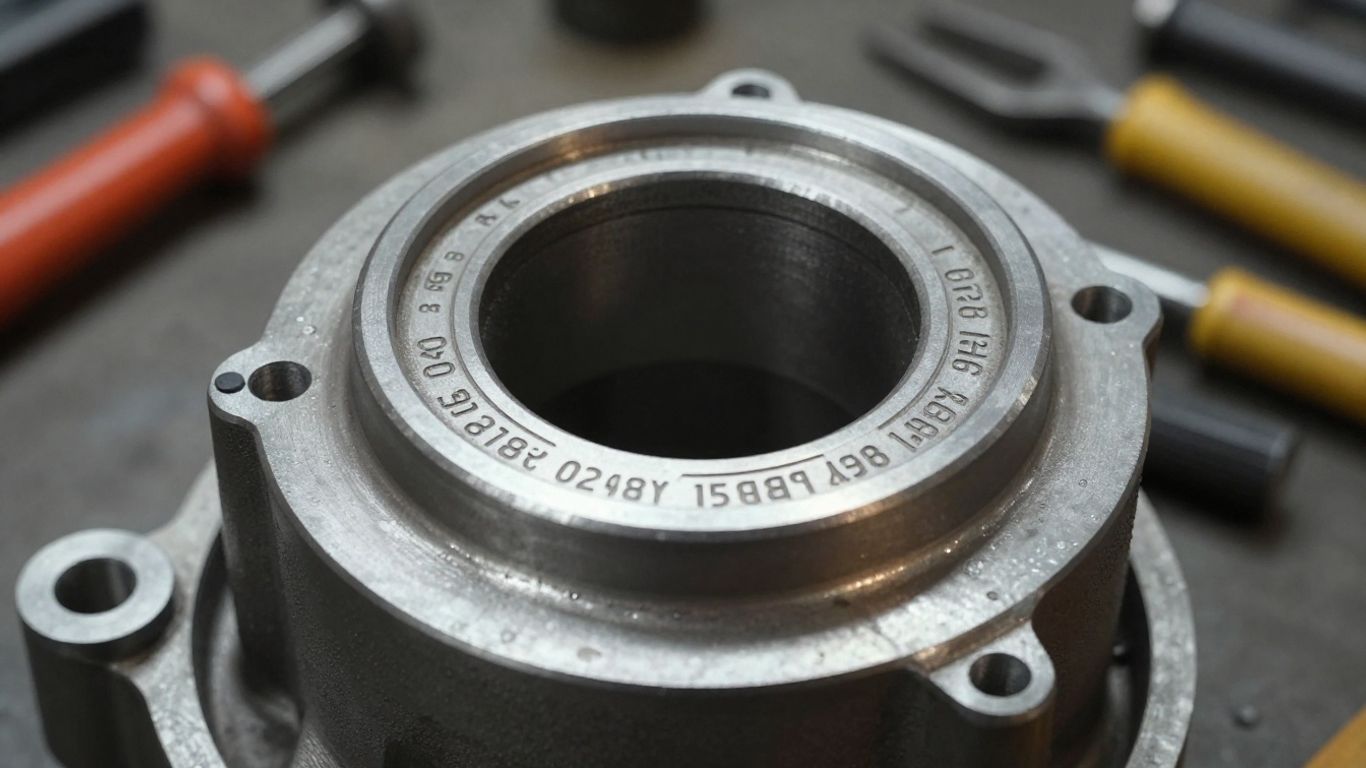
Locating the transmission code involves checking the factory identification plate or the service manual sticker located in the luggage compartment. Finding this precise alphanumeric string is the best way to ensure the replacement unit communicates properly with your engine ECU.
Matching gearboxes to specific engine configurations
Every engine series demands a specific transmission type to handle its torque output and power band. You must confirm that your engine displacement and fuel type are consistent with the specifications found on the donor vehicle’s build tag.
Managing differences between manual and DSG units
Distinguishing between traditional manual gearboxes and the sophisticated DSG transmission is vital for functional success. The wiring harnesses and cooling requirements for these systems differ significantly, meaning you cannot substitute one for the other even if the physical housing appears identical.
Evaluating the physical condition of a used gearbox
Assessing transmission fluid color and smell
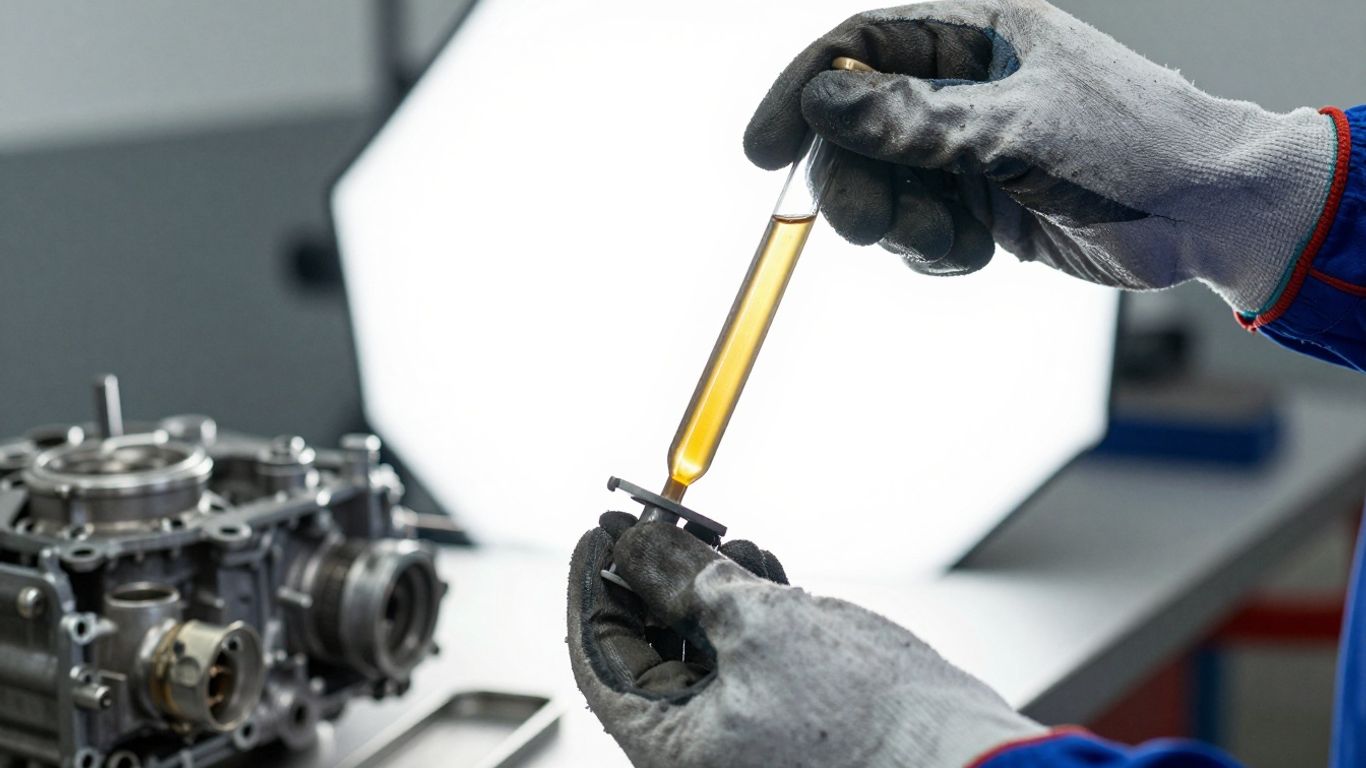
Fresh transmission fluid looks clear or slightly amber, while degraded or burnt fluid appears dark and creates a distinct, acrid odor. Using the following diagnostic table helps classify the fluid condition observed during your inspection:
| Fluid State | Color | Odor | Interpretation |
|---|---|---|---|
| Healthy | Bright Red/Amber | Sweet/Neutral | Likely functional |
| Oxidized | Brown | Minimal | Aging, requires service |
| Burnt | Black | Pungent/Burnt | Internal damage potential |
Checking this fluid state informs you whether immediate maintenance is necessary upon installation.
Inspecting the housing for structural damage or leaks
Look closely at the bell housing area for any hairline cracks or persistent fluid weeping around the input shaft seals. While light residue may be normal for high-mileage units, any significant gapping or structural deformities should be treated as a warning sign of collision impact or improper handling.
Testing internal components for smooth gear engagement
If the gearbox is still accessible for manual manipulation, check that each gear can be selected without binding or excessive play in the input shaft. Although this does not guarantee performance under load, it confirms that the linkages and shift forks are correctly positioned.
Understanding warranties and consumer rights
Knowing where you stand if a part fails is just as important as the part itself. In Adelaide, your rights vary significantly depending on whether you purchase from a licensed automotive trader or an individual seller.
Distinguishing between private seller and dealer warranties
Commercial wreckers usually provide a limited-term warranty that protects against immediate mechanical failure, whereas private transactions are almost always final. You should explicitly clarify the return policy before any money changes hands.
Documenting mileage and verified service history
Ask for the donor vehicle’s identification number to cross-reference the reported mileage. Having documentation of the service history confirms that the unit was maintained before its extraction.
Applying Adelaide consumer protection laws to used car parts
Local consumer regulations ensure that goods sold by businesses must be fit for their intended purpose. If a part sold for a specific model proves completely inoperable, you may have legal avenues for a refund or replacement.
Professional installation and maintenance
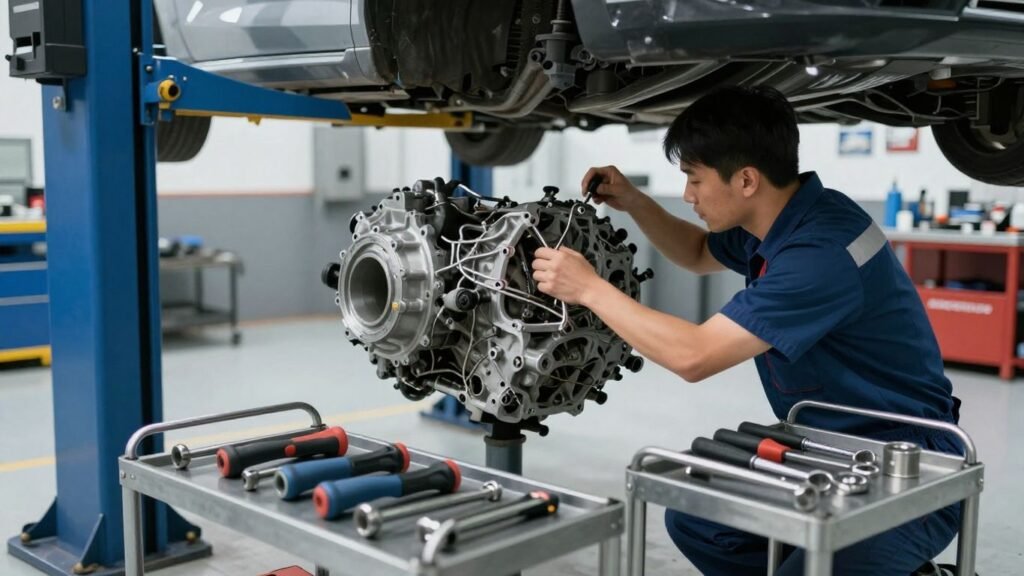
Replacing a transmission is a labor-intensive task that requires specific automotive lift equipment and diagnostic tools. Attempting this repair without professional support often leads to complications with the vehicle’s electronic systems.
Finding Adelaide mechanics specialized in Volkswagen transmissions
Work with technicians who are accustomed to European engineering, as they know the specific nuances of these drivetrain layouts. Professional shops handle both the physical mounting and the subsequent software integration necessary for a smooth transition.
Addressing post-installation transmission fluid requirements
Fluid levels must be calibrated exactingly according to the manufacturer’s temperature-specific protocols. Even a small discrepancy in volume can disrupt performance or lead to overheating during initial testing.
Re-learning or adapting the transmission control module after replacement
Modern vehicles utilize a computer-managed Transmission Control Module to regulate shifting behavior. After installing a replacement unit, a technician must perform a digital adaptation to reset the data parameters to your specific vehicle’s sensor readings.
Complex components like a transmission require precise software alignment and mechanical integrity, which is why integrated shop services remain the gold standard for long-term reliability.
Following these procedures for software adaptation ensures that the new unit integrates seamlessly with the existing onboard systems. By planning for professional installation and testing, you protect the investment you have made in your vehicle’s mechanical health.
Conclusion
Sourcing quality second-hand components for your vehicle is a balancing act between cost and reliability, requiring thorough research and careful verification of compatibility. By focusing on your specific engine data and relying on the skill of specialized local mechanics, you can successfully restore your car to ideal running condition while maximizing the longevity of your investment.