Key Takeaways
Navigating the world of automotive salvage can be intimidating, but understanding the basics helps ensure you get quality parts for your vehicle. Here are the core concepts for using local salvage services effectively:
- You can significantly lower your maintenance costs by choosing salvaged parts instead of new ones.
- Professional wreckers help keep usable components out of landfills through systematic recycling.
- Locating obscure components for vintage or discontinued models is often easier at specialized salvage yards.
- Checking for industry certifications and clear return policies remains the best way to secure a purchase.
- Always verify compatibility with your specific vehicle identification number before finalizing any transaction.
Benefits of using Volkswagen wreckers in Perth
Finding affordable ways to maintain a German-engineered vehicle is a common challenge for many car owners. Local salvage yards offer a practical alternative to dealership prices by harvesting high-quality parts from end-of-life cars. This approach serves both the practical need for affordable repairs and the broader goal of responsible vehicle management in Western Australia.
Significant cost savings compared to OEM
Choosing recycled components allows owners to avoid the high mark-up of original equipment manufacturer parts without compromising functionality. Many items, such as alternators or light assemblies, retain years of operational life but are sold at a fraction of their new retail cost. By utilizing budget-friendly parts, you keep your vehicle on the road while protecting your wallet.
Reducing automotive waste through recycling
Every vehicle processed by a wrecker represents a complex collection of metals, plastics, and fluids that can either be recycled or sent to a landfill. Salvage yards perform the heavy lifting of stripping these cars, ensuring that every reusable component continues to serve a purpose in another machine. This localized recovery process effectively limits the environmental footprint of owning a vehicle.
Sourcing hard-to-find components for older models
Finding specific trim pieces or specialized modules for a vehicle produced over a decade ago can be nearly impossible through standard retail channels. Specialized yards often keep these older units in stock, providing a lifeline for enthusiasts attempting to preserve classic or retired series models.
Sourcing from a reliable specialist ensures that components for legacy models are verified for fitment and function even when manufacturer support has long since ceased.
This commitment to preserving older inventories makes these businesses an essential partner for long-term vehicle ownership.
How to choose the right Volkswagen wreckers in Perth
Selecting a partner for your automotive needs requires checking their reputation and available services before committing to a purchase. You should look for businesses that prioritize transparency, clear communication, and a organized inventory management system. Taking time to evaluate a provider will ultimately lead to a better outcome for both your car and your peace of mind.
Researching reputation and customer feedback
Online reviews provide a snapshot of how a business treats its patrons, highlighting areas like service reliability and part accuracy. Start by looking for consistent positive experiences regarding the condition of salvaged items, as this indicates a disciplined approach to inventory assessment.
Confirming stock availability for your specific series
Before heading to a yard, confirm that they actually have the model series you are working on in their current inventory. Large operations like Tony’s Autos often maintain searchable digital records that allow you to check for specific vehicles or parts from the comfort of home. This ensures you do not waste time traveling to a site that does not have the necessary donor car.
Understanding return policies and warranties
Clear documentation and a fair policy regarding faulty or incompatible parts are hallmarks of a professional wrecker. You should explicitly ask about the coverage period for used electronics and mechanical assemblies before any transaction occurs.
| Feature | Industry Standard | Customer Benefit |
|---|---|---|
| Warranty Period | 30-90 Days | Risk Protection |
| Return Policy | In-Store Credit | Flexibility |
| Part Testing | Pre-Sale Checks | Guaranteed Fit |
Knowing exactly where you stand if a component fails provides much-needed security when shopping for used, high-wear automotive parts.
Checking for professional industry affiliations
Membership in recognized automotive bodies often signals that a wrecker adheres to standardized safety and environmental protocols. These affiliations suggest that the business prioritizes legitimate operations, and you can trust that their standard of service remains high for every customer interaction.
Frequently sourced Volkswagen parts
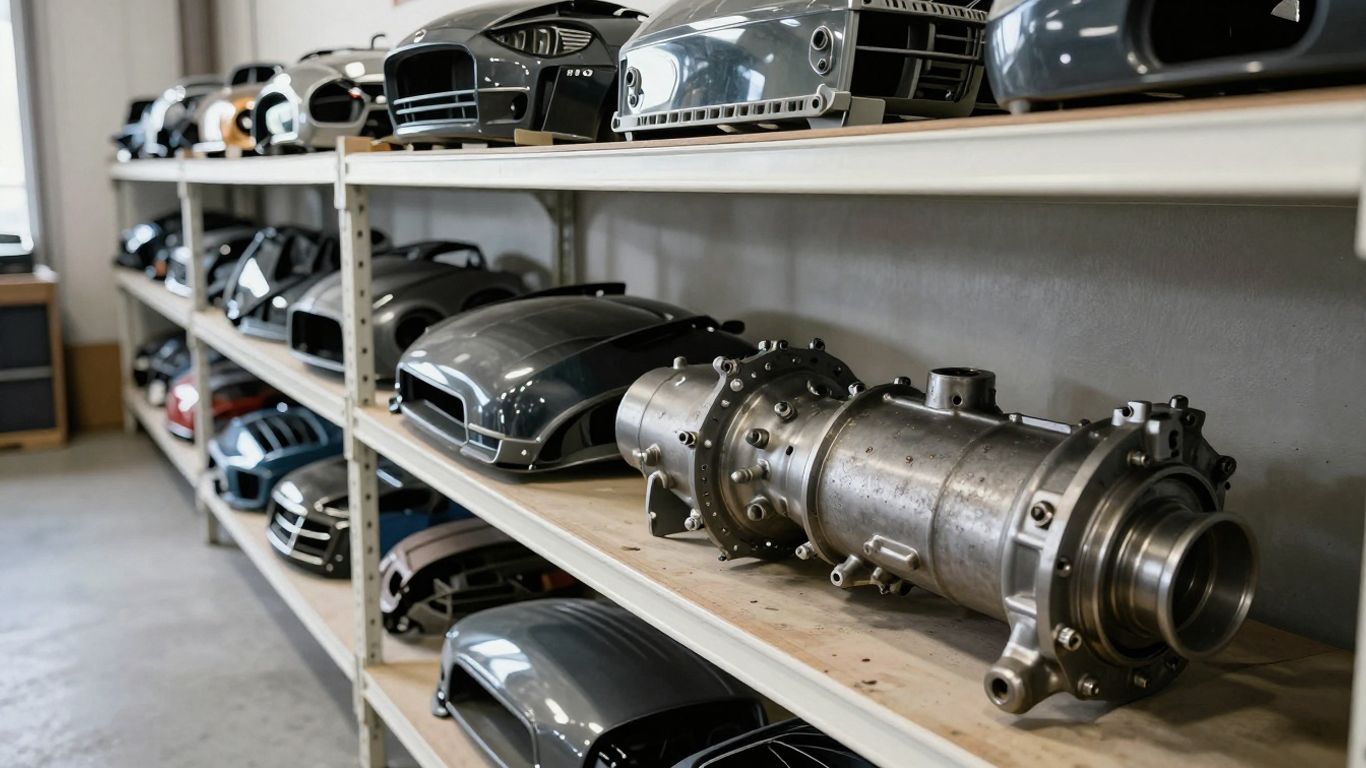
Whether you are performing a complex repair or a simple cosmetic fix, the parts you require are likely already circulating through the local salvage network. Understanding which high-demand items are typically available helps you streamline your search for replacements. Most professional wreckers organize these items systematically to make identification and extraction efficient.
Exterior body panels and cosmetic trim
Bumpers, hoods, and door panels are common requests for vehicles involved in minor collisions. Because these items are frequently pulled from cars retired due to issues unrelated to their chassis, they offer a perfect, paint-matched solution if you are lucky enough to find the same color.
Mechanical engine and transmission components
Businesses like Just Volks specialize in harvesting functional engines and gearboxes to provide affordable mechanical solutions for common failures. These expensive units are carefully extracted and inspected, ensuring that replacement engines can provide reliable service for thousands of additional kilometers.
Dashboard electronics and cabin control modules
Computers that govern climate control, infotainment, or instrument clusters are often available for significantly less than their new replacements. Because these delicate electronics are sensitive to proper handling, reputable wreckers ensure that they are stored in dry, climate-controlled environments.
Suspension parts and brake assemblies
Steering racks, control arms, and brake calipers are frequently salvaged from vehicles with low-to-moderate wear. These non-electronic mechanical parts are durable and can often be serviced or refurbished, representing a smart way to maintain handling performance without paying dealership prices.
Preparing to sell your end-of-life vehicle
When a vehicle reaches the end of its useful life, selling it to a professional wrecker is a responsible final step. Preparing the car properly not only speeds up the process but also ensures that you receive a fair appraisal based on the actual remaining utility of the parts. Taking a few moments to organize your paperwork makes the transition seamless and professional.
Documentation needed for the transfer of ownership
Having your registration papers and proof of ownership ready is vital for a smooth transition of the vehicle title. Wreckers must follow strict legal procedures to record the acquisition and subsequent dismantling of each car, which protects the previous owner from any future liability.
Clearing personal belongings and identifying accessories
Do a thorough search of your vehicle to remove personal items, including service logs, garage remotes, and small accessories. Collectors or wreckers appreciate when a vehicle is cleared of debris, as it allows them to focus immediately on the inventory assessment of useful hardware.
Getting an accurate quote based on vehicle condition
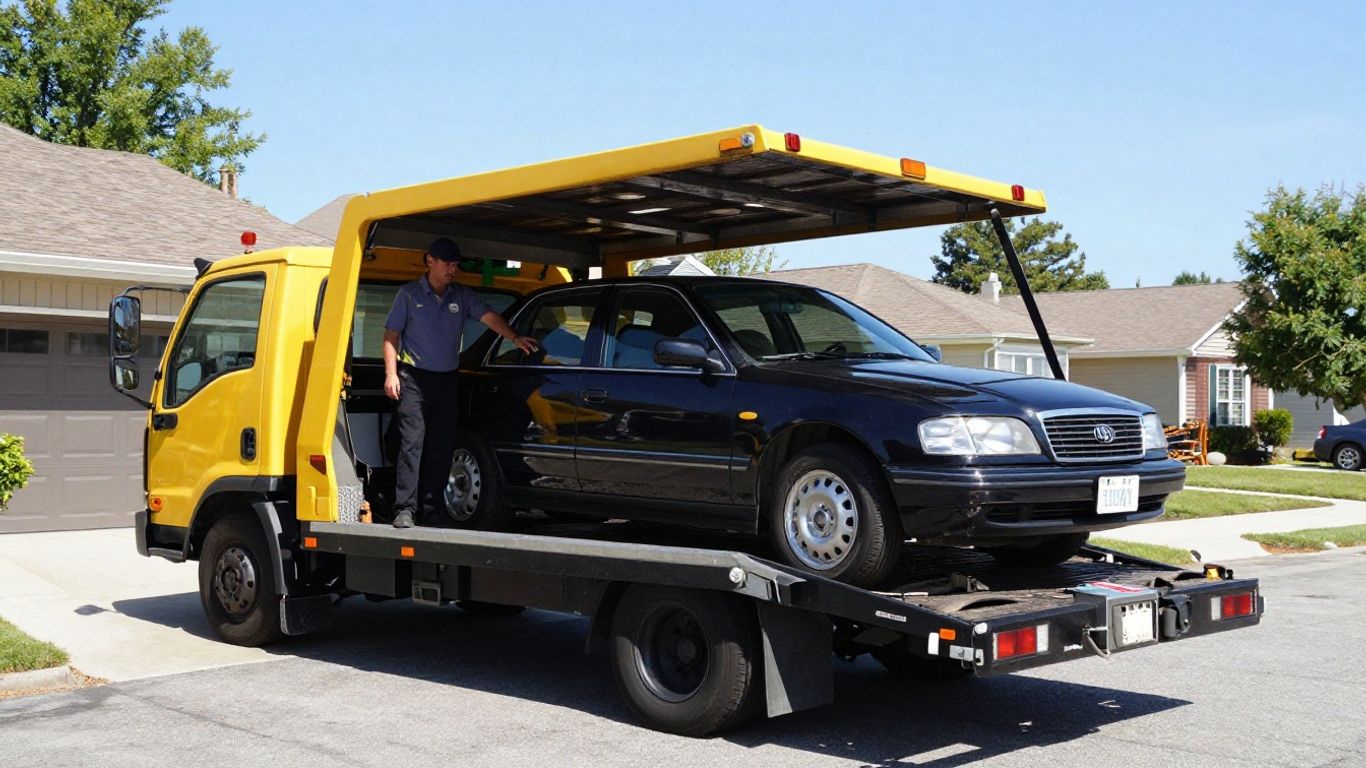
Be honest about the vehicle’s state, noting any major mechanical failures or missing panels during your initial inquiry. A precise description helps the professional provide a realistic estimate, which prevents any surprises or renegotiations once the tow truck arrives for collection.
Scheduling a convenient time for removal
Coordinate with the wrecker to find a time for removal that works best for your schedule, whether that involves a weekend or a mid-week pickup. Ensure the vehicle is parked in an accessible location so that the tow operator can load it quickly without blocking driveways or causing traffic issues.
Tips for inspecting and testing used components
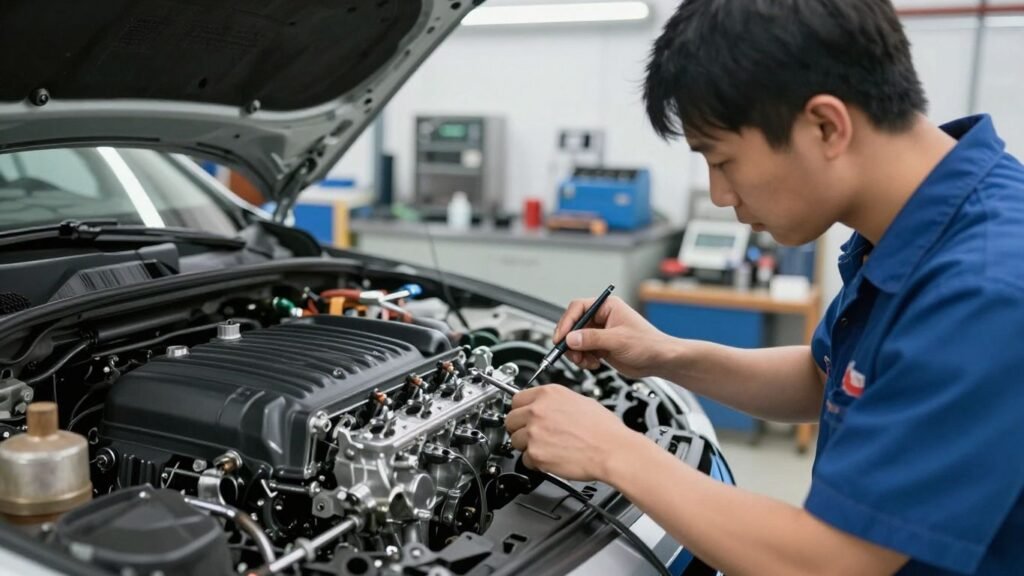
Even when buying from a trusted source like AutoPlus Wreckers, performing a quick inspection is a smart way to ensure the part is correct. Taking a methodical approach to evaluating a used component helps you identify potential problems before they ever reach your engine bay. Always rely on factory guidelines whenever they are available to cross-check your findings.
Cross-referencing part numbers with your VIN
Never rely on visual similarity alone when purchasing replacement parts for your German auto. Use your vehicle identification number to verify the exact production code of the required component, ensuring a perfect mechanical match and preventing assembly errors.
Examining visual indicators of damage or corrosion
Look closely at mounting points, electrical connectors, and fluid seals for signs of wear or oxidation. A clean, intact connector is a strong indicator that the electrical component has been handled professionally and likely functioned before being decommissioned.
Asking about prior testing of electronic modules
Whenever you buy a computer or controller, ask the staff if they have verified its status under power during the dismantling process. Knowing that an electronic unit was tested or at least pulled from a running vehicle significantly reduces the risk of encountering dead hardware.
Determining if the part requires professional coding
Many modern units require specific software synchronization to communicate correctly with the vehicle’s central computer. Before purchasing, verify whether the part can be installed by a hobbyist or if it strictly requires the use of specialized diagnostic devices handled by a professional mechanic.
Understanding ethical automotive recycling
Modern wrecking is a highly regulated industry that balances consumer demand for cheap parts with the need for environmental care. Practitioners in Western Australia must adhere to strict guidelines to keep local soils and waterways clean while maximizing the life of every harvested part. This commitment defines the modern landscape of the reuse industry.
Safe disposal of hazardous fluids and chemicals
Engine oil, coolants, and brake fluids are carefully drained into sealed containers to prevent leaks into the surrounding environment. By capturing these substances safely at the source, salvage yards demonstrate their commitment to preventing soil contamination during the dismantling phase.
Maximum resource recovery from derelict vehicles
Instead of discarding whole car shells into massive piles, professionals strip each vehicle to its base components. Metals are sorted into bins for recycling facilities, plastics are separated by type, and rubber is processed for other industrial uses, ensuring as much material as possible finds a second life.
Following local environment regulations in Western Australia
Compliance with provincial waste and hazardous material standards is non-negotiable for any legitimate salvage business in this region. These regulations demand that every step of the process, from initial storage to the final crushing of the frame, adheres to established environmental safety standards.
Contributing to a circular automotive parts economy
Replacing new-manufactured parts with salvaged ones reduces the total demand for fresh steel, aluminum, and rare materials. This cycle of reuse is a vital component of a sustainable economy, as it extends the utility of parts that were already built to last for thousands of operating hours.
Conclusion
Choosing professional Volkswagen wreckers in Perth is a practical decision that supports your vehicle’s longevity while embracing sustainable practices. By verifying part compatibility and understanding the value of recycled components, you can keep your car running reliably for years to come. Whether you need an obscure sensor or a major mechanical component, the local salvage network offers the most efficient and responsible path to finding the right fit for your German vehicle.