Key Takeaways
Transitioning to a replacement engine requires careful planning, from sourcing to final installation. These core steps ensure a successful transition for your vehicle.
- Sourcing high-quality engines from reputable Melbourne-based wreckers is the first step toward vehicle reliability.
- Always prioritize components with verified service records to avoid unexpected mechanical failures down the line.
- Using specific VIN and engine codes ensures exact compatibility with your VW model, trim, and transmission type.
- Weighing the total costs against professional rebuild options helps in making an informed financial decision.
- Partnering with a qualified Euro specialist guarantees correct installation and proper diagnostic module resets.
Finding reliable used Volkswagen engines in Melbourne
Locating an engine for a German vehicle in Victoria requires a methodical approach to ensure the part is fit for purpose. Many owners find that looking past generic listings toward specialized parts suppliers yields better long-term reliability. By vetting the source before committing to a purchase, you protect your investment and reduce the likelihood of repeated repairs.
Identifying reputable wreckers and distributors
Reputable suppliers focus on testing components before they reach the consumer market. It is often beneficial to engage with businesses that specialize specifically in European vehicle imports or dismantling. These suppliers typically possess a deeper understanding of the specific requirements of Volkswagen engines, ensuring that they categorize inventory correctly for buyers.
Verifying engine history and service records
An engine with a well-documented past is significantly safer to purchase than one without any background. Look for consistent oil change intervals and regular servicing stamps in a vehicle logbook. Even if the car was involved in a collision, evidence of a previous owner’s rigorous maintenance habits offers a better foundation for long-term power delivery.
Using VIN and engine code identification
The vehicle identification number, commonly known as a VIN, acts as the primary tool for cross-referencing compatibility. Every engine code is unique to the displacement, fuel type, and emissions configuration of that specific production year. Confirming these codes directly against your existing engine block prevents the frustration of buying an unit that fails to interface with your current wiring harness or ECU.
Checking local industry warranty policies
Most legitimate sellers provide a baseline guarantee for parts purchased through their shop. Understanding the specifics of these policies ensures you know exactly when a claim can be filed, such as for internal seal failure or unforeseen oil pressure issues. Always confirm if the dealer includes labor costs or only provides a replacement unit under their warranty terms.
Factors to consider before purchasing a used engine
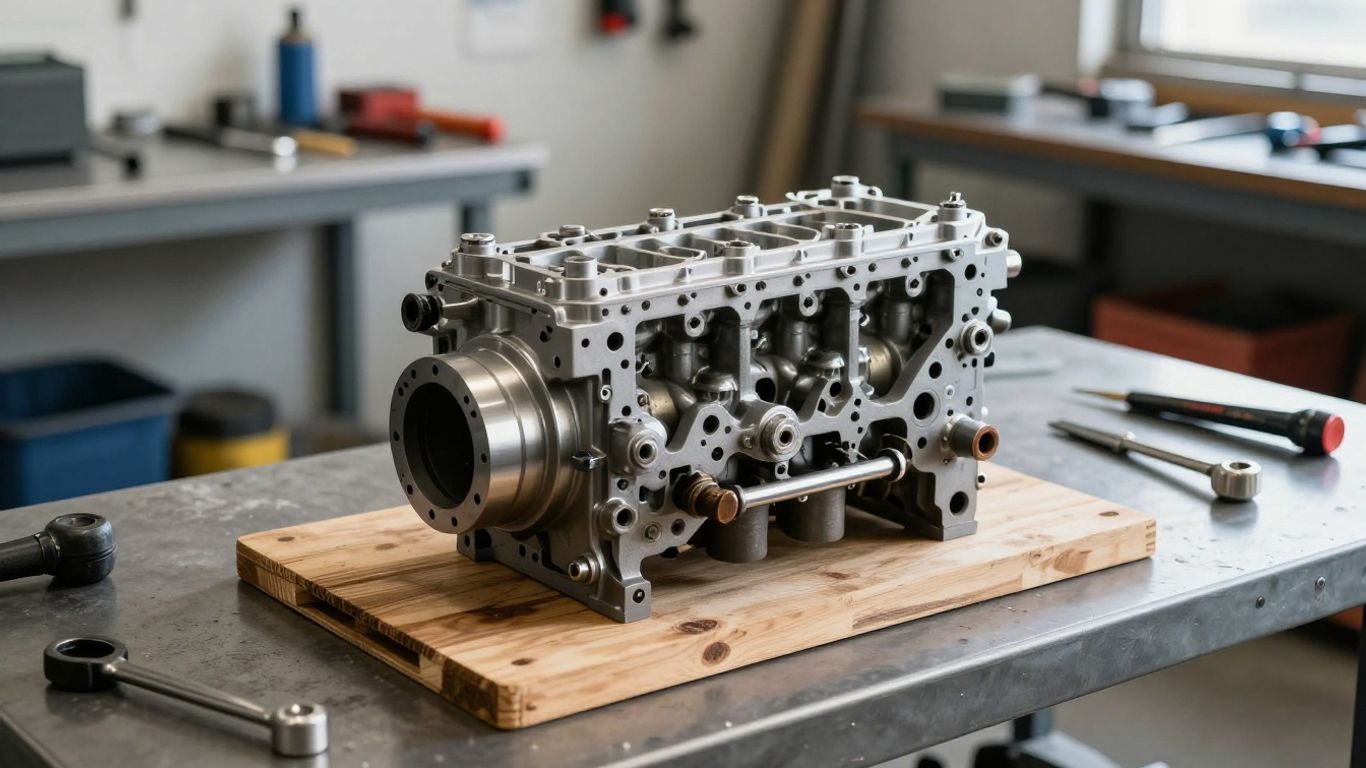
Selecting the right unit involves balancing immediate budget constraints against the anticipated lifespan of the engine assembly. You should never rush this decision, as the labor required to swap an engine is too significant to risk on a unit of questionable condition. Assessing the engine thoroughly minimizes the risk of early failure and maximizes the return on your mechanical investment.
Low-mileage versus high-mileage engine trade-offs
The number of kilometers on an engine provides a general snapshot of wear but does not tell the full story. A high-mileage unit that has been meticulously maintained can sometimes outlive a low-mileage engine that suffered from infrequent oil changes. While lower mileage is often preferred, judge the engine by its internal cleanliness and the overall state of the surrounding ancillaries.
Assessing the condition of internal components
Internal health can be partially gauged by inspecting the oil filter housing and looking for metal shavings or sludge accumulation. These signs often point to past neglect that might affect the longevity of rotating assembly parts in the future. If you have the ability to view the engine in person, these physical cues are essential for making a decision on quality.
Essential engine test procedures before purchase
Performing a compression test or a leak-down test is standard practice to verify the integrity of combustion chambers. These tests provide quantifiable data on how well the engine holds pressure, which is vital before considering installation. Professional shops often use these metrics to determine if an engine meets their internal standard for sale or requires further servicing.
Compatibility with your specific model year and trim
Volkswagen trim levels and model years sometimes share visual similarities while hiding significant differences in sensor placements or coolant routing. Pay close attention to the specific generation of your vehicle to ensure the control module communication remains seamless. Discrepancies here often cause persistent error codes that can haunt a project for weeks after the initial startup.
Evaluating the cost of engine replacement versus rebuild
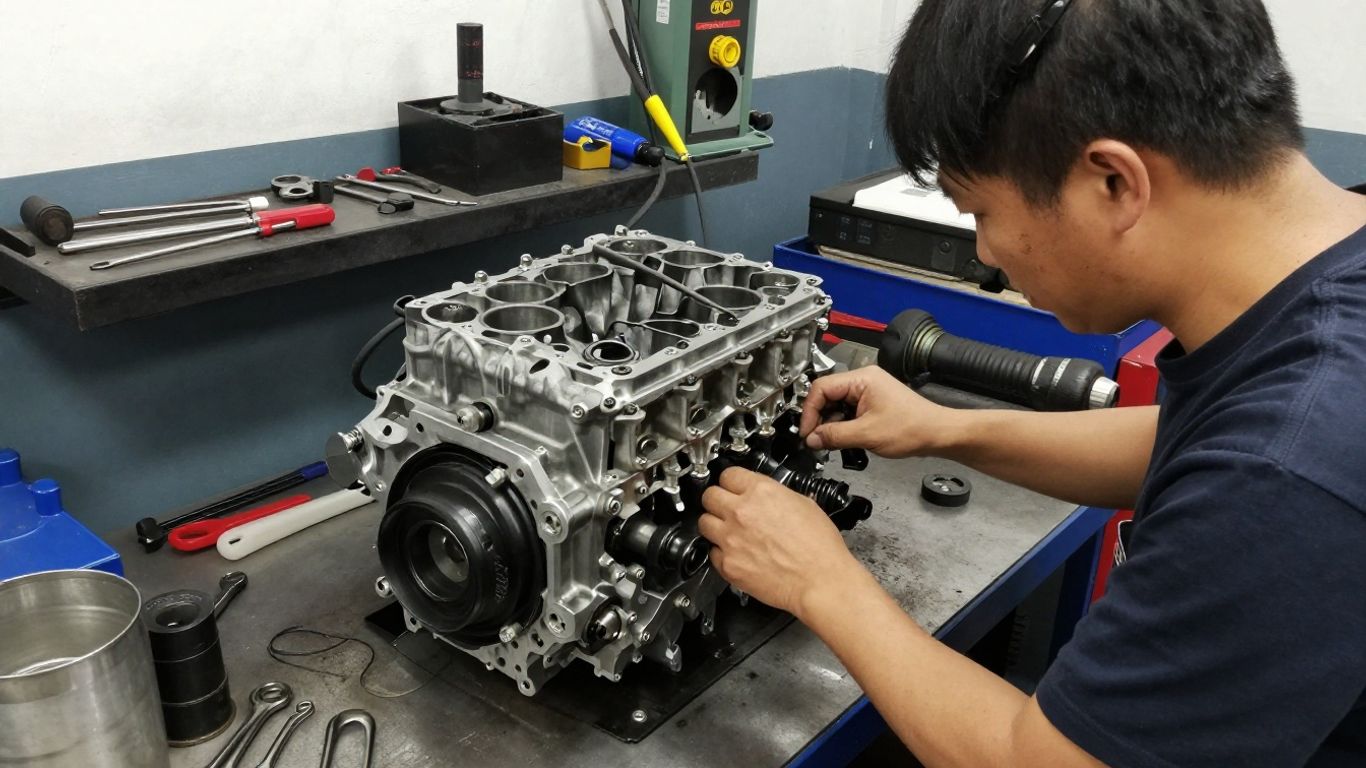
Deciding between replacing a unit or reconditioning your existing one requires looking at your vehicle’s total market value. While some seek to save money through salvaged parts, others find that a fresh rebuild offers better reliability for daily driving. Consider the following table when estimating your projected costs for parts and services:
| Expense Item | Typical Salvage Replacement | Professional Rebuild |
|---|---|---|
| Core Engine Cost | Moderate | High |
| Specialized Labor | Low | High |
| Ancillary Parts | Required | Included |
Comparing the price of salvaged engines in Melbourne
Salvaged engines offer a lower initial entry point but might require more supplementary work before they are ready for the road. The market for these parts fluctuates based on local demand and the specific scarcity of common VW engine configurations. Always request a written quote that clearly outlines the condition and included support components.
Accounting for labor and ancillary part costs
The engine itself is rarely the only expense, as you must account for new gaskets, timing belts, and cooling system hoses. These components are often cheap individually but add up quickly when replaced as a package during the installation process. Professionals often recommend treating these as mandatory replacements to ensure the new assembly remains reliable.
Calculating the long-term value of professional rebuilds
A complete rebuild addresses the root cause of engine wear, replacing every critical seal and worn bearing. This route is typically more expensive upfront but often bridges the gap between a vehicle’s end of life and a reliable daily driver. Many enthusiasts argue that this peace of mind is worth the extra time and money spent in the shop.
Managing diagnostic and shipping expenses
Logistics and diagnostics take up a surprisingly large portion of the budget when you are sourcing parts from outside your immediate area. Always incorporate potential freight fees and initial assessment costs into your financial planning. This comprehensive view prevents the project from stalling once payment has been processed but before the work actually begins.
Logistics of shipping and transporting engines
Transporting a heavy engine requires specialized knowledge to ensure it arrives without damage to fragile sensors or aluminium casings. Professional freight handlers usually understand how to manage these delicate internal components throughout the journey. Proper preparation at the shipping point determines the condition of the engine once it reaches the garage.
Navigating local Melbourne freight services
Local transport within the state is generally straightforward, provided you choose a firm with lift-gate capabilities. Large courier services are accustomed to moving automotive parts, but clear communication regarding the exact weight and dimensions is necessary. Avoiding residential delivery where possible can often speed up the transit time and minimize unloading complications.
Proper palletization and protection for transport
Securely strapping an engine to a wooden pallet prevents it from toppling during transit, which is a significant risk for heavy metallic items. Wrapping the assembly in heavy-duty plastic or using vacuum-sealed bags helps guard against moisture and dirt ingress while in storage. Never skimp on protective material, as vibrations during the drive can cause unintended damage to exposed electrical connectors.
Understanding insurance coverage during transit
Transit insurance provides a necessary safety net against the risks of loading and unloading accidents. Confirm that your chosen carrier includes coverage for the full market value of the engine, not just the weight-based compensation standard used by some freight companies. This extra layer of protection is often standard for specialized automotive part distributors.
Comparing local pickup versus delivery options
Collecting an engine yourself allows for a final physical inspection before the purchase is finalized, giving you direct control over the quality. However, utilizing a delivery service saves time and avoids the wear and tear of transporting heavy components. Evaluate your own storage facilities and ability to safely offload the engine at your destination before deciding between these two methods.
Installation and post-installation best practices
A professional exchange ensures that all sensors communicate correctly with the vehicle’s electronic control unit. Proper installation prevents long-term electrical issues and ensures the powertrain operates within factory specifications. Once the engine is secured, the process shifts toward configuring the software and monitoring performance.
Following manufacturer torque sequences during installation prevents component warping and maximizes the service life of critical seals once the engine warms up.
This meticulous attention to installation detail keeps the engine running smoothly. Skipping these steps often leads to mechanical issues that are difficult to diagnose months later. Always stick to the service manual’s specific instructions for your engine code during the build.
Selecting a qualified Melbourne-based Euro specialist
Euro-specialist workshops have the specific tooling and diagnostic software required to integrate a new engine without recurring errors. Their experience with these specific engines means they can spot potential issues that a general mechanic might overlook. Look for shops that provide clear explanations of the integration process and offer follow-up inspections as part of their service package.
Mandatory service items to replace during an engine swap
Replacing water pumps, timing chains, and tensioners while the engine is out of the vehicle is the most efficient use of shop time. Even if the replacement engine appears functional, these wearable items should be fresh to guarantee reliability in the short term. It prevents the need to pull the engine again later if a cheap rubber seal or plastic gear fails unexpectedly.
Clearing diagnostic trouble codes and module resets
Once the mechanical work is done, the electronic control unit must learn the parameters of the new engine to optimize fuel delivery and timing. This step often requires specialized diagnostic equipment to clear remnants of previous errors and reset the adaptation values. Failing to perform these resets can force the car into a limited performance mode or cause erratic idle symptoms.
Following break-in procedures for a replacement engine
Even a used engine needs a short period of operation to settle, which involves avoiding heavy loads during the initial few hundred kilometers. Drive cautiously and monitor temperatures to ensure there are no hidden coolant leaks or oil pressure concerns surfacing. Taking these precautions in the first week ensures the new setup remains stable for the many kilometers that follow.
Conclusion
Sourcing and installing a replacement engine is a rewarding endeavor that can extend the life of your vehicle when managed with diligence and precision. By following structured steps for identification, verification, and professional installation, you ensure that the engine remains a reliable heart for your car for years to come. Whether you choose a used unit or a full rebuild, focusing on quality and correct service procedures remains the best path forward for any Volkswagen owner.