Key Takeaways
A careful wrecking process can make it easier to find suitable Tiguan parts or arrange responsible disposal in Sunshine Melbourne.
- Used Tiguan parts may reduce repair costs when compatibility and condition are confirmed.
- Accurate vehicle details, photographs and part numbers help produce more useful free quotes.
- Mechanical, body, electrical and interior components may be available from dismantled vehicles.
- Testing, warranty terms, returns and installation requirements deserve attention before purchase.
- Damaged vehicles can often be assessed for salvage, removal, recycling or parts recovery.
How Volkswagen Tiguan wreckers in Sunshine Melbourne can help
Volkswagen Tiguan wreckers in Sunshine Melbourne can assist with two related needs: finding replacement components and deciding what to do with a vehicle that is no longer practical to repair. A dismantler may assess the vehicle, identify reusable parts and separate material suitable for recycling. For owners, the process can be more straightforward than trying to arrange each step independently.
Services offered by local wreckers and dismantlers
Local wreckers and dismantlers commonly deal with vehicle assessment, parts recovery, component sales and end-of-life vehicle handling. Their role is not limited to cars that have been completely destroyed; a damaged Tiguan may still contain useful doors, trim, suspension parts, glass or electronic components. Ask how the vehicle will be inspected and how parts are identified before agreeing to a purchase or disposal arrangement.
A useful first conversation should establish whether the wrecker can source the required part, provide a collection option and explain the expected timing. It should also clarify whether the quoted amount covers only the component or includes delivery and other services.
When to choose used parts over new replacements
Used parts can make sense when a new replacement is unusually expensive, no longer readily available or unnecessary for a cosmetic repair. They may also suit an older Tiguan whose remaining value does not justify fitting new components throughout. The right choice depends on the part, its condition and the repairer’s assessment rather than on price alone.
For engine, braking, steering and restraint-related items, ask for clear information about testing and suitability. For non-critical trim or body pieces, visible wear may be easier to accept if the colour, mounting points and finish are suitable. Compatibility comes before savings, particularly when several Tiguan variants look similar but use different components.
Vehicle disposal, salvage and recycling options
A wrecker may offer several pathways for a damaged or unwanted Tiguan, including salvage assessment, dismantling, collection and recycling of remaining materials. A vehicle that cannot be economically repaired may still have recoverable parts, panels, wheels or metals. The outcome will depend on its condition, completeness, location and demand for its components.
Ask what happens after collection and whether reusable parts are separated before the shell is processed. Responsible handling should include sensible recovery of usable materials and appropriate treatment of fluids and other waste. Written details are useful when you need a record of the disposal arrangement.
Benefits of requesting a free quote before deciding
A free quote gives you a starting point for comparing repair, sale and disposal options without committing immediately. For a parts request, it can reveal whether a used component is available and what information is needed to confirm the match. For a damaged vehicle, it can indicate whether its salvage value may offset removal costs.
The phrase Volkswagen Tiguan wreckers Sunshine Melbourne – free quotes is useful when searching for local assistance, but a search result alone is not enough to choose a provider. Request the quote directly, check what it includes and ask whether the amount may change after inspection. That small clarification can prevent an unpleasant surprise later.
What Volkswagen Tiguan parts you can source
The parts available from a dismantled Tiguan depend on the donor vehicle’s year, trim, drivetrain, damage and service history. One vehicle may provide a clean door or dashboard while another is more useful for mechanical components. A good enquiry describes the exact part needed instead of relying only on a broad model name.
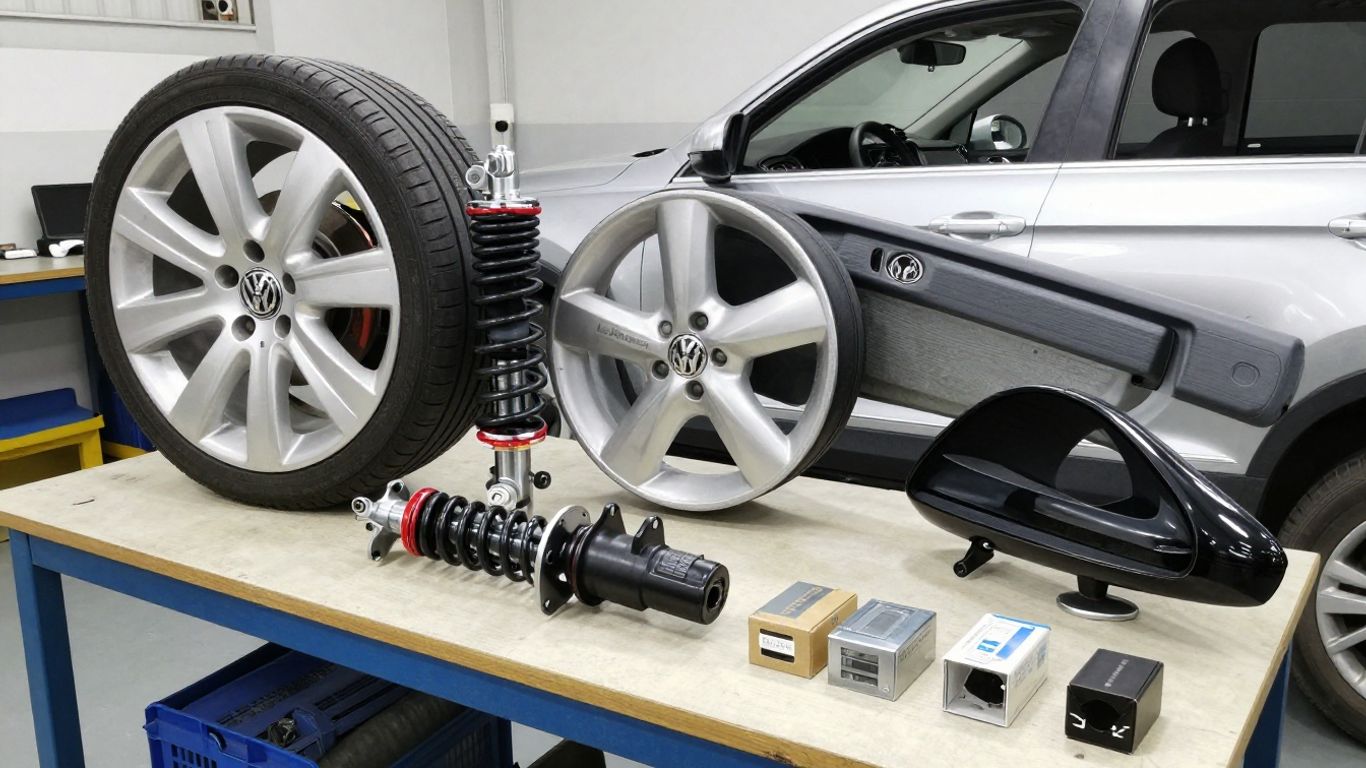
The following categories can help organise a request, although availability changes from one vehicle to the next. Matching the component by identification details is more reliable than assuming all Tiguan parts are interchangeable.
Commonly available mechanical components
Mechanical requests may include engines, gearboxes, cooling components, suspension assemblies, steering parts, driveshafts and selected braking hardware. Availability and condition vary considerably, so ask whether the component has been inspected and whether mileage or donor-vehicle information is known. A workshop can also advise whether a used assembly is appropriate for the planned repair.
Some mechanical parts are sold as complete assemblies, while others may be supplied separately. Confirm exactly what is included, such as sensors, brackets, accessories or attached lines, before comparing prices. This avoids paying for a part that still needs several missing pieces.
Body panels, lights and exterior parts
Doors, bonnets, guards, bumpers, mirrors, grilles, tailgates and lighting components are common subjects for wrecking enquiries. Exterior parts must be checked for dents, corrosion, mounting damage and colour differences. Even a panel that appears suitable in a photograph may need preparation or repainting before installation.
Give the wrecker the vehicle’s body style and, where possible, paint code or a clear photograph. For lights and mirrors, ask about lens condition, connectors and adjustment mechanisms. Small differences in design can affect fitment even when the parts appear almost identical.
Interior, electrical and safety components
Interior requests may cover seats, door trims, dashboards, consoles, switches and cargo-area fittings. Electrical items can include control modules, wiring-related components, displays and sensors, but their suitability should be verified carefully. Water exposure, impact damage and stored fault codes can make a used electronic part unsuitable.
Safety-critical equipment needs extra caution. Airbags, seat-belt assemblies and restraint-related modules should be assessed by a qualified professional and sourced with clear identification. Do not assume that an item is safe merely because it looks undamaged or came from a similar vehicle.
Matching parts by model year and trim level
A model name is only the beginning of a proper parts match. Year, engine, transmission, drivetrain, trim, body configuration and production changes can all matter. The vehicle identification number and the number printed on the original component are often the most useful references.
When a part is offered, compare connectors, mounting points, dimensions and manufacturer markings where applicable. If the seller cannot confirm the match, ask your mechanic to check before payment. A short delay is usually preferable to returning an incompatible component.
How to request accurate free quotes
The quality of a free quote depends largely on the quality of the information supplied. A short message saying “I need a Tiguan engine” may produce several follow-up questions because the vehicle can have different specifications. Clear details help the wrecker search its stock and give you a more realistic response.
Information to provide about your Tiguan
Start with the build year or model year, engine size, fuel type, transmission, drivetrain and trim level if known. Include the vehicle identification number when appropriate, along with the registration details or the original part number. Explain whether you need a complete assembly, a small component or a body panel.
For a vehicle disposal quote, describe the damage, whether the Tiguan starts, whether its wheels roll and whether major components are missing. The collection address also matters, especially if access is restricted or the vehicle is in a garage, car park or narrow driveway.
Photos and part numbers that improve quote accuracy
Photographs can answer questions that a written description leaves open. Take clear images of the entire vehicle, the damaged area, the existing component and its label or stamped number. Include a wider view when showing a panel so the wrecker can understand its position and surrounding damage.
Part numbers should be copied carefully rather than guessed from memory. If the label is dirty or partly obscured, send several photographs from different angles. These details reduce the chance of receiving a quote for a visually similar but technically different component.
Comparing prices, warranties and availability
A low price is not automatically the best value if the part is untested, incomplete or difficult to return. Compare the quoted condition, availability, warranty period and expected dispatch or collection time. Also ask whether the price is firm or subject to a final inspection.
A simple comparison can keep the decision grounded in practical terms. Look at what each quote includes, how quickly the part can be supplied and what happens if it does not fit. The cheapest option may cease to be economical once extra freight, diagnosis or return costs are added.
Understanding collection, delivery and fitting costs
A parts quote may cover the component only, with delivery charged separately. A vehicle removal quote may similarly depend on location, access, whether towing equipment is needed and whether the vehicle is complete. Ask for these costs in writing so the total is clear before you proceed.
Fitting is often a separate arrangement. Some components can be changed easily by an experienced owner, while others require diagnosis, coding, calibration or specialist equipment. Confirm who is responsible for installation and whether the warranty has any conditions relating to fitting.
How the Volkswagen Tiguan wrecking process works
Wrecking is a staged process rather than a single act of removing parts. The vehicle is first assessed, then suitable components are dismantled, checked and recorded. Remaining materials can be directed toward salvage or recycling according to their condition.
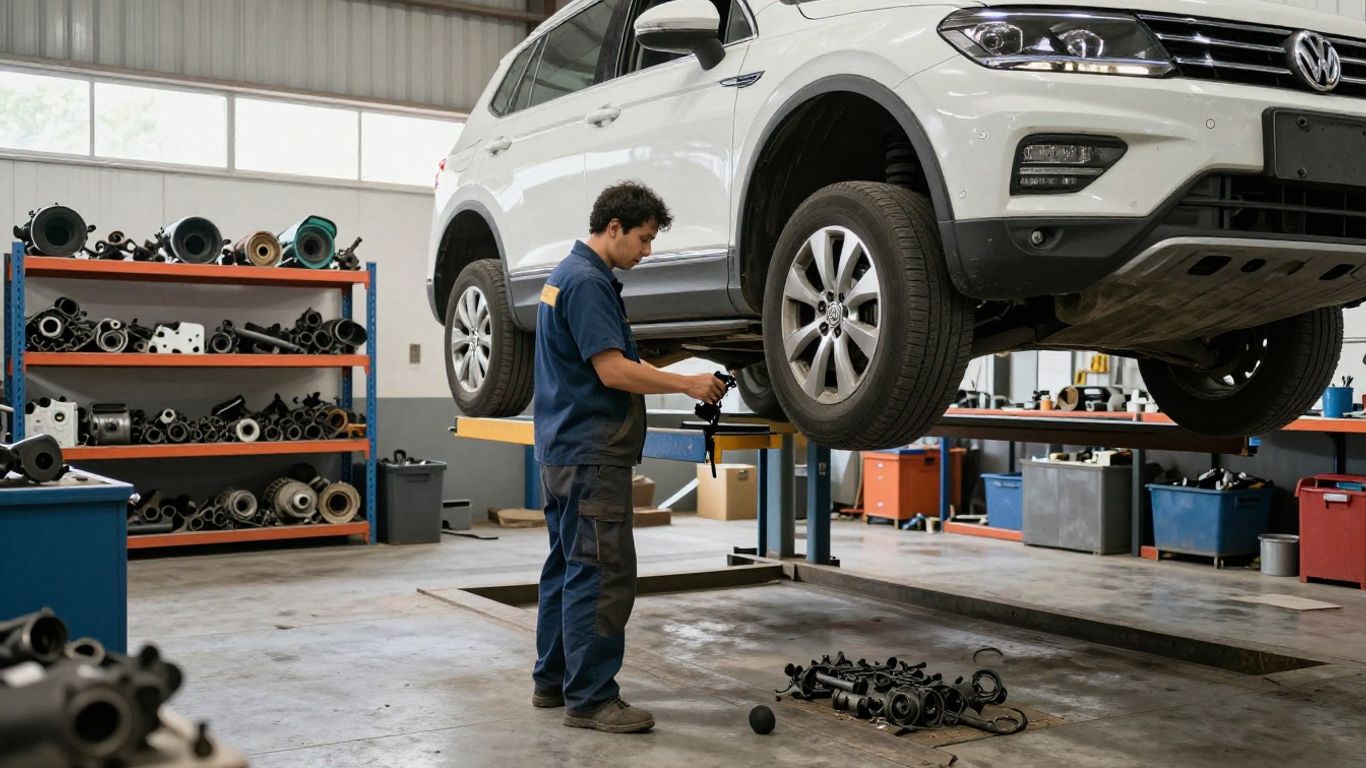
Knowing the general sequence helps you ask better questions about a part or an unwanted vehicle. It also explains why a quote may be provisional until the wrecker has inspected the Tiguan in person.
Vehicle inspection and parts assessment
The first assessment considers the vehicle’s identity, damage, completeness and likely parts demand. A front-end collision may leave rear bodywork and interior components usable, while flood or fire damage can affect much more than the visibly damaged area. Mechanical condition, mileage and service records may also influence what is worth recovering.
The assessment should distinguish between parts that appear reusable and those that require further checks. If you are selling the vehicle, provide an honest description of its condition. Accurate information makes the quote more dependable and reduces delays during collection.
Dismantling, testing and cataloguing components
Once the vehicle is accepted for dismantling, reusable components are removed with attention to their identification and condition. Parts may be cleaned, inspected and recorded so they can be matched to future enquiries. The level of testing depends on the component and whether it can be assessed safely outside the vehicle.
Ask what testing has been completed before buying a used part. For an electronic module, that may involve checking connectors and operation; for a mechanical assembly, it may involve inspection for damage, wear or missing pieces. The seller should be able to describe the condition in plain terms rather than offering only a generic label.
Preparing parts for collection or delivery
Before collection or delivery, parts should be protected against movement, moisture and impact. Large panels need suitable wrapping and support, while smaller electrical items benefit from secure packaging and protection around connectors. Confirm the expected collection window or dispatch timing before arranging your repair.
Check the package when it arrives and compare it with the agreed description. Photographing obvious damage before installation can help if you need to discuss a transport issue or a mismatch. Keep the invoice and any warranty information with the part’s records.
Handling unneeded vehicles through salvage services
When a Tiguan is no longer wanted, salvage services may assess whether it should be collected for parts recovery, material recycling or another disposal pathway. The vehicle’s completeness, access, location and damage all affect the practical arrangement. Ask whether the quoted service includes removal and what documentation will be provided.
A clear disposal plan protects both the owner and the vehicle’s remaining value.
After agreeing to the arrangement, remove personal belongings and confirm how registration and ownership paperwork should be handled. Do not leave those administrative details until the tow truck is already on its way.
How to choose a reliable Sunshine Melbourne wrecker
A reliable wrecker should communicate clearly from the first enquiry through to collection or delivery. You should be able to ask about part condition, identification, testing, returns and costs without receiving vague answers. Local familiarity can also help when a vehicle needs to be collected from Sunshine or a nearby Melbourne suburb.
Checking licensing, reviews and local experience
Look for evidence that the business operates lawfully and has experience handling vehicles and parts similar to yours. Reviews can reveal patterns in communication, delivery, quote accuracy and after-sales support, although individual experiences vary. Check several sources and pay attention to recent comments rather than relying on one testimonial.
Ask how long the business has handled Volkswagen vehicles and whether it regularly deals with Tiguan parts. A straightforward answer about its process is more useful than a broad claim about being the best. You can also request the business details that apply to a vehicle sale or disposal.
Confirming parts quality and testing procedures
Before purchasing, ask whether the part has been inspected, tested or sold as untested. Find out what damage, wear or missing accessories have been identified. This matters particularly for engines, gearboxes, electrical modules and safety-related components.
The description should match what you receive. If a part is sold for repair or refurbishment, that should be clear before payment. Written condition notes and photographs provide a useful reference when the component is being sent from a distance.
Reviewing return policies and warranty coverage
Return and warranty terms can differ by part type and seller. Confirm the coverage period, exclusions, installation requirements and process for reporting a fault. Ask whether freight is refundable and whether the original packaging or labels must be retained.
Do not treat a warranty as a substitute for checking compatibility. A part may be functional but still unsuitable for your specific engine, trim or electrical system. Verify the match first, then review the warranty as additional protection.
Asking about environmentally responsible recycling
Vehicle recycling involves more than sending a damaged car away. Ask whether reusable parts are recovered, how fluids and batteries are handled and what happens to the remaining metal and materials. Clear answers suggest that disposal is being treated as a managed process rather than an informal transfer.
If you need proof of disposal or collection, request it in advance. This can be helpful for your records and for completing any registration-related administration. A responsible operator should explain the paperwork it can provide.
Important checks before buying used Tiguan parts
Used parts can be a sensible repair option, but the purchase deserves the same care as any other vehicle component. Compatibility, condition and installation requirements should be considered together. A part that looks inexpensive may not be useful if it needs extensive modification or fails shortly after fitting.
Confirming compatibility with your exact vehicle
Match the part against the vehicle identification number, model year, engine, transmission, drivetrain and trim. Compare the original part number when available, and ask about superseded numbers or design changes. Your mechanic may be able to confirm fitment before you commit.
Avoid relying only on photographs or a broad description such as “Tiguan parts.” Similar-looking items can use different connectors, brackets or software. Written confirmation of the match is worth requesting, particularly for a costly component.
Inspecting condition, mileage and service history
Ask how the part was removed and what is known about the donor vehicle. Mileage, service history, storage conditions and visible wear can all help you judge whether the component is suitable. For body parts, inspect dents, corrosion, paint differences and mounting points.
For mechanical parts, ask what checks have been made and whether fluids, seals or related consumables need replacement. Used does not mean automatically poor quality, but it does mean the condition should be described honestly and specifically.
Verifying electronic and safety-critical components
Electronic parts may need coding, programming or calibration after installation. Confirm whether the supplied item is compatible with the vehicle’s existing systems and whether additional work is expected. Safety-critical components deserve particular care because an incorrect or damaged part can create serious risks.
Have airbags, seat-belt systems, braking components and restraint modules assessed by qualified professionals. Do not install a safety component based only on a visual inspection. If the history of an item is uncertain, ask whether another option is safer and more appropriate.
Planning professional installation when required
Some parts can be fitted by an experienced owner, but others require workshop equipment, specialist knowledge or post-installation calibration. Ask for an estimate of labour before buying so the total repair cost is realistic. The installer should also be able to check the replacement part before it is fitted.
Professional installation can be especially valuable for electrical, steering, braking, suspension and restraint-related work. Keep records of the part supplied and the work completed. These details can help with future diagnosis or a warranty discussion.
Selling or disposing of a damaged Volkswagen Tiguan
A damaged Tiguan may still have value even when an insurer or repairer considers it uneconomical to fix. The vehicle can be assessed as a source of parts, salvage or recyclable material. A clear description and convenient access will help a wrecker decide whether collection is practical.
How vehicle condition affects its salvage value
Value is influenced by the location and extent of damage, the vehicle’s completeness, age, mileage and demand for its parts. A non-running Tiguan with intact interior and rear components may be assessed differently from one affected by fire, flooding or extensive stripping. Tyres, keys, glass and major mechanical assemblies may also affect the assessment.
Photographs of all sides, the interior, the engine bay and the damage can support an initial estimate. Be honest about missing parts and mechanical faults. A quote based on accurate information is more useful than a higher figure that changes after inspection.
Documents needed for a wrecking or removal quote
Have the vehicle’s make, model, year, registration details and location ready. You may also need proof of ownership or identity, depending on the transaction and the operator’s requirements. If the Tiguan has been declared a total loss, explain whether an insurer or finance provider still has an interest in it.
Ask which documents will be required before collection. Preparing them early can prevent a delay and make the handover cleaner. Keep copies or photographs of anything you sign or submit.
Arranging towing from Sunshine and nearby Melbourne suburbs
When requesting towing, describe the vehicle’s exact location and access conditions. Explain whether it is on a public road, behind a gate, in a basement, on soft ground or blocked by another vehicle. A non-running car may require different equipment from one that can be steered and rolled.
Agree on the collection time, contact person and any fees before the tow is arranged. If the quote includes removal, ask whether there are conditions related to distance, access or vehicle completeness. Good preparation helps the collection proceed without unnecessary waiting.
Cancelling registration and managing personal items
Before handover, remove personal possessions, toll tags, documents, keys that are not needed and any valuable accessories you intend to keep. Check the registration authority’s current requirements for cancelling registration, transferring ownership or returning plates. Requirements can change, so verify them through the relevant official channel.
Keep a record of the vehicle identification details and the disposal or sale paperwork. Once the vehicle has left, those records can help confirm what was agreed and support any remaining administrative steps. Do not assume towing alone completes every registration obligation.
Conclusion
Whether you need one replacement component or a complete disposal pathway, a careful enquiry makes the process easier. Provide accurate Tiguan details, compare the full cost of each option, confirm compatibility and ask how parts are tested and covered. With those checks in place, Sunshine Melbourne vehicle wreckers can be considered on practical value, clear communication and responsible handling rather than price alone.