Key Takeaways
Navigating the process of vehicle recycling in the city requires choosing reliable partners who emphasize quality and environmental standards. These fundamental points summarize effective vehicle management.
- Identifying reputable providers prevents common maintenance issues.
- Salvaged components offer significant cost savings over new.
- Proper documentation ensures a smooth transfer of ownership.
- Recycling practices keep harmful materials from entering landfills.
- Professional assessment is necessary for non-running vehicles.
Understanding the role of Volkswagen wreckers in Sydney
Local facilities focused on German-engineered vehicles provide a unique ecosystem for owners to manage end-of-life cars or find necessary spare parts. By focusing purely on specific manufacturers, these yards ensure a deep knowledge of parts compatibility and mechanical requirements for various models.
How professional wrecking yards operate
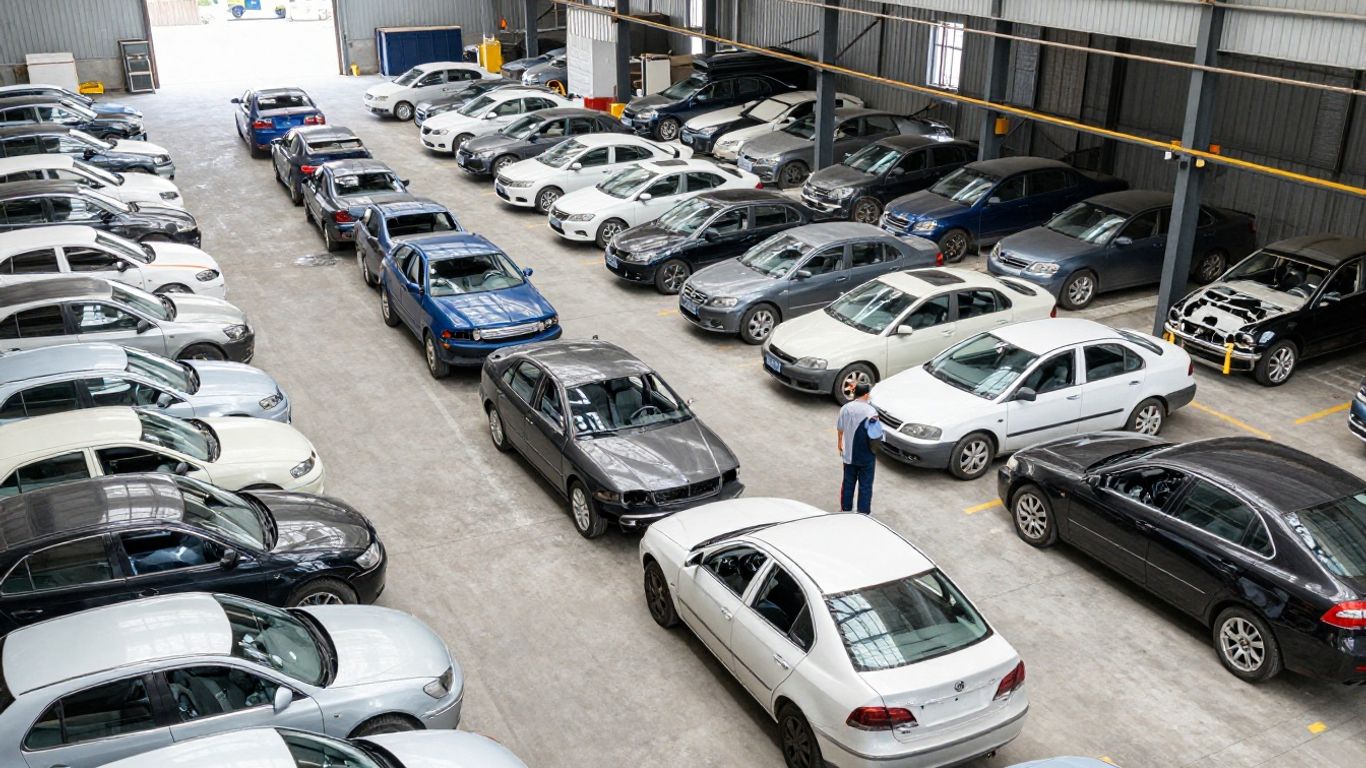
Professional yards function as specialized hubs where end-of-life vehicles are meticulously dismantled by skilled mechanics. Once a car arrives at a site like Just Volks, the team inventories every usable component, ensuring that vital engine parts and electrical systems are cleared for secondary market availability.
The difference between salvage yards and auto recyclers
While traditional salvage yards often focus on immediate scrap metal volume, modern auto recyclers prioritize the systematic extraction of functional components. These recyclers typically organize their stock by model and year, making it far easier for technicians to find specific parts for older or discontinued German models.
Benefits of choosing specialized Volkswagen wreckers
Selecting a specialized service center ensures that mechanics understand the nuanced engineering of your vehicle. Because these specialists focus exclusively on the brand, you avoid the common mismatch issues found at general scrap yards, making repairs much more cost-effective and efficient for the owner.
Finding high-quality spare parts for your VW
Locating reliable replacements for your car is essential for safety and optimal performance. Utilizing the inventory from established Sydney professionals helps ensure that components remain true to manufacturer specifications while remaining affordable for the average driver.
Assessing the condition of salvaged components
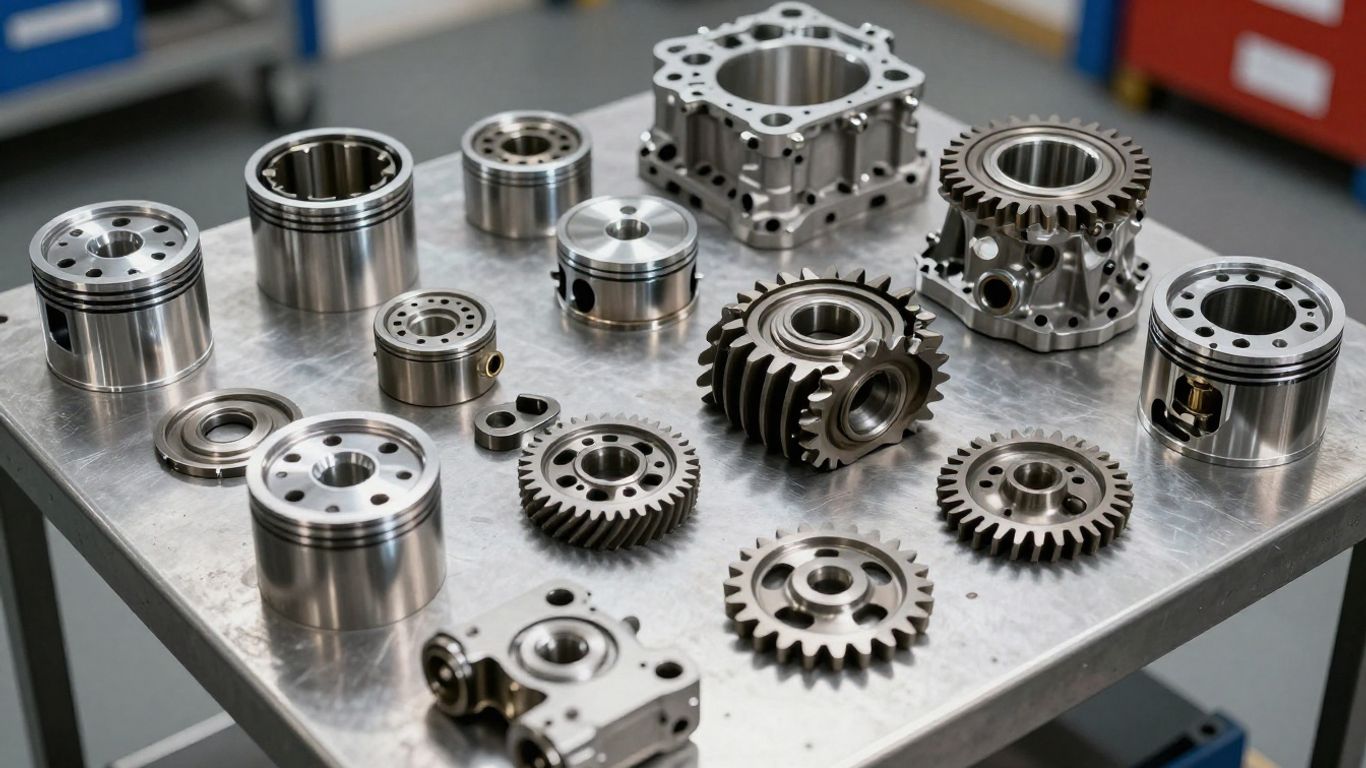
Before finalizing a purchase, you should evaluate the history and physical state of any unit recovered from a donor vehicle. Understanding what to look for determines the long-term reliability of your repair job.
| Part Category | Inspection Focus | Expected Integrity |
|---|---|---|
| Transmission | Gear teeth wear | Moderate to High |
| Alternator | Coil resistance | High |
| Body Panel | Rust and alignment | Structural Check |
Reviewing these indicators helps you distinguish between items ready for immediate installation and those that might require additional refurbishment.
Compatibility checks for different VW models
Every model, from a classic Beetle to a modern Passat, uses specific technical specifications that cannot be ignored. Cross-referencing your vehicle identification number with the donor part ensures that mechanical integration occurs without custom machining or modifications.
Verifying the authenticity of OEM parts
Genuine original equipment manufacturer parts maintain the reliability expected from your vehicle. Checking for factory markings and serial numbers helps confirm that you have obtained authentic components rather than low-quality aftermarket knock-offs.
Pricing structures compared to new dealership components
Fairfield Auto Parts typically manages pricing by evaluating original value against remaining operational life. This model allows drivers to acquire vital mechanical units at a fraction of the cost found at authorized dealerships, without sacrificing basic safety standards.
Selling your vehicle to Sydney area wreckers
If your vehicle has reached the limit of its roadworthiness, selling it to a professional service is often the best path forward. This process involves a systematic valuation and removal plan that respects your time.
Preparing your Volkswagen for a fair appraisal
Clean the interior and ensure that all personal belongings are removed before the appraiser arrives. Presenting a car that has basic components intact often yields a higher offer during the initial valuation stage.
Documentation requirements for legal vehicle transfer
Legal transfer necessitates clear communication regarding title status and registration records. Having your identification and proof of ownership ready allows for immediate, legal processing of the transfer paperwork upon collection.
Factors affecting the valuation of non-running vehicles
Engine condition remains the primary driver behind any salvage quote provided by Volkswagen Wreckers Sydney. Secondary factors include the scarcity of specific trim components, the condition of the glass, and whether the transmission components remain fully salvageable.
Avoiding common pitfalls during vehicle removal
Ensure you verify whether the removal service includes free towing or extraction costs in the final offer. Clear communication regarding the pickup location and any accessibility constraints prevents unexpected fees or delays during the pickup day.
Environmental impact of professional vehicle recycling
Professional recycling plays a crucial role in minimizing the automotive industry’s carbon footprint. By pulling functional components out of the waste stream, these yards help reduce the demand for new resource extraction, which benefits the local ecosystem in New South Wales.
Safe disposal of harmful fluids and batteries
Fluids such as oil, coolant, and brake fluid are removed using specialized extraction equipment to prevent soil contamination. Batteries contain materials that require isolated handling to ensure they do not leach heavy metals into the surrounding environment during the storage phase.
Repurposing scrap metal and interior components
Materials retrieved from a discarded vehicle undergo sorting processes to prepare them for industrial recycling or reuse in other manufacturing sectors.
The recovery of secondary materials from older vehicles prevents millions of tons of steel and plastic from entering regional waste streams each year, showcasing the inherent value of circular manufacturing practices.
Once raw metals are separated and cleaned, they are processed into reusable manufacturing materials that support new industrial applications.
Compliance with New South Wales environmental regulations
Registered facilities must adhere to strict state guidelines regarding waste oil storage and hazardous material containment. These compliance measures ensure that the recycling process minimizes long-term ecological risks to urban residential areas.
Choosing the right wrecking service in Sydney
Selecting a partner requires diligent research to ensure they have the expertise to handle German imports safely. Reputation and transparency stand as the most important indicators of a professional operation.
Checking industry certifications and regional licenses
Verify that the provider holds valid automotive licenses issued by the relevant regulatory body in New South Wales. Proper certification demonstrates that the business meets necessary safety and ethical standards for vehicle management.
Evaluating customer reviews and local business reputation
Long-standing businesses often feature feedback that highlights their reliability regarding part delivery and fair valuation practices. Look for recurring themes in customer experiences, particularly regarding how team members addressed logistical issues.
Assessing delivery and on-site pick-up capabilities
Robust logistical infrastructure allows a service to move vehicles or ship delicate parts without damage. A professional team with dedicated logistics staff ensures that your spare parts arrive on time for your planned mechanical interventions.
Testing the responsiveness of customer service teams
Reach out to their support line with a specific inquiry about a part or vehicle appraisal to gauge their speed and knowledge. A service that responds clearly to technical questions is far more likely to provide the professional support you require.
Practical tips for DIY repairs using used parts
Successfully integrating second-hand components requires patience and the right set of expectations. While many projects are manageable, understanding the limits of your own mechanical skills is vital for safety.
Essential tools for extracting components safely
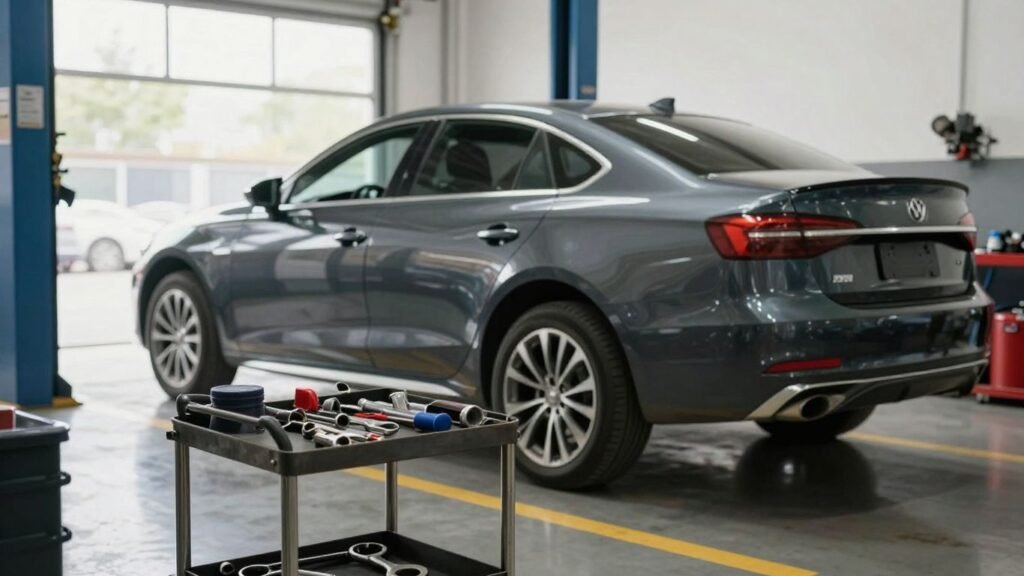
Using the correct wrench sizes and specialized sockets protects bolt heads while you work. Preparing your workspace with adequate lighting and secure lifting platforms is the first step toward a successful donor part extraction.
Knowing when to seek professional mechanical installation
Complex tasks like transmission replacement or advanced electrical system repairs often require specialized diagnostic software. If you lack the tools for electronic calibration, consult a professional to ensure that safety-critical systems remain functional.
Managing expectations for aesthetic wear on used units
Mechanical functionality does not always track with physical appearance, as many salvaged parts show minor cosmetic surface marks. Focus your evaluation on the structural integrity of the unit rather than the paint or surface finish of the exterior casing.
Understanding warranty options on refurbished salvaged parts
Reputable suppliers often provide limited warranties to cover defects discovered during the initial period of operation. Always ask about these terms before your final purchase to ensure your investment is protected if the component fails to perform.
Conclusion
Effectively utilizing professional recycling services enables car owners to lower their maintenance costs while contributing to a sustainable cycle of component reuse. By choosing reputable partners in the city, you ensure that your vehicle repairs remain supported by high-quality inventory and responsible environmental practices.