Key Takeaways
A careful approach makes it easier to find suitable recycled parts and avoid costly mistakes when repairing a Touareg.
- Confirm the Touareg’s year, engine, trim, and VIN before ordering.
- Compare the complete used-part cost with new and refurbished alternatives.
- Ask how a part was tested, stored, and covered by warranty.
- Inspect visible wear and request clear photos for remote purchases.
- Choose a wrecker with transparent pricing, returns, and recycling practices.
Understanding Volkswagen Touareg wreckers on the Gold Coast
A Volkswagen Touareg wrecker dismantles unwanted, damaged, or end-of-life vehicles and makes usable components available to other owners. The process can provide a practical alternative when a new part is expensive, backordered, or no longer easy to source. Local businesses may also make inspection, pickup, and vehicle disposal more convenient. The best results come from treating the purchase like any other repair decision: identify the exact part, check its condition, and confirm it will suit the vehicle.
What a specialist wrecker does
A specialist wrecker assesses vehicles, removes reusable components, catalogues them, and prepares them for sale. Parts may be cleaned, photographed, tested, or stored until a customer needs them. Dismantling also separates materials that can be recycled rather than sending an entire vehicle to landfill. For a Touareg owner, this means one conversation may cover parts sourcing as well as the responsible disposal of an unwanted vehicle.
Why choose used Touareg parts
Used parts can reduce the purchase price of a repair while retaining the benefit of an original component from a compatible vehicle. They are especially worth considering for body trim, interior fittings, suspension pieces, and other items where a new replacement may be disproportionate to the vehicle’s value. The lower price is not the only consideration, though. Compatibility matters more than bargain pricing, because an incorrect part can create extra freight, labor, and return costs.
Models, engines, and generations commonly available
Touareg parts vary substantially across generations, engine families, drivetrains, equipment levels, and production years. A component that looks identical may have a different connector, mounting point, software requirement, or specification. Give the wrecker the model year, engine size, transmission type, drivetrain details, and trim information whenever possible. The more precise the initial description, the less time is lost sorting through unsuitable stock.
When a wrecker is better than a dealership
A wrecker may be a sensible first option when the vehicle is older, the repair is outside a factory warranty, or the required component is cosmetic or non-critical. A dealership remains useful for new parts, technical diagnosis, software-related work, and items where a documented factory specification is essential. The decision should reflect the part’s function and risk, not simply a preference for new or used. For safety-critical work, have a qualified technician assess the replacement before installation.
Finding the right Volkswagen Touareg parts
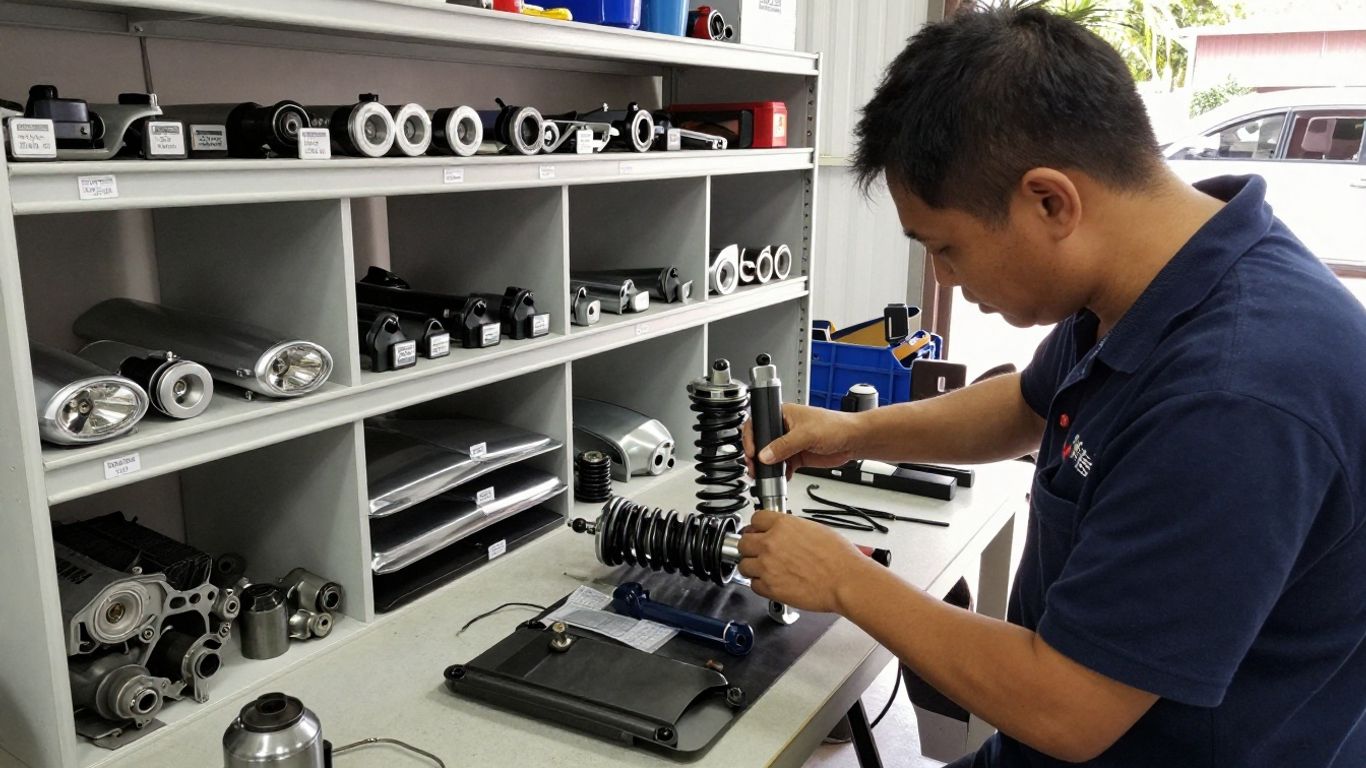
Finding the right component starts with a clear description rather than a broad request for “Touareg parts.” Have the registration details, VIN, part number, and photographs available if possible. A dismantler can then search its own inventory or explain what alternatives may be available. The following image captures the kind of organized inspection that helps when comparing components in person.
Mechanical components worth sourcing used
Engines, gearboxes, differentials, driveshafts, control arms, steering components, and selected cooling parts may all be available through vehicle dismantlers. Their suitability depends on mileage, service history, corrosion, accident damage, and whether the donor vehicle had the same specification. Ask for the donor vehicle’s details and any available testing information. Have a mechanic check seals, bushings, bearings, and mounting surfaces before committing to a major installation.
Body panels, lights, and interior parts
Doors, guards, tailgates, bumpers, mirrors, grilles, seats, switches, trim, and cargo-area fittings are often practical used purchases. Cosmetic parts should be checked for dents, scratches, fading, broken tabs, and color differences. Lighting assemblies also need close attention to lens damage, moisture, ballast requirements, and connector style. Request photographs from several angles when the part cannot be inspected locally.
Electronic modules and specialist equipment
Electronic modules require more care than a simple visual match. Differences in software, coding, connectors, security pairing, and vehicle equipment can prevent a module from working after installation. Ask whether the component has been tested and whether programming or specialist setup will be needed. A used module may still be worthwhile, but the purchase should include a realistic plan for diagnosis and installation.
Matching parts by VIN and vehicle specifications
The VIN is one of the most reliable ways to narrow a search, but it should be used alongside the vehicle’s build details and the mechanic’s diagnosis. Record the original part number, connector arrangement, dimensions, and any identifying marks. A table like the one below can help organize the information before contacting several suppliers.
| Information to provide | Why it helps | Example detail |
|---|---|---|
| VIN | Narrows vehicle specification | Full 17-character VIN |
| Model year | Separates generation changes | 2014 |
| Engine and transmission | Identifies mechanical variations | V6 diesel, automatic |
| Part number | Supports direct comparison | Number from original component |
After gathering these details, send them together rather than in separate messages. That gives the supplier a clearer basis for confirming fitment and reduces the chance of an avoidable mismatch.
How to assess used Touareg parts before buying
Condition is not always obvious from a listing or a short phone conversation. A low price may reflect ordinary wear, incomplete testing, missing accessories, or damage that is difficult to see in one photograph. Ask specific questions and keep the answers with the invoice or order record. If the part affects braking, steering, restraint systems, or structural safety, let a qualified repairer make the final call.
Checking condition, mileage, and wear
Ask how many kilometers the donor vehicle had covered and whether the part came from a running vehicle or an accident-damaged one. Look for fluid leaks, cracks, corrosion, heat damage, worn mounting points, and missing fasteners. For body and interior items, assess both appearance and attachment points. Mileage is useful context, but it is not a guarantee of condition; maintenance and storage history can matter just as much.
Confirming compatibility with your model
Compatibility should be checked before payment, not after the package arrives. Compare the part number, model year, engine, transmission, drivetrain, connector, and physical dimensions with the original component. Some parts also depend on optional equipment, such as parking sensors, adaptive lighting, or a particular audio system. When uncertainty remains, ask the technician who diagnosed the fault to confirm the proposed replacement.
Asking about testing and quality guarantees
A reputable seller should be able to explain what was inspected or tested and what the warranty actually covers. Clarify whether the guarantee applies to parts only, excludes labor, or requires professional installation. Also ask about the return period, freight responsibility, and the procedure for reporting a fault. Written terms are far easier to rely on than a vague assurance given over the phone.
A used part is a better purchase when its condition, fitment, and return path are clear before money changes hands.
That principle is particularly useful for remote orders, where photographs cannot reveal every connector, mounting point, or internal fault. A few direct questions can prevent a cheap component from becoming an expensive delay.
Understanding refurbished versus recycled parts
A recycled part is generally removed from a donor vehicle and offered in its existing used condition, subject to the seller’s inspection. A refurbished part has undergone additional work intended to restore or improve its serviceability, though the exact process varies by component and supplier. Neither label is enough on its own. Ask what work was performed, which items were replaced, and what testing supports the description.
Buying Volkswagen Touareg parts on the Gold Coast
Buying locally can make inspection and collection simpler, while remote ordering may provide access to a wider inventory. Either way, start with the same information: exact component, vehicle specification, condition preference, and delivery requirements. Keep the mechanic involved if the repair is technically complex. A clear request often produces a better answer than a rushed search for the lowest advertised price.
Visiting a local wrecker or dismantler
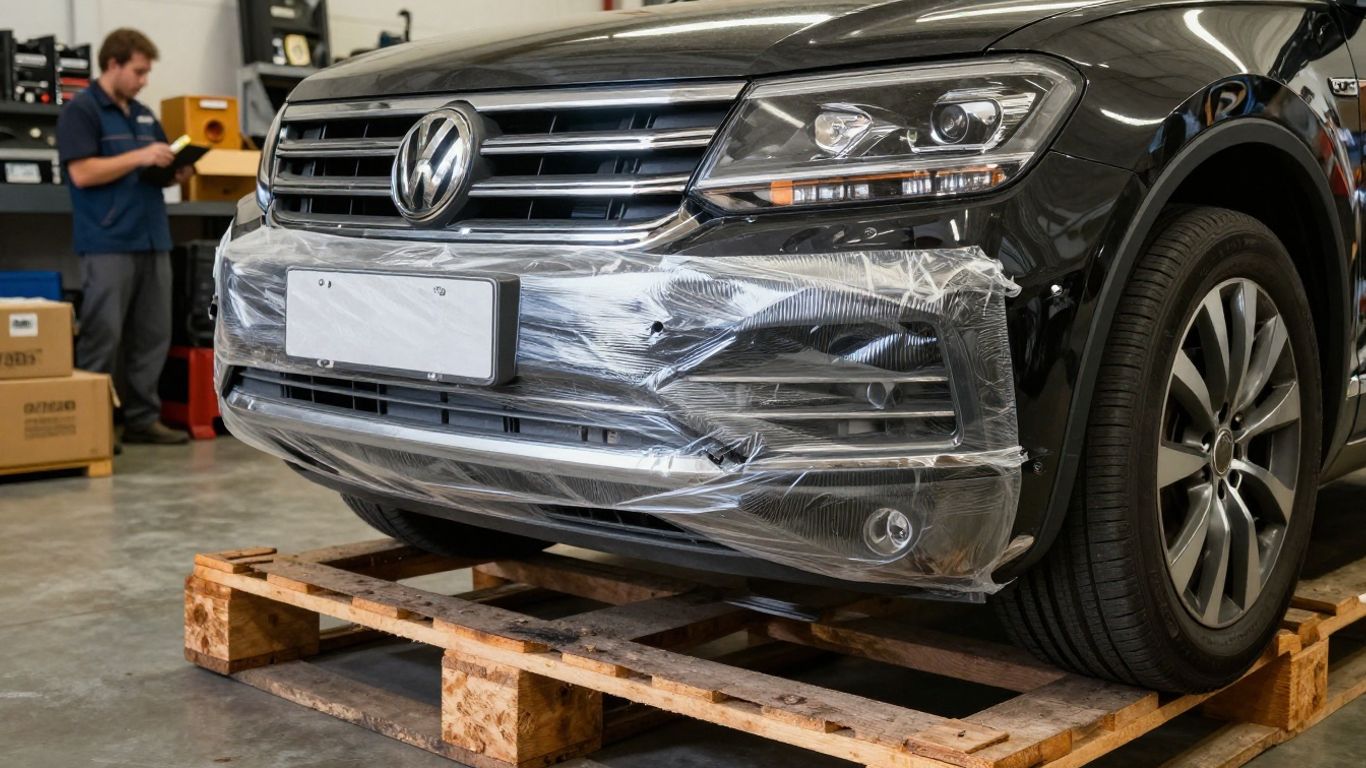
A local visit lets you inspect paint, trim, connectors, seals, and mounting points before purchase. It can also help you compare several similar components and discuss installation concerns in person. Call ahead to confirm the part is still available, since stock can change quickly. Bring the old component or detailed photographs if removing it from the vehicle is impractical.
Ordering parts online or by phone
Online and phone orders work best when the request includes the VIN, part number, photographs, and a concise description of the fault. Ask the seller to confirm the exact item being supplied, including brackets, sensors, covers, or wiring that may be shown in the photograph. Before paying, check whether the listing price includes taxes, packaging, and freight. Save the listing and written confirmation in case a return is needed.
Comparing prices, availability, and delivery
Price comparisons should cover more than the component itself. Include inspection fees, seals or associated hardware, freight, return costs, programming, installation labor, and the effect of waiting for delivery. A slightly more expensive part that is tested and nearby may cost less overall than an uncertain bargain shipped interstate. Availability also matters when the vehicle is already occupying a workshop bay.
Arranging pickup or freight across Australia
For local pickup, confirm opening hours, payment methods, loading requirements, and whether the part will be safely packaged. For freight, provide an accurate delivery address and ask how fragile or heavy items will be protected. Large panels, glass, engines, and transmissions may require different transport arrangements. Inspect the package before signing where possible, and photograph any visible damage immediately.
Selling or disposing of a Volkswagen Touareg
A Touareg that is badly damaged, uneconomical to repair, or missing major components may have more practical value as a donor vehicle than as a road car. A wrecker can assess reusable parts and materials while arranging removal, subject to its own policies and local requirements. Before accepting an offer, understand what happens to the vehicle after collection. The process should be straightforward, documented, and safe for everyone involved.
When wrecking is more practical than repairing
Compare the repair estimate with the vehicle’s current value, likely resale value, and the cost of hidden faults that may appear once work begins. Flood damage, major collision damage, drivetrain failure, and persistent electrical problems can all change the calculation. Cosmetic damage alone does not automatically make wrecking the best option. Obtain an independent assessment if the decision is unclear, particularly for a vehicle with strong service history.
Documents and information to prepare
Prepare identification, registration details, the VIN, service records, keys, finance information, and any written repair assessment. Tell the buyer about missing parts, accident history, flood exposure, and whether the vehicle can roll or steer. Accurate information helps produce a fairer assessment and avoids delays during collection. Requirements can vary, so confirm the documents needed before arranging the handover.
How vehicle valuations are determined
A valuation may consider the Touareg’s age, model, engine, completeness, condition, location, demand for reusable parts, and current metal value. A running vehicle with sought-after components may be assessed differently from a stripped or immobilized shell. The offered amount can also reflect towing, handling, and administrative costs. Ask which factors shaped the quote and whether it is conditional on an in-person inspection.
Safe collection and responsible recycling
Remove personal belongings and protect the area around the vehicle before collection. If the Touareg is on private property, make sure the access route is suitable for a tow truck and disclose tight gates, underground parking, or uneven ground. Fluids, batteries, tires, and refrigerants should be handled through appropriate recycling or disposal processes. Keep confirmation of the transfer or disposal for your records.
Saving money on Touareg repairs with recycled parts
Recycled parts can lower repair spending, but savings only count when the component solves the original problem. Start with an accurate diagnosis, then compare realistic replacement paths. A mechanic can identify related items that should be replaced at the same time, which may avoid paying for labor twice. The goal is a reliable repair at a sensible total cost, not simply the smallest invoice for one part.
Comparing used parts with new alternatives
Request comparable prices for used, refurbished, and new components where each option is technically suitable. Consider warranty length, expected service life, availability, and installation requirements alongside the purchase price. New is often preferable for certain wear items or safety-critical components, while a used original panel or trim piece may be perfectly reasonable. The right choice depends on the component and the vehicle’s condition.
Calculating total repair costs
Write down the part price, shipping, diagnostic time, installation labor, fluids, seals, programming, and possible return freight. For an engine, transmission, or electronic module, include any inspection or adaptation work that may be required after fitting. This simple calculation exposes bargains that are not actually economical. It also gives you a clearer basis for discussing options with the repairer.
Avoiding low-quality or incorrect components
Be cautious when a listing lacks a part number, donor details, clear photos, or written terms. A component that is nearly right may still be unusable because of a connector, software, mounting, or equipment difference. Do not modify a safety-related part to force a fit. If the seller cannot answer basic questions about origin and compatibility, moving on may be cheaper than correcting the mistake later.
Working with a trusted Volkswagen specialist
A technician familiar with Volkswagen vehicles can distinguish a failed component from a related wiring, sensor, or coding issue. They can also advise whether a used part is sensible for the repair and identify the exact specification before ordering. Share the supplier’s part details with the workshop in advance. That small step can prevent delivery of a component the technician cannot install or verify.
Choosing a reliable Volkswagen Touareg wrecker
The supplier matters as much as the part. Look for clear communication, traceable stock information, realistic condition descriptions, and terms that are easy to understand. A professional operation should be willing to discuss fitment and limitations rather than promise that every component will suit every Touareg. Take time to compare service quality, not just headline prices.
Checking business reputation and customer reviews
Read recent reviews for patterns involving communication, packaging, accuracy, refunds, and after-sales support. One unhappy comment may not tell the whole story, but repeated complaints about incorrect parts or unclear pricing deserve attention. Ask your mechanic or local automotive community for practical recommendations. A business that responds sensibly to criticism may inspire more confidence than one with only brief, generic praise.
Verifying warranties and return policies
Before ordering, ask how long the warranty lasts, what evidence is required for a claim, and whether labor is excluded. Confirm the return window, restocking conditions, and who pays freight when the wrong part is supplied or a fault appears. Electronic and special-order components may have different rules. Keep the invoice, correspondence, and photographs of the received part until the repair has been completed.
Asking about dismantling and recycling practices
Responsible dismantling includes safe handling of fluids, batteries, tires, refrigerants, and other regulated materials. It also means protecting reusable parts during removal and sorting residual materials for appropriate recycling. Ask how vehicles are processed and whether hazardous materials are managed through approved channels. Good environmental practice is a useful sign that the business takes its broader responsibilities seriously.
Questions to ask before placing an order
Ask whether the part is physically in stock, what vehicle it came from, its mileage, and what testing was completed. Confirm the exact part number, included accessories, price, warranty, return process, and estimated dispatch time. For large components, ask how they will be packaged and whether pickup is available. Written answers create a useful record and make the final decision much less uncertain.
Conclusion
Finding suitable recycled parts for a Touareg on the Gold Coast is mainly a matter of accurate identification, careful condition checks, and honest cost comparisons. Use the VIN and original part details, involve a qualified technician for complex repairs, and choose a wrecker that explains its testing, warranty, delivery, and recycling processes clearly. That approach can make an otherwise stressful repair or disposal decision more manageable.