Key Takeaways
Buying a used Volkswagen engine or gearbox is less about finding the cheapest listing and more about confirming the right part, history, condition, and installation plan.
- Match the replacement part using the vehicle identification number, engine code, and gearbox code.
- Ask for mileage, donor vehicle details, testing information, included components, and warranty terms.
- Compare the full cost of a recycled part with rebuilt and new alternatives, including labour.
- Inspect for leaks, wear, damage, and missing accessories before completing the purchase.
- Use a qualified mechanic and replace related fluids, seals, and service items during installation.
Finding the right Volkswagen wreckers in Parramatta NSW
A suitable dismantler can make a difficult Volkswagen repair much more manageable. Local stock may reduce delays, while clear records and sensible warranty terms give you a better basis for deciding. The phrase Volkswagen wreckers Parramatta NSW – used engines & gearboxes covers a broad search, so narrow it by model, year, engine, transmission, and the part you actually need.
What Volkswagen wreckers typically offer
Volkswagen wreckers commonly dismantle vehicles that are no longer economical to repair and recover usable components from them. Depending on stock, that may include engines, gearboxes, body panels, interior parts, electrical components, suspension items, and smaller fittings. Ask whether the part has been inspected, tested, cleaned, or simply removed from a donor vehicle.
A useful enquiry includes the exact model and year, engine size, transmission type, and whether you need a complete assembly or a smaller component. This gives the dismantler enough information to search existing stock rather than offering a vague match.
Why local dismantlers can simplify parts sourcing
A Parramatta dismantler may be easier to deal with when you need to discuss a part in detail or inspect it before purchase. Local collection can also avoid freight damage and make an exchange less complicated if the component is not compatible. Even when a part must be shipped, a nearby business may provide a practical point of contact for photos and measurements.
Do not assume that a local address means the part is immediately available. Confirm that the item is physically in stock, already removed, and ready for collection or dispatch. A short call can prevent paying for a listing that describes a general category rather than a specific unit.
Checking licences, warranties, and business credentials
Before paying, check the business name, contact details, written quote, and terms supplied for the part. A credible seller should be willing to explain what was tested, what is included, how long the warranty lasts, and what conditions could invalidate it. Written terms matter because verbal assurances can be difficult to rely on later.
Ask whether the warranty covers the part only or also contributes to labour, freight, or related damage. You should also clarify the process for reporting a fault, the time allowed for inspection, and whether the replacement must be fitted by a qualified mechanic.
When to choose recycled parts over new replacements
A recycled engine or gearbox can make sense when the original unit has suffered major internal damage but the rest of the vehicle remains worth repairing. It may also suit an older Volkswagen whose market value does not justify an expensive new assembly. The decision should be based on total installed cost and expected service life, not the purchase price alone.
New parts may be preferable when reliability, warranty length, or exact specification is more important than upfront savings. A rebuilt unit can sit between the two options. Compare what each option includes and whether the quoted price covers essential ancillary parts.
Choosing a used Volkswagen engine
A used engine deserves more investigation than a quick visual check. Its condition depends on mileage, servicing, storage, the donor vehicle, and how long it has been out of operation. Start with identification and history, then consider testing and installation requirements before committing to a purchase.
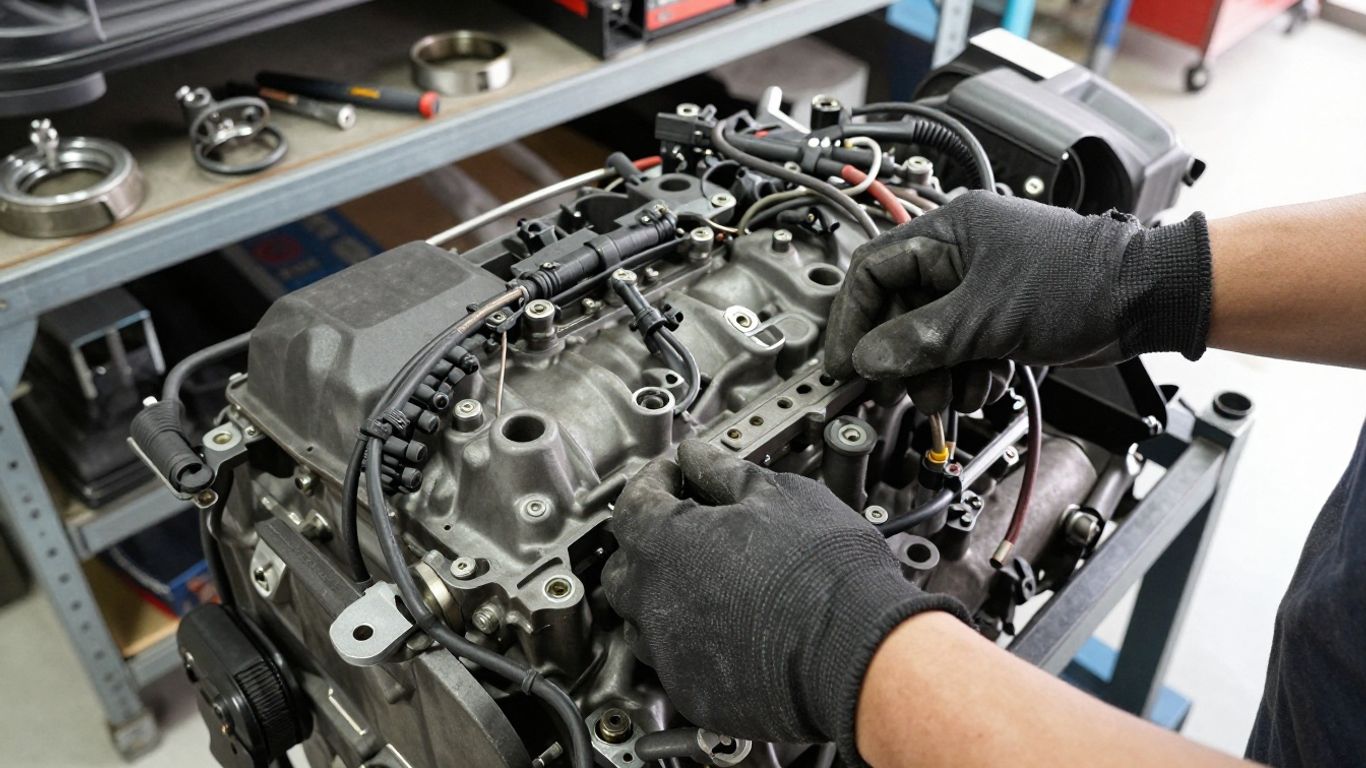
Common signs that an engine is worth buying
Look for a complete engine with no obvious cracks, severe corrosion, broken mounting points, or signs of impact damage. Oil contamination, damaged connectors, missing sensors, and open intake or exhaust ports can indicate poor storage or additional work. Photos help, but they do not replace a close inspection of the actual unit.
Ask whether compression, leak-down, oil-pressure, or running tests were performed. The available test depends on how the engine was removed, so the seller should explain what evidence supports the condition claim. A clean exterior is useful, but it cannot prove the state of internal components.
Matching engine codes, model years, and specifications
The engine code is often more useful than the model name alone because one Volkswagen model can have several engines across different years and markets. Confirm displacement, fuel type, turbocharging, emissions equipment, sensors, mounts, and control-unit requirements. A similar-looking engine may still require substantial changes before it can operate correctly.
Provide the full vehicle details to the dismantler and compare them with the code stamped or recorded on the replacement. Do not rely on a listing that says only “fits Golf” or “fits Passat” without specifying the relevant generation and engine family.
| Replacement detail | Why it matters | What to confirm |
|---|---|---|
| Engine code | Identifies the engine family and specification | Code on donor and vehicle records |
| Model year | Equipment and wiring can change | Production year and generation |
| Fuel and displacement | Determines basic operating requirements | Petrol or diesel, capacity, turbo setup |
| Ancillary equipment | Some assemblies are sold incomplete | Sensors, manifolds, starter, alternator |
This comparison helps separate a genuinely compatible assembly from one that merely shares a model name. If any detail is unclear, pause the purchase and have a mechanic or Volkswagen specialist verify it.
Comparing complete engines with replacement components
A complete engine may reduce the amount of rebuilding required, but it can cost more and may include accessories you do not need. A long motor, short motor, cylinder head, or bare block may be more suitable when the original engine has serviceable external equipment. The right choice depends on what failed and what can safely be transferred.
Ask for a precise inventory of the assembly. Clarify whether the injectors, turbocharger, fuel system, wiring, flywheel, clutch, intake, exhaust, and sensors are included. Matching these details early prevents an apparently inexpensive engine from becoming a collection of extra purchases.
Questions to ask about mileage and vehicle history
Mileage is useful context, but it is not a complete condition report. Ask how the mileage was recorded, what happened to the donor vehicle, whether the engine was running before removal, and whether it had known overheating, oil-pressure, timing, or cooling-system problems.
Also ask how the engine was stored after removal and whether openings were sealed. A written answer is preferable to a casual estimate. If the history is limited, price the part conservatively and allow room for preventive work before installation.
Selecting a used Volkswagen gearbox
Gearboxes vary considerably even within the same Volkswagen model range. Manual and automatic transmissions may use different codes, mounts, electronics, fluids, and control systems. Treat the gearbox as a matched driveline component rather than a generic replacement box.
Manual and automatic gearbox options
First identify whether the vehicle uses a manual, conventional automatic, dual-clutch transmission, or another automatic configuration. The replacement must match the vehicle’s drivetrain, clutch or torque-converter arrangement, shifter system, and electronic controls. A transmission with the same number of ratios may still be unsuitable.
Ask whether the quoted gearbox is supplied as a bare transmission or with the differential, mechatronic unit, torque converter, clutch-related parts, sensors, and mounts. The answer affects both compatibility and the real repair budget.
Identifying transmission codes and compatibility
Transmission codes should be compared with the vehicle records and the code on the donor unit. Confirm the drivetrain layout, final-drive ratio, mounting points, shaft arrangement, and electronic connections. This is especially important when the vehicle has been imported or when parts have previously been replaced.
A mechanic can often identify a safe interchange using the vehicle identification number and workshop data. If the seller cannot provide a transmission code or clear donor information, regard that uncertainty as a cost risk rather than assuming the box will fit.
Checking for wear, leaks, and shifting problems
Inspect the casing for cracks, impact marks, stripped threads, and fluid leaks around seals or mating surfaces. On a manual gearbox, ask about gear engagement, bearing noise, and synchroniser wear. On an automatic or dual-clutch unit, ask whether there were shift faults, warning lights, slipping, delayed engagement, or overheating before removal.
A short inspection cannot reveal every internal defect, but it can identify warning signs worth discussing. The following principle is useful when evidence is incomplete:
A low purchase price is not a saving if the gearbox requires removal and repair twice.
Use the inspection findings to negotiate a clearer warranty or select another unit. Once fitted, a gearbox problem can involve substantial labour even when the replacement itself was inexpensive.
Understanding included components and warranty coverage
Warranty coverage should describe the exact gearbox, the period covered, and the conditions for a valid claim. Find out whether installation must be completed within a set time, whether the fluid must be replaced, and whether the seller requires proof of professional fitting.
Confirm which components are included before comparing quotes. A bare gearbox and a tested complete assembly are not equivalent purchases, even if both are described as automatic or manual replacements. Keep the invoice, code details, photographs, and installation records together.
Confirming Volkswagen part compatibility
Compatibility is the point where many used-part purchases succeed or fail. Model names are only a starting point; production changes, engine codes, transmission codes, market specifications, and previous modifications can all affect fitment. Verify the part before arranging freight or dismantling the vehicle.
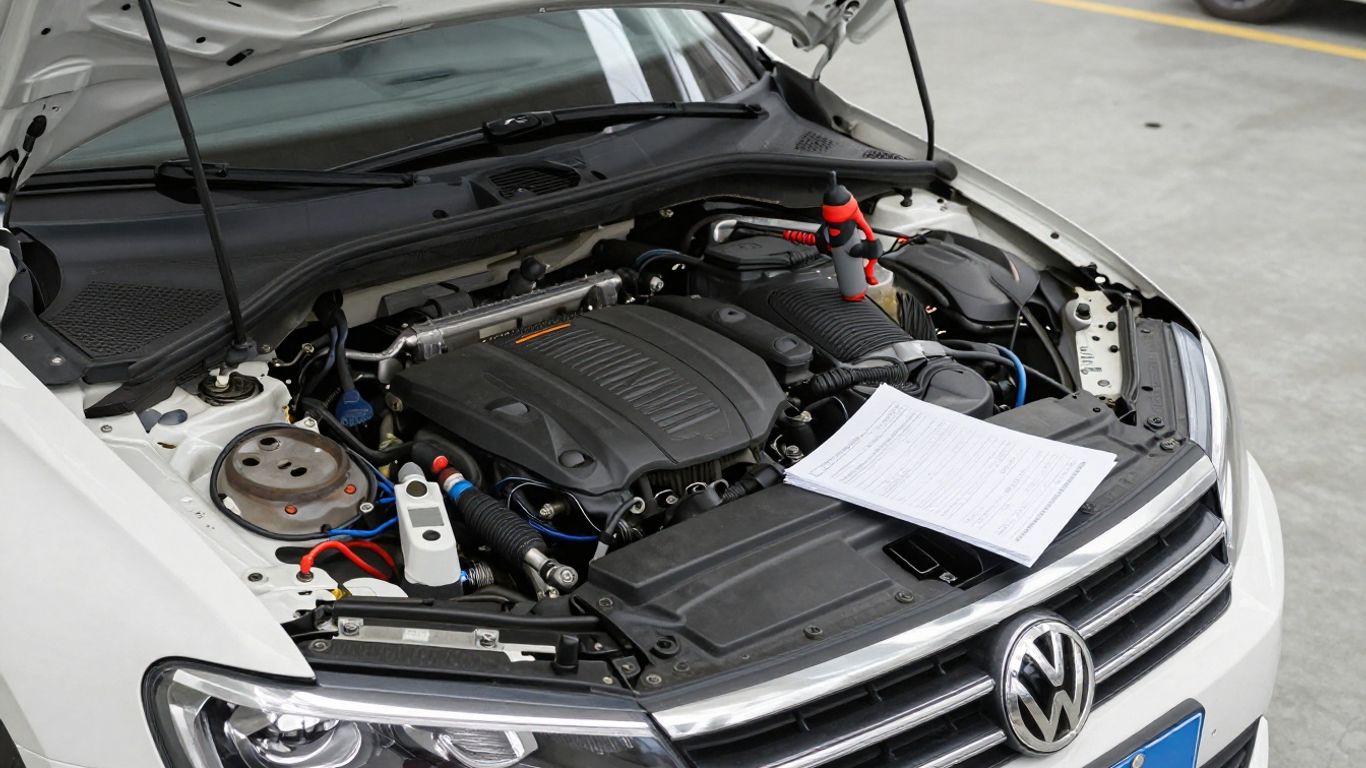
Using the vehicle identification number
The vehicle identification number can help identify the exact build information associated with the car. Give it to the dismantler and your mechanic, along with the model year, body style, engine details, and transmission type. It is more reliable than describing the vehicle by trim level alone.
Still, the number should support—not replace—part-level verification. Compare the proposed component’s code, connectors, mounting points, and included equipment with the vehicle’s existing unit before purchase.
Comparing engine and gearbox codes
Record the code from the original part if it is accessible, then request the code from the replacement. The two codes may need to match exactly, or a documented interchange may apply. Do not treat a close sequence of letters and numbers as proof of compatibility.
Ask about software, immobiliser, coding, and adaptation requirements where electronic systems are involved. These tasks may not prevent physical installation, but they can prevent the vehicle from starting or shifting correctly after fitting.
Checking fitment across Volkswagen models
Parts shared across Volkswagen models can sometimes appear interchangeable while differing in wiring, mounts, software, emissions equipment, or final-drive ratios. Confirm the specific generation and market rather than relying on a broad “Volkswagen fitment” description. A donor from another model may be useful, but only after technical verification.
Keep a record of the seller’s fitment statement and the mechanic’s assessment. If they disagree, resolve the difference before paying. The cheapest response to uncertainty is usually a more careful check, not a rushed order.
Avoiding problems with imported or modified vehicles
Imported vehicles may have different emissions hardware, engine management, transmission calibration, or accessory layouts from locally delivered examples. Modified cars can introduce another layer of uncertainty through engine swaps, aftermarket wiring, altered mounts, or non-standard control units.
Tell the seller about every known modification and provide photographs of the original installation when possible. A part that suits an unmodified Australian-market vehicle may require extra work on an imported or converted car.
Buying used engines and gearboxes from Parramatta wreckers
Once the correct part has been identified, the purchase process still needs care. Get the important details in writing, compare the complete delivered price, and plan how the component will be inspected and installed. Good communication at this stage reduces avoidable disputes.
Requesting accurate quotes and stock details
Ask for a quote that names the part, code, donor vehicle, stated mileage, condition, included components, warranty, and collection or delivery charges. Request current photographs of the actual engine or gearbox rather than generic catalogue images. A clear quote makes it easier to compare like with like.
Mention whether you need a bare assembly, a complete unit, or specific accessories. Also confirm whether the part is reserved for you and how long the quoted price remains valid. Stock can change quickly, particularly for common repairs.
Comparing pickup, delivery, and freight options
Pickup may allow you to inspect the part and can avoid some freight handling, but engines and gearboxes are heavy and require safe loading equipment. Delivery can be more convenient, although you should confirm packaging, insurance, estimated timing, and the process for reporting transit damage.
Ask whether the freight price includes tail-lift service or delivery to a residential address. If the part arrives on a pallet, photograph the packaging before opening it. This creates useful evidence if damage is visible on arrival.
Inspecting parts before completing the purchase
If inspection is possible, compare the unit with the photographs and code supplied in the quote. Look for cracks, missing brackets, exposed openings, corrosion, damaged connectors, and fluid leakage. For an engine, check that essential components promised in the quote are present; for a gearbox, inspect the casing and shaft areas carefully.
Do not remove protective packaging or rotate components in a way that could cause damage unless the seller permits it. If an inspection is not possible, ask for a written condition report and retain all communications with the order documents.
Reviewing returns, exchanges, and warranty conditions
Read the return policy before installation, because many sellers set conditions around testing, labour, unauthorised disassembly, or damage caused during fitting. Ask how quickly a fault must be reported and whether the seller provides an exchange, refund, inspection, or repair option.
Clarify who pays for return freight and whether the warranty covers consequential costs. Save the invoice and take photographs of the part before it is installed. These small steps can make a genuine warranty claim much easier to assess.
Installing and maintaining recycled Volkswagen parts
Installation determines whether a used part delivers sensible value. Even a sound engine or gearbox can fail prematurely if contamination, incorrect fluids, worn seals, or unresolved cooling and electrical faults are carried over. Plan the fitting work before the replacement arrives.
Preparing the vehicle before installation
Identify why the original component failed and correct the related cause where possible. An engine damaged by overheating may require cooling-system work, while a gearbox failure may be linked to fluid loss, clutch wear, mounts, or electronic faults. Installing a replacement without addressing the original problem risks repeating the breakdown.
Clean the mating surfaces, inspect mounts and hoses, and compare the replacement with the removed unit before transferring parts. This is also the right time to confirm connectors, brackets, sensors, and accessory arrangements.
Choosing a qualified mechanic
Choose a mechanic with suitable experience in Volkswagen drivetrains and access to the diagnostic equipment needed for the vehicle. Ask whether the workshop has installed recycled engines or gearboxes before and whether it can complete coding, adaptation, or post-installation checks when required.
A qualified installer should be comfortable documenting the work and following the seller’s warranty conditions. That documentation may include fluid specifications, replaced seals, fault-code scans, and road-test results.
Replacing related seals, fluids, and service items
Replacement work is often the practical time to renew accessible seals, filters, fluids, belts, hoses, and fasteners that are near the end of their service life. The exact items depend on the engine or gearbox and the mechanic’s inspection. Avoid replacing everything without reason, but do not reuse visibly damaged or contaminated items.
Use the correct fluid specification and follow the manufacturer’s service procedure. Record what was changed, including quantities and part numbers, so later diagnosis is based on a clear history rather than guesswork.
Testing the engine or gearbox after fitting
The vehicle should be checked for leaks, abnormal noise, warning lights, vibration, overheating, and irregular operation before it returns to normal driving. Scan the control systems where appropriate and confirm that the engine reaches operating temperature and the gearbox selects its ranges or gears correctly.
A controlled road test should follow the initial stationary checks. Reinspect fluid levels and leaks afterward, then report any concern promptly under the seller’s warranty process rather than continuing to drive until the symptom becomes severe.
Managing the cost of Volkswagen repairs
The price of a replacement component is only one part of a drivetrain repair. Labour, fluids, seals, freight, diagnostics, coding, ancillary parts, and possible follow-up work can change the final figure considerably. Build the estimate around the complete repair rather than the advertised engine or gearbox price.
Comparing used, rebuilt, and new replacement parts
A used part may have the lowest initial price, while a rebuilt unit may offer documented internal work and a different warranty position. A new replacement can cost more but may provide a clearer specification and longer expected service life. Compare condition, inclusions, warranty, lead time, and installation requirements together.
Ask your mechanic to price at least two realistic options. The best value may be the option with the lowest total risk, not the option with the smallest invoice before fitting.
Estimating labour and installation expenses
Request a labour estimate that explains what is included and what could be charged separately. Engine and gearbox replacement can involve removal of surrounding components, fluid changes, diagnostic work, coding, testing, and disposal of old parts. Access, corrosion, previous modifications, and seized fasteners can also affect the time required.
A written estimate should distinguish likely work from possible additional work. This allows you to approve sensible repairs without treating every unexpected discovery as a surprise.
Identifying when a repair is more practical than replacement
Sometimes the original engine or gearbox has a limited fault that can be repaired more predictably than sourcing a replacement. A compression test, internal inspection, or specialist diagnosis may show that the damage is confined to a serviceable component. Compare the repair warranty and expected result with the uncertainty of a used unit.
Replacement is more attractive when the original assembly has extensive internal damage, severe wear, or a history of repeated failures. The decision should also reflect the vehicle’s condition, age, maintenance history, and intended use.
Budgeting for unexpected compatibility issues
Set aside a contingency for missing brackets, different sensors, coding, seals, freight damage, or a required ancillary component. Imported and modified vehicles deserve a larger allowance because the replacement may not follow the usual local specification. Confirming codes early can reduce this risk, but it cannot remove every possibility.
Keep the contingency separate from the quoted purchase price. If the final estimate becomes too high, you can then compare repair, used, rebuilt, and replacement-vehicle options with clearer information.
Conclusion
A successful used Volkswagen engine or gearbox purchase starts with exact identification and ends with careful installation and testing. Parramatta wreckers can be a practical source of recycled parts, but the strongest result comes from checking codes, history, condition, warranty, freight, and total repair cost before making a commitment.