Author name: Devteam

A complete guide to finding Volkswagen wreckers in Canberra
Blog

A complete guide to finding Volkswagen wreckers in Canberra

Key Takeaways Finding the right spare parts for your German vehicle requires a careful approach to local logistics and part verification. These points summarize how to navigate the market effectively: Research local dismantler reputations before visiting. Confirm part compatibility using specific model manufacturing data. Prioritize recycling to save money and reduce waste. Inspect all used components for hidden structural damage. Always ask for warranty terms before completing a purchase. How to find reliable Volkswagen wreckers in Canberra Identifying a trustworthy partner for your vehicle repairs is essential when navigating the Canberra automotive scene. You want a provider who specializes in European engineering and maintains high standards for inventory management. Locating specialized European auto dismantlers Finding a dedicated European specialist is vital because these workshops have deep technical knowledge regarding specific German engine configurations. These experts are better equipped to handle sensitive components compared to generic yards that process all vehicle types without discrimination. Checking online reviews and local reputation Customer feedback is a reliable indicator of service quality and part honesty among local repair specialists. Look for consistent stories regarding the accuracy of descriptions provided by the staff, as this transparency usually signals a legitimate business operation. Verifying stock availability for your specific VW model Before making the trip, always call ahead to confirm whether your specific engine or body trim level is currently in the dismantling process. Having your vehicle identification number ready can save significant time and ensures you get the exact replacement needed for your repairs. Benefits of choosing recycled VW parts over new components Choosing salvaged components offers a practical path toward maintaining your vehicle without the premium price tag associated with brand-new OEM inventory. This approach encourages a circular economy while keeping older models safely on the road. Significant cost savings on genuine manufacturer parts Recycled parts often cost a fraction of the dealer price, allowing you to source original components that fit your car perfectly. Many owners find that they can repair complex systems using high-quality used parts while staying well within their projected budget. Reducing your environmental footprint through recycling Opting for salvaged materials is a sustainable choice that keeps functional steel and plastic components out of regional landfills. By giving these items a second life, you effectively save the resources that would have been required for new manufacturing and international shipping. Immediate availability compared to backordered items One of the most significant practical advantages of using a local wrecker is the ability to walk away with the necessary part immediately. While new components might face shipping delays or logistical hurdles, a wrecker often has the matching unit sitting on their shelf right now. Understanding the grading system for salvaged Volkswagen parts Understanding how wreckers categorize their inventory is essential for setting realistic expectations before you purchase used components. Grading ensures you know exactly the condition you are paying for. Defining quality grades for body panels and lights Condition reports for exterior panels usually focus on the presence of dings, paint condition, or previous rust repairs. Understanding these codes helps you judge whether a part is ready for direct installation or if it requires additional bodywork like repainting to match your current vehicle finish. Interpreting mileage and condition notes for mechanical components Mechanical assemblies are often assigned a status based on the donor vehicle’s engine hours or total mileage figures. It is standard for reputable yards to test these units whenever possible to confirm that the transmission or alternator is still functioning as expected. Knowing which parts should always be bought new Certain safety-related or wear-prone items should not be sourced from a wrecker, regardless of the apparent condition of the donor vehicle. Items like rubber brake lines, seals, or specific safety sensors generally perform best as fresh, unused units. What to look for when inspecting parts at a wrecker Inspecting your parts in person allows you to verify that they are fit for purpose before you hand over any payment. Taking a moment to conduct a hands-on check helps avoid the hassle of returns or installation surprises. Identifying signs of structural fatigue or corrosion Look closely for any signs of pitting on metal surfaces or brittle textures on plastic covers, which could indicate long-term exposure to the elements. Surface oxidation or minor blemishes on metal parts do not necessarily compromise structural integrity as long as the core material remains thick and free from deep flaking or pervasive rot. If the metal appears solid and the mounting points are secure, the part likely retains its structural capability for ongoing use in your vehicle. Testing electrical connectors for water damage Electrical plugs should always be dry and clean inside the pins to ensure that signals flow without resistance. If you notice signs of corrosion or moisture, it is better to seek an alternative component to avoid intermittent faults in your electronic systems later. Verifying compatibility with different engine variants Volkswagen often updates hardware slightly between production years, so checking part numbers against your original equipment is non-negotiable. Even parts that appear identical visually may have different internal wiring or bolt hole placements that prevent proper fitment. Essential questions to ask before buying used VW spares Asking the right questions turns a complex purchase into a straightforward transaction that protects your financial interests. Clarity at the point of sale is the best way to ensure satisfaction with your used parts purchase. Confirming return policies and warranty coverage Reputable yards should offer a clear policy stating what happens if a part fails shortly after installation. Understanding the timeline and the process for refunds or exchanges prevents future frustrations. Asking about the donor vehicle’s history Knowing how the donor car was treated can provide clues about the wear on the parts you are removing. If the history confirms the car was regularly serviced, you can generally trust the longevity of the major components salvaged from that vehicle. Inquiring about delivery or collection options Large parts like doors, bumpers, or engine blocks might require special shipping arrangements
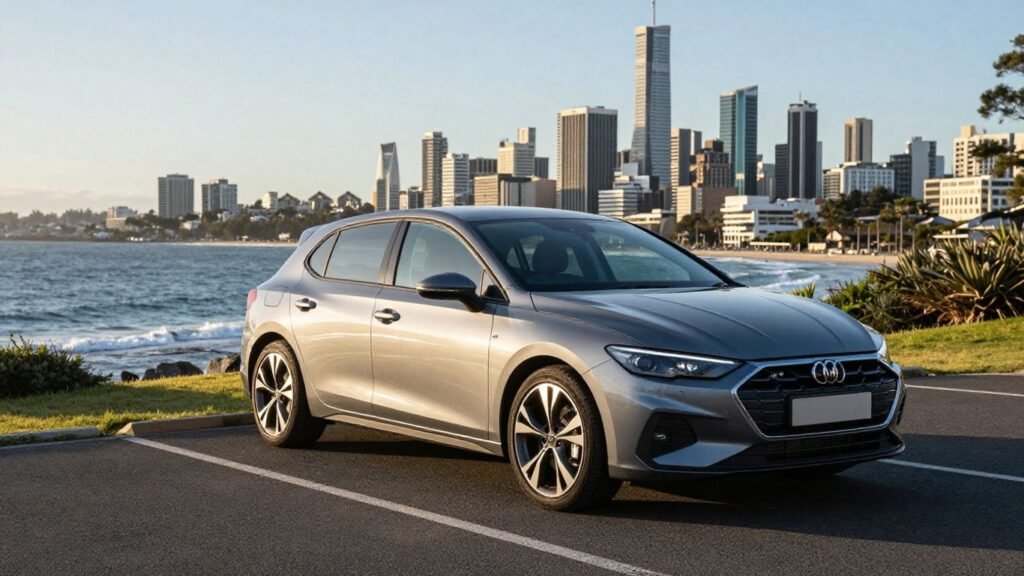
The comprehensive guide to sourcing used Volkswagen engines in Parramatta
Blog

The comprehensive guide to sourcing used Volkswagen engines in Parramatta

Key Takeaways Finding a suitable engine for your vehicle requires careful planning and research to ensure long-term reliability for your commute. Here are the five most essential points to consider when sourcing components for your repair. Identifying the specific engine code and production year is the most critical first step. Inspecting service records provides a clearer picture of an engine’s remaining operational value. Local wreckers in Parramatta offer significant savings compared to ordering parts from interstate suppliers. Professional installation performed by certified mechanics prevents common issues arising from improper fitment. Consistent maintenance schedules are necessary to protect the integrity of your installed engine block. Understanding the Volkswagen engine market in Parramatta Navigating the landscape for replacement parts requires a basic familiarity with the common engine configurations circulating through the region. Many owners seeking Used Volkswagen engines Parramatta benefit from local proximity to established automotive networks that specialize in German engineering. By understanding the availability and condition of these units, you can make an informed decision that balances performance expectations with your current budget. Identifying common Volkswagen engine models in Sydney The most frequent engines found in local inventory reflect the popular models sold throughout Australia over the last decade. Technicians often categorize these units by their specific displacement and fueling systems, such as the widely used TSI turbocharged configurations. Knowing the exact engine code marked on your original block ensures that the replacement will integrate seamlessly with your vehicle’s existing transmission and electronic control systems. Why Parramatta is a hub for high-quality auto parts Parramatta acts as a central distribution point due to its strategic position within the greater Sydney transport network. This concentration of logistics and specialized automotive businesses allows for efficient movement of salvaged components from salvage sites to workshops. You will find that the high turnover of vehicles in this area keeps the selection diverse and competitively priced compared to regional centers. Distinguishing between reconditioned and salvage engines The choice between a salvaged unit and a reconditioned one often depends on your long-term vehicle ownership goals. A salvage engine is typically pulled directly from an end-of-life vehicle and sold as-is, which presents a lower upfront cost but fewer guarantees regarding internal wear. Conversely, a reconditioned unit has undergone an overhaul where worn bearings, seals, and gaskets are replaced to restore factory performance standards. Assessing the quality of used engines Evaluating the condition of an engine requires a systematic approach to avoid purchasing a unit with hidden defects. You must look beyond exterior cleanliness to determine whether the internal components have been properly lubricated and maintained over time. Observing these details upfront prevents costly surprises after the installation is complete. How to perform a physical inspection of an engine block A physical inspection should always begin with an examination of the oil and coolant for signs of contamination or metallic debris. You should verify that the crankshaft rotates freely by hand, which indicates that the pistons are not seized and the timing components are intact. Small details like the condition of the exhaust ports or the state of the spark plug threads can reveal the care taken by the previous owner. Analyzing vehicle maintenance records and service history If the seller can provide a verified service history, you gain significant insight into how the engine was treated throughout its lifespan. A documented log of oil changes and cooling system flushes suggests that the internal wear remains within standard tolerances for its age. Skipping this step is risky, as even a clean-looking engine might have developed underlying issues due to a neglectful service schedule. Red flags to watch for during the procurement process During the acquisition process, there are specific signs that should prompt you to walk away from a potential purchase. Heavy layers of sludge inside the cylinder head or evidence of recent repairs using improper sealant are clear indicators of past abuse. When you notice these discrepancies, it is wise to maintain a disciplined approach toward your selection of reliable hardware for the project. Working with reliable local wreckers and distributors Establishing a relationship with trusted dismantlers in Western Sydney helps you secure high-quality components for your vehicle. These businesses have developed robust procedures for cataloging and testing salvaged items to ensure they meet basic functional criteria. Relying on professional operators simplifies the process while minimizing the time spent hunting for parts at smaller, less organized facilities. Benefits of sourcing parts from dismantlers in Western Sydney The advantage of working with local dismantlers lies in their ability to provide ready access to a wide array of donor vehicles. These yards prioritize quick turnover and often have deep technical knowledge of the specific Volkswagen models currently circulating in Australia. Using their local expertise often results in more accurate part identification and faster turnaround times. Verifying dealer certifications and industry reputation Before finalizing a purchase, checking the business reputation and any relevant industry certifications provides peace of mind. A reputable operator will openly discuss their testing methods, such as compression tests performed before the engine was removed from the donor frame. Seeking out reviews or industry standing confirms that the dealer effectively follows safety and environmental regulations. Evaluating return policies and warranty terms Most established wreckers offer a standardized period for returns if the engine fails to meet stated performance specifications post-installation. It is important to review these terms carefully, as installation by a licensed shop is frequently a requirement for the warranty coverage to remain valid. Consider the following common terms found in standard industry agreements represented in the table below. Term Coverage Standard Duration Requirement Detail Parts Warranty 3 to 6 Months Must have receipt Cooling Failure Optional Extra Pre-purchase testing Labor Costs Not Included Professional install Reviewing these conditions ensures you understand your protection level before any physical delivery of parts occurs. Logistical considerations for engine replacement Managing the transition from an old engine to a replacement requires significant coordination between the parts supplier and your chosen mechanic. Planning the timing of the delivery, the

The ultimate guide to finding Volkswagen Golf GTI parts in Sydney
Blog

The ultimate guide to finding Volkswagen Golf GTI parts in Sydney

Key Takeaways Finding the right components for your vehicle in Sydney requires a clear understanding of your specific model generation and maintenance needs. By balancing costs, warranty requirements, and performance goals, you can effectively source parts that align with your driving style. Identify your specific generation to ensure hardware compatibility. Distinguish between essential safety items and minor aesthetic upgrades. Utilize local expertise to save on shipping for heavy items. Verify that engine modifications comply with New South Wales regulations. Plan for long-term reliability when selecting performance-oriented replacements. Determining your parts needs for a Volkswagen Golf GTI Identifying the correct hardware for your vehicle begins with understanding the technical differences between model years. Whether you drive a Mk7 or the latest Mk8, small changes in production can impact how parts fit and function. Identifying your specific Mk8, Mk7, or earlier generation It is essential to check your vehicle identification number before committing to an order. Minor iterations during production cycles often mean that a component designed for a 2017 model may not be interchangeable with a 2018 variant, even within the same generation. Diagnosing mechanical failure versus preventative maintenance Distinguishing between a part that has snapped and one that is simply showing its age is vital. Monitoring your car for subtle changes provides a better long-term ownership experience than reacting to a sudden breakdown on the highway. Prioritizing critical components for road safety Focusing your budget on chassis integrity and braking systems provides the most immediate benefit. When shopping for Volkswagen Golf GTI parts Sydney, you should always put items that control how your car stops or turns above those that simply change how it looks. Tires, brake pads, and suspension bushings serve as the physical foundation of your driving experience. Selecting high-quality materials for these areas ensures that your vehicle responds predictably in emergency scenarios, keeping both the driver and others on the road safe. Maintaining the structural integrity of your suspension setup prevents premature wear on other, more expensive components throughout the driveline. Authorized dealerships versus independent retailers in Sydney Choosing where to shop often comes down to your priorities regarding after-sales support and your comfort level with installation costs. While one route offers the security of factory protocols, the other provides significant flexibility in sourcing hard-to-find components for older platforms. Benefits of factory-backed warranties from local dealerships Opting for original dealer components ensures you hold onto your factory warranty protections during the early years of ownership. This path provides peace of mind through standardized testing and proven compatibility that comes directly from the manufacturing source. Cost advantages of choosing independent European parts specialists Independent retailers often provide competitive pricing on the same quality items that dealerships stock. Stores like Dubhaus have built a reputation for helping enthusiasts find the right aftermarket bodywork and lighting solutions without the premium markup found at major corporate service centers. Evaluating customer service and technical support reputation Choosing a retailer often depends on the level of guidance they offer for tricky installations. The following table highlights common factors to consider when you are comparing local support options for your regular service needs. Feature Dealer Independent Specialist Warranty Coverage High Varies Price Point Higher Moderate Technical Advice Standard High Comparing these factors helps you determine which partner aligns best with your comfort level when you are doing your own minor mechanical work on the car. Deciding between genuine and aftermarket components Making the right choice involves evaluating the balance between factory-guaranteed performance and the versatility offered by specialized market alternatives. Many owners choose to mix both, using official parts for internal engine health while opting for aftermarket solutions for exterior aesthetics. Understanding OEM quality standards for Volkswagen Genuine components are manufactured to the exact specifications required by the original design team. These parts undergo rigorous testing, ensuring that every bolt, gasket, and sensor performs as expected under varied atmospheric conditions. Exploring reputable aftermarket brands for performance and cost Many high-quality producers offer alternatives that match or exceed the durability of stock units. Suppliers such as Pro Speed Racing carry specialized kits that allow drivers to improve the responsiveness and handling of their vehicle without needing to pay for branded parts that do not offer added functional benefits. Identifying potential compatibility issues with non-genuine parts When buying parts that are not official, you must be diligent about cross-referencing your vehicle’s specific fitments. Poorly researched aftermarket upgrades can lead to rattling, inconsistent performance, or, in extreme cases, damage to the surrounding mechanical systems that are harder to repair. Navigating performance upgrades for your GTI Modifying your hot hatch requires a methodical approach that considers both the physical limits of the engine and local regulatory requirements. Improving your car does not have to mean sacrificing the comfort that makes it a great daily driver. Legal compliance for engine and exhaust modifications in New South Wales Stay aware of local standards regarding road noise and emission levels before altering your exhaust system. Modification should always be done with the awareness that vehicles on the road must comply with state safety inspection standards. Sourcing specialized parts for tuning and handling Focusing on intake flow, cooling systems, and suspension geometry often yields the best results for weekend drivers. These components work together to ensure that power is delivered smoothly while the chassis maintains composure during spirited driving sessions. Balancing power gains with long-term engine reliability Pushing the engine beyond factory limits requires a commitment to a tighter maintenance schedule. Ensuring that your cooling and oil systems are serviced more frequently is a small price to pay to keep your vehicle performing reliably for the long term. Logistics of sourcing and shipping bulky parts in Sydney Managing the distribution of large, awkward pieces like body panels or heavy wheels requires careful planning. Sydney traffic can make picking up parts in person difficult, making an efficient delivery plan essential for avoiding stress. Comparing click-and-collect options across the metropolitan area Taking advantage of local pickup services saves on shipping fees and protects

Your complete guide to Volkswagen Golf wreckers in Newcastle
Blog

Your complete guide to Volkswagen Golf wreckers in Newcastle

Key Takeaways This guide helps residents find reliable salvage services and highlights the financial and environmental benefits of recycling vehicle components. Locating a reputable wrecker involves verifying professional credentials and checking active community reviews. Choosing recycled parts often results in significant cost savings compared to purchasing brand-new manufacturer alternatives. Environmental sustainability improves when high-quality salvaged components are reused rather than discarded. Understanding warranty policies and part compatibility protects your investment when buying from salvaged stock. Preparing your older vehicle for sale allows wreckers to provide accurate valuation based on remaining hardware. Finding reputable Volkswagen Golf wreckers in Newcastle Locating a reliable recycler requires a bit of research, as the quality of service can vary significantly across different facilities. When searching for Volkswagen Golf wreckers Newcastle, you should look for operations that demonstrate professional conduct and transparency. Taking the time to filter out disorganized yards ensures you receive support from experienced staff who truly understand the intricacies of German automotive engineering. Identifying trustworthy salvage yards Identifying a professional operation often starts with how they manage their physical space. A well-organized salvage yard usually keeps its inventory indexed, which demonstrates a high level of care for the components they sell. You can trust yards that keep their stock clean and dry, as this level of maintenance reduces the risk of long-term degradation from exposure to harsh weather conditions. Checking industry certifications and licenses Legitimate wrecking businesses typically display their industry credentials prominently, showing they adhere to safety and environmental standards. Always ask if the business holds valid automotive recycling licenses, which indicates they comply with local regulations regarding fluid disposal and car dismantling. This documentation is a primary indicator of a facility that respects the legal requirements for handling damaged Volkswagen vehicles. Evaluating customer reputation and online reviews Customer feedback is a valuable resource for gauging the reliability of a parts provider in the Newcastle region. Look for recurring themes in reviews that specifically mention clear communication, accurate part identification, and reasonable after-sale support. While individual experiences can vary, a consistent trend in positive feedback suggests that the company values its reputation and works to satisfy local drivers. Benefits of sourcing used Volkswagen parts versus new Many owners eventually find that sourcing pre-owned components is the most sensible path for maintaining older vehicles on a budget. By opting for recycled inventory, you can keep your car running without significant financial stress while supporting a circular economy that prioritizes reuse. Integrating these components into your repair plan often provides a practical alternative to the high premiums sometimes associated with official dealership catalogs. Comparing affordability and cost-effectiveness When comparing aftermarket or recycled parts to new manufacturer components, the price difference for major mechanical assemblies can be substantial. For example, local services like Just Volks often provide affordable recycled options that allow owners to restore functionality for a fraction of the cost found elsewhere. The following table showcases typical savings when choosing used parts over brand-new alternatives for common repair tasks. Part Category New Component Price Recycled Component Avg Estimated Savings Alternator $650 $220 $430 Gearbox Assembly $2,800 $950 $1,850 Side Door Panel $900 $350 $550 These price differences demonstrate that owners can maintain their vehicle’s performance goals while keeping their total repair expenses strictly aligned with their personal budget. Assessing the sustainable advantages of recycling Choosing recycled parts is a direct way to reduce the environmental impact associated with the manufacturing, processing, and shipping of brand-new car components. By keeping existing metal and plastic in use, we extend the lifecycle of energy already invested in production. The ecological benefit of this practice, often highlighted by organizations like Hytech Parts Plus, proves that repairing cars can be as gentle on the planet as it is on your bank account. Salvaging functional components from end-of-life vehicles represents a significant victory for environmental conservation. By prioritizing the reuse of existing materials, we effectively minimize the extraction of raw resources and lower the industrial carbon footprint associated with producing replacement items from scratch. This simple choice helps preserve natural resources and contributes to a regional commitment to reducing landfill waste in Newcastle. Availability of discontinued or hard-to-find components As vehicle models age, sourcing specific parts through traditional retail channels often becomes difficult due to limited production runs from original equipment manufacturers. Salvage yards act as a vital library for these out-of-production items, offering access to hardware that simply does not exist on standard shelves anymore. This availability is often the only way to successfully complete a restoration or a complex repair on an older Volkswagen Golf. Assessing part quality before you buy Quality assurance is the final step in securing a reliable part, so never skip a physical inspection if you are visiting a yard in person. Knowing exactly what to look for allows you to avoid components that have been compromised by high mileage or improper storage. A proactive approach to checking these items saves time and prevents the frustration of needing to repeat repairs shortly after installation. Inspecting used components for wear and tear Before finalizing a purchase, examine the hardware for signs of oxidation, excessive slack in moving joints, or cracks in synthetic housings. High-wear items like ignition coils or water pumps should show clear evidence of maintenance before they are considered candidates for your vehicle. Taking a moment to wipe away surface grime often helps you spot hairline fractures that might lead to failure once the part is installed. Understanding salvage yard warranty policies Most reputable recyclers offer some form of warranty period on their parts, which provides a necessary layer of protection for buyers. You must clarify these terms before paying, as policies can vary depending on whether the part is a simple exterior trim piece or a complex electronic module. A clear agreement on return conditions ensures you aren’t stuck with an incompatible part should your initial assessment prove incorrect. Tips for verifying parts compatibility with your specific model Volkswagen vehicles often use specific engine codes and part numbers to distinguish

How to find the best Volkswagen wreckers Gold Coast for your needs
Blog

How to find the best Volkswagen wreckers Gold Coast for your needs

Key Takeaways Navigating the vehicle disposal market effectively ensures you receive fair compensation while responsibly handling your older VW models. Here are the core strategies for working with reliable local experts in the Gold Coast area. Compare cash offers from established wreckers before making a final decision on your vehicle. Confirm the business holds valid certifications and has a physical address to ensure accountability. Prepare your vehicle by removing all personal electronics and documents to protect your privacy. Understand the grading system used for salvaged parts to ensure you source components that actually function. Utilize VIN data to verify technical compatibility before purchasing replacements to avoid costly return processes. Understanding the services offered by Volkswagen wreckers Professional dismantling services provide a necessary endpoint for aging vehicles that no longer operate reliably. These businesses focus on salvaging useful components rather than simply scrapping the entire car. By utilizing their infrastructure, owners can often recover significant value from cars that are otherwise considered liabilities. Identifying genuine OEM versus aftermarket parts Genuine original equipment manufacturer parts are specifically engineered to the exact specifications of your vehicle. While aftermarket alternatives might be cheaper initially, they often lack the precise fitment required for complex electronic or mechanical systems. Experienced handlers distinguish between these categories by assessing original part numbers and branding stamps found on the casing. How wreckers evaluate scrap vehicle prices Valuators look at the specific metal composition and the viability of reusable parts stored within the vehicle. If a specific model is common in repair shops, its components yield higher demand and thus a higher assessment at the gate. GC Top Wreckers provides specialized dismantling services for various VW models by focusing on these high-demand inventory needs. Environmental benefits of salvaging car components Recycling serves as a vital way to prevent hazardous materials from entering local landfills. Proper dismantling processes ensure that oils, battery acids, and coolants are captured safely and redirected to processing facilities. This focus on sustainability reduces the need for raw material extraction while cleaning up automotive waste in the community. Assessing reliability and reputation of local wreckers Evaluating the credibility of a local business requires checking both digital footprints and physical presence. A legitimate service typically maintains transparent communication and operates from an established site where you can inspect their setup yourself. Take a moment to verify these details carefully to avoid potential service complications. Checking online reviews and business certifications Public feedback platforms offer a window into the typical customer experience regarding payment speed and service quality. Look for recurring mentions of fair dealing and professional conduct across multiple review sites. Valid business credentials also reflect the level of regulatory compliance maintained by the yard, providing a baseline of trust for future dealings. Red flags to watch out for during initial consultations Be cautious if an operator refuses to provide a clear quote until the car is already in their possession. Companies that lack clear, written procedures for ownership transfer or pressure you into quick decisions should be avoided. Professionalism in the initial stage is a strong indicator of how they handle the final transaction. Building a rapport with yard managers for better pricing Establishing a clear channel of communication can often lead to more transparent discussions regarding your car’s true market worth. Yards appreciate customers who arrive providing accurate information about the condition, which helps them plan their recycling workload more effectively. Taking the time to speak directly with the site manager often unveils specific needs for certain inventory levels. These insights can help align your selling goals with their current requirements for particular models or hard-to-find components. Developing this professional connection simplifies future logistics and ensures both parties feel satisfied with the final arrangement. Preparing your Volkswagen for a wrecker Once you have decided to sell your vehicle, the preparation phase involves securing your personal data and ensuring the car is free of hazards. This logistical step is essential for the legal transfer of the vehicle and prevents complications during local transport. Efficiency here guarantees that the handover process happens without unnecessary delays. Gathering necessary documentation and ownership proof Validating your ownership status is the most important step before any removal service can proceed. Having your registration papers and proof of address ready speeds up the processing of the sale. Most reputable firms, including GC Top Wreckers, require clear proof of title to confirm the vehicle is legally available for scrapping. Removing personal belongings and sensitive electronic devices Modern vehicles often store sensitive data inside infotainment systems, such as navigation history or paired phone contacts. Before the car leaves your property, perform a factory reset of these systems and sweep the interior for forgotten documents or personal items. This practice protects your digital privacy and ensures no private information is left behind. Draining hazardous fluids for legal and safe transport While many wreckers manage fluid removal on-site, informing the team about any active leaks is a safety priority. Identifying if the car contains fluids like fuel or transmission fluid allows the transport crew to use the appropriate equipment during collection. This proactive behavior minimizes the risk of accidental spillage during the towing process. Tips for sourcing affordable used Volkswagen parts Finding quality components for older models does not have to be an expensive or difficult endeavor. By understanding how parts are classified and verified, you can successfully maintain your vehicle on a reasonable budget. GC Top Wreckers provides used VW spare parts, allowing owners to source specific components at a fraction of their original retail cost. Understanding part grading and quality standards Recyclers typically categorize salvaged parts based on their structural integrity and verified performance history. Grade A components usually come from low-mileage vehicles and represent the highest quality available, while others fall into tiers based on wear or aesthetic condition. Knowing these categories prevents disappointment by setting realistic expectations for the physical state of the component you choose. Navigating warranty policies on salvaged mechanical components Many professional dismantlers offer limited warranties or exchange policies

Buying second hand Volkswagen gearboxes in Adelaide: A buyer's guide
Blog

Buying second hand Volkswagen gearboxes in Adelaide: A buyer’s guide

Key Takeaways Finding the right transmission can save you significant time and money when repairing your vehicle. Use these five points to guide your search for quality components. Source parts locally or through verified expert importers. Always verify your specific transmission code before purchasing. Physically inspect components for signs of leaks or damage. Understand your consumer rights regarding warranties on used parts. Rely on professional mechanical services for precise installation. Sourcing second hand Volkswagen gearboxes in Adelaide Navigating the local supply of automotive parts requires patience and a clear strategy to ensure you receive a functional component. You will find that Adelaide hosts a variety of specialized outlets, but filtering them by reputation remains your most effective tool. Taking a methodical approach to evaluating your potential suppliers will prevent costly mistakes and long-term frustration, helping you acquire a reliable replacement for your car without unnecessary stress. Identifying reliable local wreckers Local salvage yards serve as a quick way to find parts for models currently in circulation. When visiting these businesses, ask about their inventory management processes and whether they perform bench testing on units before removal from the donor vehicle. Searching dedicated Volkswagen parts importers Specialized importers often carry components that are difficult to find at general-purpose breakers. These businesses usually have deep knowledge of the specific technical requirements for European models and can help narrow down your search based on production dates. Utilizing online auto part marketplaces Digital platforms connect buyers with a wider geographic pool of sellers, which is helpful if local stock is limited. Ensure that any listing you consider includes clear photos and a verifiable service history for the donor car, as online distance necessitates extra caution during the selection process. Verifying compatibility for your Volkswagen model Decoding your Volkswagen transmission code Locating the transmission code involves checking the factory identification plate or the service manual sticker located in the luggage compartment. Finding this precise alphanumeric string is the best way to ensure the replacement unit communicates properly with your engine ECU. Matching gearboxes to specific engine configurations Every engine series demands a specific transmission type to handle its torque output and power band. You must confirm that your engine displacement and fuel type are consistent with the specifications found on the donor vehicle’s build tag. Managing differences between manual and DSG units Distinguishing between traditional manual gearboxes and the sophisticated DSG transmission is vital for functional success. The wiring harnesses and cooling requirements for these systems differ significantly, meaning you cannot substitute one for the other even if the physical housing appears identical. Evaluating the physical condition of a used gearbox Assessing transmission fluid color and smell Fresh transmission fluid looks clear or slightly amber, while degraded or burnt fluid appears dark and creates a distinct, acrid odor. Using the following diagnostic table helps classify the fluid condition observed during your inspection: Fluid State Color Odor Interpretation Healthy Bright Red/Amber Sweet/Neutral Likely functional Oxidized Brown Minimal Aging, requires service Burnt Black Pungent/Burnt Internal damage potential Checking this fluid state informs you whether immediate maintenance is necessary upon installation. Inspecting the housing for structural damage or leaks Look closely at the bell housing area for any hairline cracks or persistent fluid weeping around the input shaft seals. While light residue may be normal for high-mileage units, any significant gapping or structural deformities should be treated as a warning sign of collision impact or improper handling. Testing internal components for smooth gear engagement If the gearbox is still accessible for manual manipulation, check that each gear can be selected without binding or excessive play in the input shaft. Although this does not guarantee performance under load, it confirms that the linkages and shift forks are correctly positioned. Understanding warranties and consumer rights Knowing where you stand if a part fails is just as important as the part itself. In Adelaide, your rights vary significantly depending on whether you purchase from a licensed automotive trader or an individual seller. Distinguishing between private seller and dealer warranties Commercial wreckers usually provide a limited-term warranty that protects against immediate mechanical failure, whereas private transactions are almost always final. You should explicitly clarify the return policy before any money changes hands. Documenting mileage and verified service history Ask for the donor vehicle’s identification number to cross-reference the reported mileage. Having documentation of the service history confirms that the unit was maintained before its extraction. Applying Adelaide consumer protection laws to used car parts Local consumer regulations ensure that goods sold by businesses must be fit for their intended purpose. If a part sold for a specific model proves completely inoperable, you may have legal avenues for a refund or replacement. Professional installation and maintenance Replacing a transmission is a labor-intensive task that requires specific automotive lift equipment and diagnostic tools. Attempting this repair without professional support often leads to complications with the vehicle’s electronic systems. Finding Adelaide mechanics specialized in Volkswagen transmissions Work with technicians who are accustomed to European engineering, as they know the specific nuances of these drivetrain layouts. Professional shops handle both the physical mounting and the subsequent software integration necessary for a smooth transition. Addressing post-installation transmission fluid requirements Fluid levels must be calibrated exactingly according to the manufacturer’s temperature-specific protocols. Even a small discrepancy in volume can disrupt performance or lead to overheating during initial testing. Re-learning or adapting the transmission control module after replacement Modern vehicles utilize a computer-managed Transmission Control Module to regulate shifting behavior. After installing a replacement unit, a technician must perform a digital adaptation to reset the data parameters to your specific vehicle’s sensor readings. Complex components like a transmission require precise software alignment and mechanical integrity, which is why integrated shop services remain the gold standard for long-term reliability. Following these procedures for software adaptation ensures that the new unit integrates seamlessly with the existing onboard systems. By planning for professional installation and testing, you protect the investment you have made in your vehicle’s mechanical health. Conclusion Sourcing quality

The complete guide to Volkswagen wreckers in Perth
Blog

The complete guide to Volkswagen wreckers in Perth

Key Takeaways Navigating the world of automotive salvage can be intimidating, but understanding the basics helps ensure you get quality parts for your vehicle. Here are the core concepts for using local salvage services effectively: You can significantly lower your maintenance costs by choosing salvaged parts instead of new ones. Professional wreckers help keep usable components out of landfills through systematic recycling. Locating obscure components for vintage or discontinued models is often easier at specialized salvage yards. Checking for industry certifications and clear return policies remains the best way to secure a purchase. Always verify compatibility with your specific vehicle identification number before finalizing any transaction. Benefits of using Volkswagen wreckers in Perth Finding affordable ways to maintain a German-engineered vehicle is a common challenge for many car owners. Local salvage yards offer a practical alternative to dealership prices by harvesting high-quality parts from end-of-life cars. This approach serves both the practical need for affordable repairs and the broader goal of responsible vehicle management in Western Australia. Significant cost savings compared to OEM Choosing recycled components allows owners to avoid the high mark-up of original equipment manufacturer parts without compromising functionality. Many items, such as alternators or light assemblies, retain years of operational life but are sold at a fraction of their new retail cost. By utilizing budget-friendly parts, you keep your vehicle on the road while protecting your wallet. Reducing automotive waste through recycling Every vehicle processed by a wrecker represents a complex collection of metals, plastics, and fluids that can either be recycled or sent to a landfill. Salvage yards perform the heavy lifting of stripping these cars, ensuring that every reusable component continues to serve a purpose in another machine. This localized recovery process effectively limits the environmental footprint of owning a vehicle. Sourcing hard-to-find components for older models Finding specific trim pieces or specialized modules for a vehicle produced over a decade ago can be nearly impossible through standard retail channels. Specialized yards often keep these older units in stock, providing a lifeline for enthusiasts attempting to preserve classic or retired series models. Sourcing from a reliable specialist ensures that components for legacy models are verified for fitment and function even when manufacturer support has long since ceased. This commitment to preserving older inventories makes these businesses an essential partner for long-term vehicle ownership. How to choose the right Volkswagen wreckers in Perth Selecting a partner for your automotive needs requires checking their reputation and available services before committing to a purchase. You should look for businesses that prioritize transparency, clear communication, and a organized inventory management system. Taking time to evaluate a provider will ultimately lead to a better outcome for both your car and your peace of mind. Researching reputation and customer feedback Online reviews provide a snapshot of how a business treats its patrons, highlighting areas like service reliability and part accuracy. Start by looking for consistent positive experiences regarding the condition of salvaged items, as this indicates a disciplined approach to inventory assessment. Confirming stock availability for your specific series Before heading to a yard, confirm that they actually have the model series you are working on in their current inventory. Large operations like Tony’s Autos often maintain searchable digital records that allow you to check for specific vehicles or parts from the comfort of home. This ensures you do not waste time traveling to a site that does not have the necessary donor car. Understanding return policies and warranties Clear documentation and a fair policy regarding faulty or incompatible parts are hallmarks of a professional wrecker. You should explicitly ask about the coverage period for used electronics and mechanical assemblies before any transaction occurs. Feature Industry Standard Customer Benefit Warranty Period 30-90 Days Risk Protection Return Policy In-Store Credit Flexibility Part Testing Pre-Sale Checks Guaranteed Fit Knowing exactly where you stand if a component fails provides much-needed security when shopping for used, high-wear automotive parts. Checking for professional industry affiliations Membership in recognized automotive bodies often signals that a wrecker adheres to standardized safety and environmental protocols. These affiliations suggest that the business prioritizes legitimate operations, and you can trust that their standard of service remains high for every customer interaction. Frequently sourced Volkswagen parts Whether you are performing a complex repair or a simple cosmetic fix, the parts you require are likely already circulating through the local salvage network. Understanding which high-demand items are typically available helps you streamline your search for replacements. Most professional wreckers organize these items systematically to make identification and extraction efficient. Exterior body panels and cosmetic trim Bumpers, hoods, and door panels are common requests for vehicles involved in minor collisions. Because these items are frequently pulled from cars retired due to issues unrelated to their chassis, they offer a perfect, paint-matched solution if you are lucky enough to find the same color. Mechanical engine and transmission components Businesses like Just Volks specialize in harvesting functional engines and gearboxes to provide affordable mechanical solutions for common failures. These expensive units are carefully extracted and inspected, ensuring that replacement engines can provide reliable service for thousands of additional kilometers. Dashboard electronics and cabin control modules Computers that govern climate control, infotainment, or instrument clusters are often available for significantly less than their new replacements. Because these delicate electronics are sensitive to proper handling, reputable wreckers ensure that they are stored in dry, climate-controlled environments. Suspension parts and brake assemblies Steering racks, control arms, and brake calipers are frequently salvaged from vehicles with low-to-moderate wear. These non-electronic mechanical parts are durable and can often be serviced or refurbished, representing a smart way to maintain handling performance without paying dealership prices. Preparing to sell your end-of-life vehicle When a vehicle reaches the end of its useful life, selling it to a professional wrecker is a responsible final step. Preparing the car properly not only speeds up the process but also ensures that you receive a fair appraisal based on the actual remaining utility of the parts. Taking

A comprehensive guide to sourcing and installing used Volkswagen engines in Melbourne
Blog

A comprehensive guide to sourcing and installing used Volkswagen engines in Melbourne

Key Takeaways Transitioning to a replacement engine requires careful planning, from sourcing to final installation. These core steps ensure a successful transition for your vehicle. Sourcing high-quality engines from reputable Melbourne-based wreckers is the first step toward vehicle reliability. Always prioritize components with verified service records to avoid unexpected mechanical failures down the line. Using specific VIN and engine codes ensures exact compatibility with your VW model, trim, and transmission type. Weighing the total costs against professional rebuild options helps in making an informed financial decision. Partnering with a qualified Euro specialist guarantees correct installation and proper diagnostic module resets. Finding reliable used Volkswagen engines in Melbourne Locating an engine for a German vehicle in Victoria requires a methodical approach to ensure the part is fit for purpose. Many owners find that looking past generic listings toward specialized parts suppliers yields better long-term reliability. By vetting the source before committing to a purchase, you protect your investment and reduce the likelihood of repeated repairs. Identifying reputable wreckers and distributors Reputable suppliers focus on testing components before they reach the consumer market. It is often beneficial to engage with businesses that specialize specifically in European vehicle imports or dismantling. These suppliers typically possess a deeper understanding of the specific requirements of Volkswagen engines, ensuring that they categorize inventory correctly for buyers. Verifying engine history and service records An engine with a well-documented past is significantly safer to purchase than one without any background. Look for consistent oil change intervals and regular servicing stamps in a vehicle logbook. Even if the car was involved in a collision, evidence of a previous owner’s rigorous maintenance habits offers a better foundation for long-term power delivery. Using VIN and engine code identification The vehicle identification number, commonly known as a VIN, acts as the primary tool for cross-referencing compatibility. Every engine code is unique to the displacement, fuel type, and emissions configuration of that specific production year. Confirming these codes directly against your existing engine block prevents the frustration of buying an unit that fails to interface with your current wiring harness or ECU. Checking local industry warranty policies Most legitimate sellers provide a baseline guarantee for parts purchased through their shop. Understanding the specifics of these policies ensures you know exactly when a claim can be filed, such as for internal seal failure or unforeseen oil pressure issues. Always confirm if the dealer includes labor costs or only provides a replacement unit under their warranty terms. Factors to consider before purchasing a used engine Selecting the right unit involves balancing immediate budget constraints against the anticipated lifespan of the engine assembly. You should never rush this decision, as the labor required to swap an engine is too significant to risk on a unit of questionable condition. Assessing the engine thoroughly minimizes the risk of early failure and maximizes the return on your mechanical investment. Low-mileage versus high-mileage engine trade-offs The number of kilometers on an engine provides a general snapshot of wear but does not tell the full story. A high-mileage unit that has been meticulously maintained can sometimes outlive a low-mileage engine that suffered from infrequent oil changes. While lower mileage is often preferred, judge the engine by its internal cleanliness and the overall state of the surrounding ancillaries. Assessing the condition of internal components Internal health can be partially gauged by inspecting the oil filter housing and looking for metal shavings or sludge accumulation. These signs often point to past neglect that might affect the longevity of rotating assembly parts in the future. If you have the ability to view the engine in person, these physical cues are essential for making a decision on quality. Essential engine test procedures before purchase Performing a compression test or a leak-down test is standard practice to verify the integrity of combustion chambers. These tests provide quantifiable data on how well the engine holds pressure, which is vital before considering installation. Professional shops often use these metrics to determine if an engine meets their internal standard for sale or requires further servicing. Compatibility with your specific model year and trim Volkswagen trim levels and model years sometimes share visual similarities while hiding significant differences in sensor placements or coolant routing. Pay close attention to the specific generation of your vehicle to ensure the control module communication remains seamless. Discrepancies here often cause persistent error codes that can haunt a project for weeks after the initial startup. Evaluating the cost of engine replacement versus rebuild Deciding between replacing a unit or reconditioning your existing one requires looking at your vehicle’s total market value. While some seek to save money through salvaged parts, others find that a fresh rebuild offers better reliability for daily driving. Consider the following table when estimating your projected costs for parts and services: Expense Item Typical Salvage Replacement Professional Rebuild Core Engine Cost Moderate High Specialized Labor Low High Ancillary Parts Required Included Comparing the price of salvaged engines in Melbourne Salvaged engines offer a lower initial entry point but might require more supplementary work before they are ready for the road. The market for these parts fluctuates based on local demand and the specific scarcity of common VW engine configurations. Always request a written quote that clearly outlines the condition and included support components. Accounting for labor and ancillary part costs The engine itself is rarely the only expense, as you must account for new gaskets, timing belts, and cooling system hoses. These components are often cheap individually but add up quickly when replaced as a package during the installation process. Professionals often recommend treating these as mandatory replacements to ensure the new assembly remains reliable. Calculating the long-term value of professional rebuilds A complete rebuild addresses the root cause of engine wear, replacing every critical seal and worn bearing. This route is typically more expensive upfront but often bridges the gap between a vehicle’s end of life and a reliable daily driver. Many enthusiasts argue that this peace of mind

A complete guide to Volkswagen wreckers in Sydney for parts and car removal
Blog

A complete guide to Volkswagen wreckers in Sydney for parts and car removal

Key Takeaways Navigating the process of vehicle recycling in the city requires choosing reliable partners who emphasize quality and environmental standards. These fundamental points summarize effective vehicle management. Identifying reputable providers prevents common maintenance issues. Salvaged components offer significant cost savings over new. Proper documentation ensures a smooth transfer of ownership. Recycling practices keep harmful materials from entering landfills. Professional assessment is necessary for non-running vehicles. Understanding the role of Volkswagen wreckers in Sydney Local facilities focused on German-engineered vehicles provide a unique ecosystem for owners to manage end-of-life cars or find necessary spare parts. By focusing purely on specific manufacturers, these yards ensure a deep knowledge of parts compatibility and mechanical requirements for various models. How professional wrecking yards operate Professional yards function as specialized hubs where end-of-life vehicles are meticulously dismantled by skilled mechanics. Once a car arrives at a site like Just Volks, the team inventories every usable component, ensuring that vital engine parts and electrical systems are cleared for secondary market availability. The difference between salvage yards and auto recyclers While traditional salvage yards often focus on immediate scrap metal volume, modern auto recyclers prioritize the systematic extraction of functional components. These recyclers typically organize their stock by model and year, making it far easier for technicians to find specific parts for older or discontinued German models. Benefits of choosing specialized Volkswagen wreckers Selecting a specialized service center ensures that mechanics understand the nuanced engineering of your vehicle. Because these specialists focus exclusively on the brand, you avoid the common mismatch issues found at general scrap yards, making repairs much more cost-effective and efficient for the owner. Finding high-quality spare parts for your VW Locating reliable replacements for your car is essential for safety and optimal performance. Utilizing the inventory from established Sydney professionals helps ensure that components remain true to manufacturer specifications while remaining affordable for the average driver. Assessing the condition of salvaged components Before finalizing a purchase, you should evaluate the history and physical state of any unit recovered from a donor vehicle. Understanding what to look for determines the long-term reliability of your repair job. Part Category Inspection Focus Expected Integrity Transmission Gear teeth wear Moderate to High Alternator Coil resistance High Body Panel Rust and alignment Structural Check Reviewing these indicators helps you distinguish between items ready for immediate installation and those that might require additional refurbishment. Compatibility checks for different VW models Every model, from a classic Beetle to a modern Passat, uses specific technical specifications that cannot be ignored. Cross-referencing your vehicle identification number with the donor part ensures that mechanical integration occurs without custom machining or modifications. Verifying the authenticity of OEM parts Genuine original equipment manufacturer parts maintain the reliability expected from your vehicle. Checking for factory markings and serial numbers helps confirm that you have obtained authentic components rather than low-quality aftermarket knock-offs. Pricing structures compared to new dealership components Fairfield Auto Parts typically manages pricing by evaluating original value against remaining operational life. This model allows drivers to acquire vital mechanical units at a fraction of the cost found at authorized dealerships, without sacrificing basic safety standards. Selling your vehicle to Sydney area wreckers If your vehicle has reached the limit of its roadworthiness, selling it to a professional service is often the best path forward. This process involves a systematic valuation and removal plan that respects your time. Preparing your Volkswagen for a fair appraisal Clean the interior and ensure that all personal belongings are removed before the appraiser arrives. Presenting a car that has basic components intact often yields a higher offer during the initial valuation stage. Documentation requirements for legal vehicle transfer Legal transfer necessitates clear communication regarding title status and registration records. Having your identification and proof of ownership ready allows for immediate, legal processing of the transfer paperwork upon collection. Factors affecting the valuation of non-running vehicles Engine condition remains the primary driver behind any salvage quote provided by Volkswagen Wreckers Sydney. Secondary factors include the scarcity of specific trim components, the condition of the glass, and whether the transmission components remain fully salvageable. Avoiding common pitfalls during vehicle removal Ensure you verify whether the removal service includes free towing or extraction costs in the final offer. Clear communication regarding the pickup location and any accessibility constraints prevents unexpected fees or delays during the pickup day. Environmental impact of professional vehicle recycling Professional recycling plays a crucial role in minimizing the automotive industry’s carbon footprint. By pulling functional components out of the waste stream, these yards help reduce the demand for new resource extraction, which benefits the local ecosystem in New South Wales. Safe disposal of harmful fluids and batteries Fluids such as oil, coolant, and brake fluid are removed using specialized extraction equipment to prevent soil contamination. Batteries contain materials that require isolated handling to ensure they do not leach heavy metals into the surrounding environment during the storage phase. Repurposing scrap metal and interior components Materials retrieved from a discarded vehicle undergo sorting processes to prepare them for industrial recycling or reuse in other manufacturing sectors. The recovery of secondary materials from older vehicles prevents millions of tons of steel and plastic from entering regional waste streams each year, showcasing the inherent value of circular manufacturing practices. Once raw metals are separated and cleaned, they are processed into reusable manufacturing materials that support new industrial applications. Compliance with New South Wales environmental regulations Registered facilities must adhere to strict state guidelines regarding waste oil storage and hazardous material containment. These compliance measures ensure that the recycling process minimizes long-term ecological risks to urban residential areas. Choosing the right wrecking service in Sydney Selecting a partner requires diligent research to ensure they have the expertise to handle German imports safely. Reputation and transparency stand as the most important indicators of a professional operation. Checking industry certifications and regional licenses Verify that the provider holds valid automotive licenses issued by the relevant regulatory body in New South Wales. Proper

Scroll to Top